
How Do Changing Seasons Affect Our Lifestyle? | Wellness Guide
How Do Changing Seasons Affect Our Lifestyle is a question rooted in the natural rhythms of light, temperature, and environmental change. The rhythm of nature’s seasons shapes more than just the weather outside our windows. As the earth tilts and turns through its yearly journey, our bodies, minds, and daily routines shift in response. Understanding how changing seasons affect our lifestyle helps us embrace these natural transitions with grace and intentionality.
Quick Answer: How Do Changing Seasons Affect Our Lifestyle
Changing seasons affect our lifestyle by influencing sleep patterns, energy levels, food cravings, exercise routines, and social behaviors. Winter naturally encourages more rest and indoor activities, spring boosts motivation and renewal, summer increases activity and social connection, while autumn prompts reflection and preparation. These shifts are normal biological responses to changes in daylight, temperature, and environmental conditions.
Table of Contents
The Natural Connection Between Seasons and Daily Life
How Do Changing Seasons Affect Our Lifestyle? Our ancestors lived in deep harmony with seasonal cycles, adjusting their activities, food choices, and rest patterns according to nature’s calendar. While modern life offers climate control and year-round access to most foods, our bodies still carry these ancient rhythms. The changing light, temperature, and natural environment continue to influence how we feel, what we crave, and how we structure our days.
Each season brings its own energy and invites us to adapt our lifestyle choices. Spring awakens renewal and fresh starts. Summer pulses with activity and abundance. Autumn calls for reflection and preparation. Winter encourages rest and inward focus. Recognizing these patterns allows us to work with nature rather than against it.
Think of it like the natural world around us—trees don’t fight winter by trying to produce leaves. They rest, conserve energy, and prepare for spring’s rebirth. We can learn from this wisdom.
Key Lifestyle Changes by Season
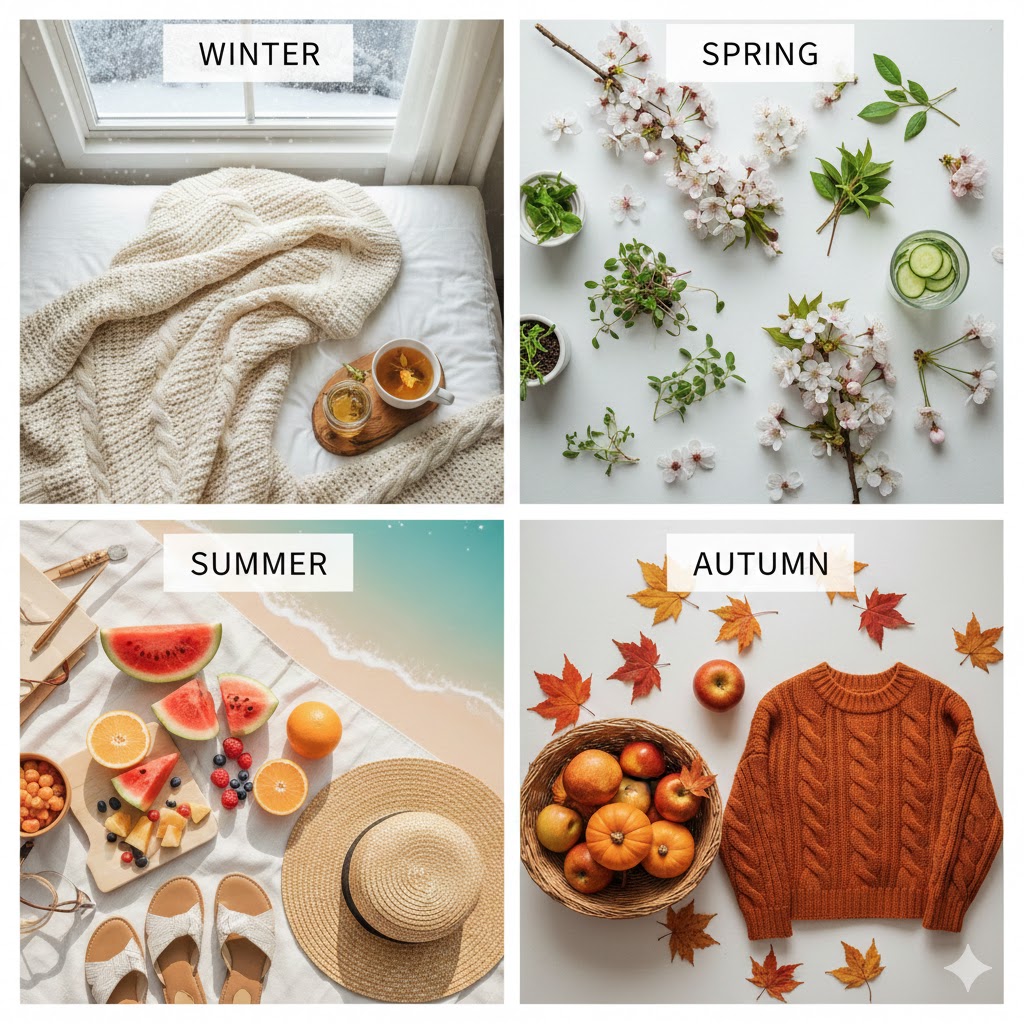
How Do Changing Seasons Affect Our Lifestyle? Here’s a breakdown of key lifestyle changes by season.
Winter (December-February)
- Increased sleep needs (30-60 minutes more)
- Preference for warming foods and hot beverages
- Indoor social gatherings
- Lower exercise intensity
- Earlier bedtimes
- More introspective activities
Spring (March-May)
- Natural energy boost
- Cravings for fresh, light foods
- Motivation for cleaning and organizing
- Return to outdoor activities
- New goal-setting
- Social expansion
Summer (June-August)
- Extended active hours
- Increased hydration needs
- Outdoor social activities
- Higher activity levels
- Lighter eating patterns
- Travel and exploration
Autumn (September-November)
- Re-establishment of routines
- Focus on completion and preparation
- Gradual shift to warming foods
- Reflective mood
- Balanced indoor/outdoor time
- Harvest mentality
How Do Changing Seasons Affect Our Lifestyle: How Winter Transforms Our Daily Routines
How Do Changing Seasons Affect Our Lifestyle? Winter provides a clear example of how our routines, energy, and behaviors shift in response to nature’s rhythms.

Winter’s shorter days and colder temperatures naturally slow our pace. Many people notice they want to sleep longer, stay indoors more, and crave warming, substantial foods. This isn’t laziness—it’s your body responding to seasonal signals that have guided human behavior for millennia.
During winter months, our lifestyle often shifts toward:
Indoor Activities: Cold weather drives us inside, changing how we spend leisure time. Reading, cooking, creative projects, and crafts replace outdoor adventures. This inward focus can be restorative when we embrace it rather than fight it. Many people rediscover hobbies they set aside during busier seasons.
Comfort-Seeking Behaviors: We reach for cozy blankets, hot beverages like chai tea and golden milk, and hearty meals. The body instinctively seeks warmth and comfort during darker months. Creating a warm, inviting home environment with soft lighting, comfortable textiles, and warming scents supports wellbeing during this season.
Social Gathering Patterns: Winter holidays bring people together indoors. We tend to host intimate dinners and small gatherings rather than outdoor barbecues. These close connections provide emotional warmth when the outside world feels cold. Game nights, movie marathons, and dinner parties become winter staples.
Sleep and Energy Levels: Reduced daylight affects our circadian rhythms. Many Americans find themselves naturally wanting more sleep in winter. Honoring this need rather than forcing summer energy levels helps maintain balance. Consider adjusting your schedule to allow for earlier bedtimes if possible.
Winter Wellness Wisdom: Creating rituals around winter comfort transforms the season from something to endure into something to savor. Lighting candles at dusk, preparing nourishing soups, establishing a soothing bedtime routine with warm baths—these practices honor winter’s invitation to slow down.
How Do Changing Seasons Affect Our Lifestyle: Spring’s Influence on Energy and Motivation
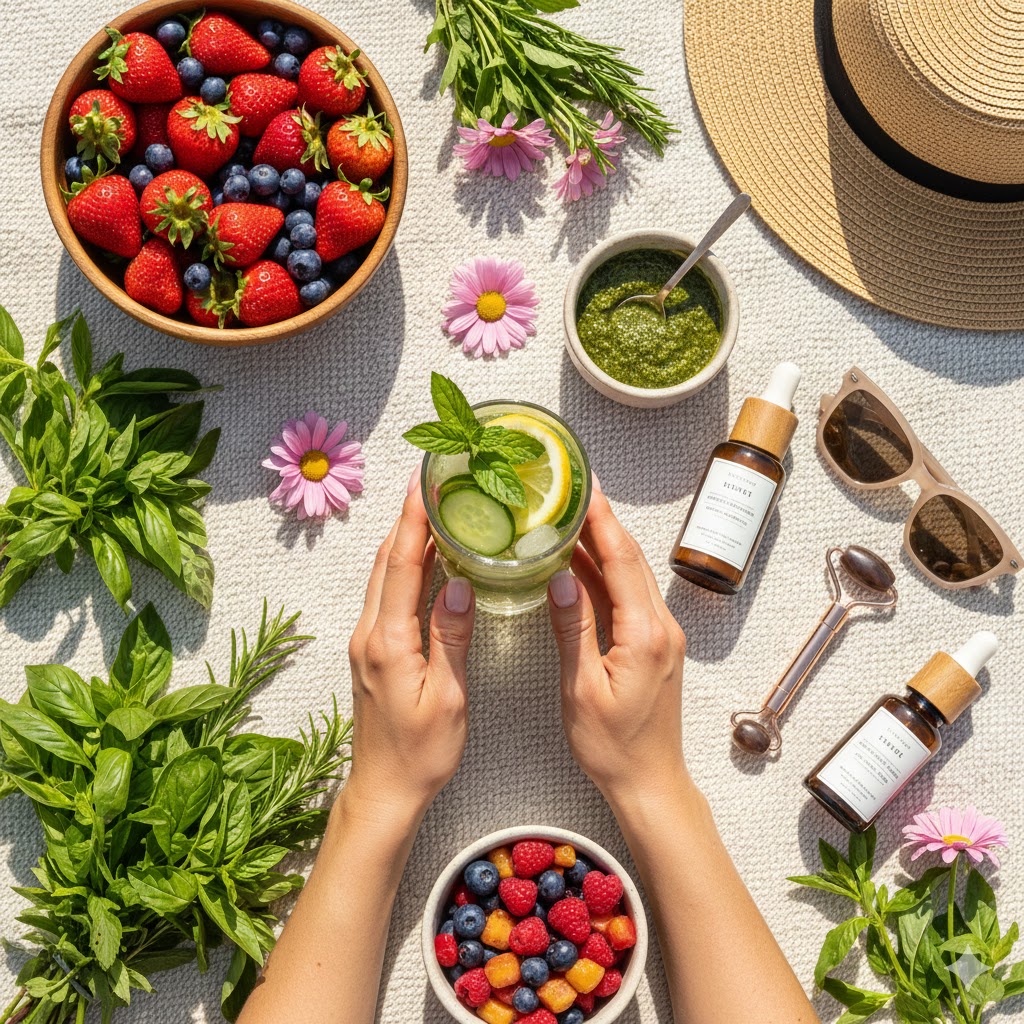
How Do Changing Seasons Affect Our Lifestyle? Summer shows how our routines expand with longer days, abundant energy, and social opportunities.
As days lengthen and temperatures rise, spring brings noticeable shifts in how we approach daily life. This season of renewal affects our lifestyle in powerful ways, often feeling like nature’s natural wake-up call.
Natural Increase in Activity: Longer daylight hours boost energy levels almost magically. People across the United States start exercising outdoors again, tackling home projects they postponed during winter, and spending more time in nature. This surge in motivation feels almost effortless compared to winter sluggishness. It’s as if the world—and we along with it—are waking up from hibernation.
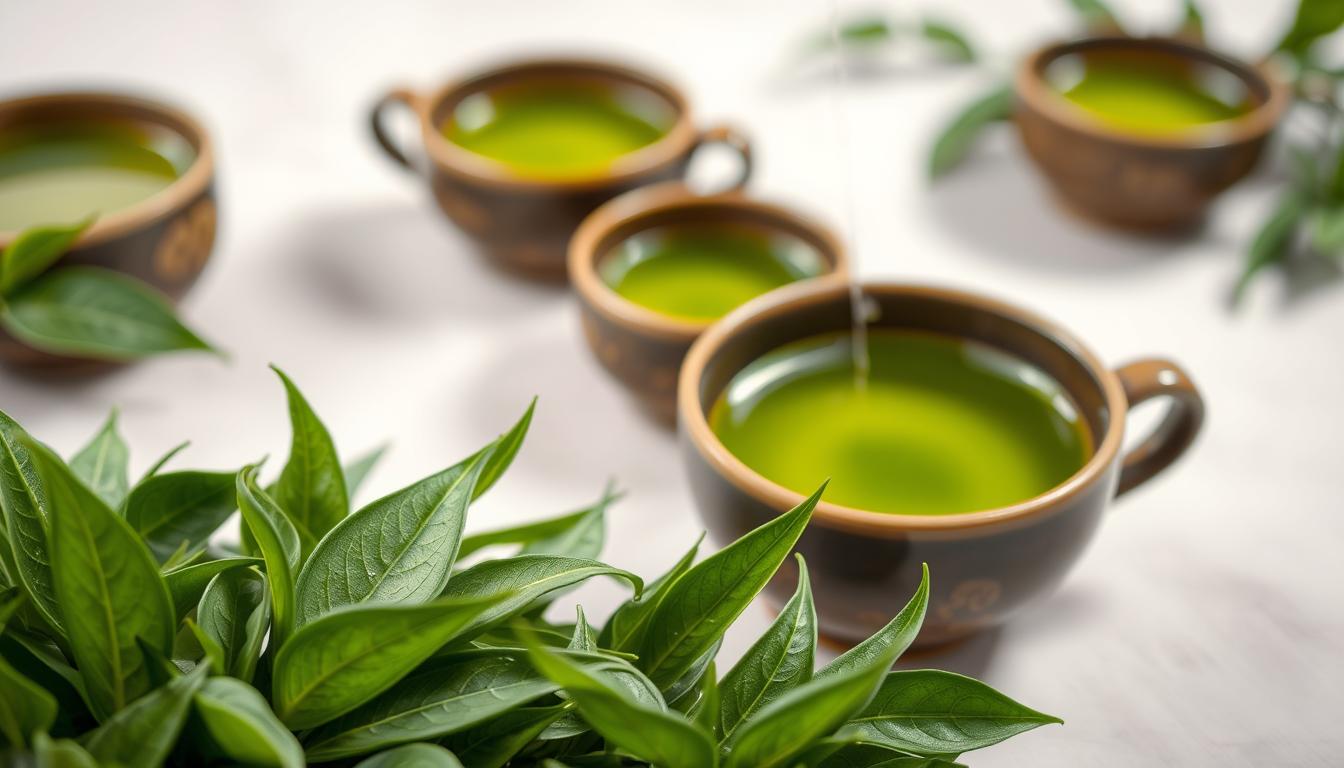
Dietary Shifts: Fresh produce becomes abundant, and our bodies naturally crave lighter foods. Salads, fresh herbs, and vibrant vegetables appeal more than heavy winter stews. This shift supports the body’s natural spring renewal processes. Light green teas become more appealing during this refreshing season, replacing the heavy winter comfort drinks.
Cleaning and Organizing: The term “spring cleaning” exists for good reason. Many people feel an almost irresistible compulsion to clear clutter, open windows, wash curtains, and refresh their living spaces. This physical clearing often accompanies mental and emotional renewal—it’s not just about clean counters, it’s about clearing space for new possibilities.
Social Expansion: As weather improves, social activities naturally move outdoors. Parks fill with people, farmers markets open for the season, and community events multiply. Our social circles expand after winter’s contraction. Coffee dates move to outdoor patios, friends suggest walks instead of phone calls, and spontaneous gatherings become easier to organize.
Spring Awakening Rituals: Embrace spring’s energy by creating morning routines that honor the season’s brightness. Opening windows first thing, enjoying breakfast outside, or taking morning walks helps sync your rhythm with nature’s awakening.
How Do Changing Seasons Affect Our Lifestyle: Summer Lifestyle, Abundance and Activity
Summer represents the peak of activity in nature’s cycle, and our lifestyles reflect this abundant energy. Across American communities, summer brings distinct changes to daily patterns that feel both liberating and sometimes overwhelming.
Extended Active Hours: Long daylight hours mean dramatically more time for activities. Evening walks at 8 PM, outdoor dining that stretches past sunset, and late-night stargazing become regular parts of life. Many people naturally sleep less in summer, energized by extended light exposure. The day feels expansive rather than compressed.
Food and Hydration Patterns: Fresh fruits, vegetables, and lighter meals dominate summer eating. Grilling outdoors, picnics in the park, and cold foods replace heavy cooking and hot meals. The body’s increased need for hydration changes beverage consumption patterns significantly. Refreshing iced versions of matcha and green tea become summer favorites, while heavy soups lose their appeal entirely.
Vacation and Travel: Summer vacation season affects work-life balance for many Americans. Whether planning cross-country road trips, beach visits, mountain retreats, or staycations exploring your own city, leisure time often increases. This break from routine can be deeply rejuvenating when approached mindfully rather than cramming every moment with activities.
Outdoor Living: Life expands beyond indoor walls in almost every way. Gardening flourishes, swimming pools open, hiking trails bustle with activity, and outdoor sports dominate weekends. This increased nature exposure benefits physical and mental wellbeing in countless ways—from vitamin D absorption to the mood-lifting effects of being surrounded by green spaces.
Summer Balance: While summer invites activity, building in rest periods prevents burnout. Creating shaded retreats, scheduling lazy mornings, and honoring your body’s signals about heat and exertion helps maintain summer’s joy without exhaustion.
How Do Changing Seasons Affect Our Lifestyle: Autumn’s Call for Balance and Preparation
Fall brings transition energy as nature prepares for winter’s rest. This seasonal shift affects our lifestyle through noticeable changes in priorities and activities, creating a beautiful bridge between summer’s expansion and winter’s contraction.
Routine Re-establishment: After summer’s looseness and vacation spontaneity, autumn invites structure back into our lives. School schedules resume, work patterns stabilize, and regular routines feel welcome again rather than restrictive. This return to consistency can feel surprisingly grounding after summer’s sometimes chaotic energy.
Harvest Mentality: Autumn historically represented harvest time—gathering and storing for winter—and we still feel this energy around completion and preparation. Many people tackle unfinished projects, organize finances for year-end, and set goals as the year winds down. There’s a sense of “finish what you started” that accompanies the falling leaves.
Comfort and Warmth-Seeking: As temperatures drop gradually, we begin layering clothes, enjoying warm beverages again, and making homes cozy for the season ahead. This gradual shift prepares us for winter’s deeper cold while still allowing outdoor enjoyment. Chai tea concentrate becomes a staple for autumn comfort, bridging the gap between summer’s cold drinks and winter’s need for warmth.
Reflection and Gratitude: Something about autumn’s beauty—those stunning changing leaves, crisp morning air, golden afternoon light—encourages contemplation. The approaching year’s end naturally prompts reflection on experiences and gratitude for abundance. Autumn invites us to assess, appreciate, and prepare.
Autumn Transition Practices: Create rituals that honor autumn’s unique energy. Morning walks to observe changing leaves, cooking seasonal foods, or journaling about the year’s experiences helps you move mindfully through this transitional season.
Sleep Patterns Across the Seasons
Few aspects of lifestyle change as dramatically with seasons as our sleep patterns. Understanding these shifts helps us support our body’s natural rhythms rather than fighting them, leading to better rest and more balanced energy.
Winter Sleep Needs: Winter’s darkness encourages longer sleep duration. Research shows many people naturally need 30-60 minutes more sleep during winter months. This isn’t oversleeping—it’s biological. Creating a sleep-friendly environment with blackout curtains, comfortable bedding, and cooler room temperatures supports quality rest. Consider this extra rest a gift rather than a problem.
Spring and Fall Transitions: Spring and fall represent transition periods where sleep needs adjust. Some people experience temporary disruptions during these shifts, especially around daylight saving time changes. Maintaining consistent bedtime routines—even when times shift—helps smooth these transitions. Your body adapts better with predictable wind-down rituals.
Summer Sleep Challenges: Summer’s extended daylight can make falling asleep challenging. The body produces less melatonin when exposed to late-evening light. Creating darkness in sleeping spaces becomes particularly important during summer months. Blackout curtains, eye masks, and limiting screen time before bed help counter summer’s bright evenings.
Honoring Seasonal Sleep Rhythms: Instead of forcing yourself to maintain identical sleep schedules year-round, allow natural flexibility. Going to bed earlier in winter and waking with natural light in summer aligns you with nature’s rhythms. Listen to your body’s wisdom about when it needs rest.
Dietary Changes Through the Seasons
What we eat and crave shifts naturally with seasonal changes, reflecting both food availability and our body’s changing needs throughout the year. These cravings aren’t random—they’re deeply connected to what our bodies need in each season.
Winter Nourishment: Cold weather increases appetite for warming, substantial foods. Soups, stews, root vegetables, and comfort foods provide both physical warmth and emotional satisfaction. The body may naturally want more calories during winter months—and that’s perfectly normal. Warming spiced beverages like golden milk tea support comfort during cold weather while providing nourishment.
Spring Renewal: As fresh greens emerge, many people crave lighter, cleansing foods almost instinctively. Leafy vegetables, sprouts, and bitter greens support the body’s natural spring renewal. This shift from heavy winter foods to lighter spring fare happens naturally for many people—trust those cravings for salads and fresh herbs. Your body knows what it needs.
Summer Freshness: Peak growing season brings abundant fresh produce, and suddenly raw vegetables, fresh fruits, and salads become irresistibly appealing. The body naturally wants less food overall and more hydration during hot months. Cold soups, fruit-infused water, and light meals feel right because they are right for summer.
Autumn Abundance: Fall harvest brings root vegetables, squashes, apples, and heartier produce. As temperatures cool, the body begins wanting more substantial meals again, gradually shifting toward winter eating patterns. This transition prepares us for winter’s heavier eating needs without shocking the system.
Eating with the Seasons: Shopping at farmers markets makes seasonal eating effortless and enjoyable. What’s abundant and affordable is usually what’s in season—and what your body craves. Trust your intuition about food choices as seasons change.
Seasonal Skincare Adaptations
Your skin experiences dramatic changes throughout the year, responding to temperature shifts, humidity levels, and varying sun exposure. Adjusting your skincare routine seasonally supports healthy, comfortable skin year-round—and it’s one of the most noticeable ways seasons affect our daily self-care.
Winter Skin Challenges: Cold air and indoor heating strip moisture from skin relentlessly. Many people experience dryness, flaking, and sensitivity during winter months that they never face in summer. Richer moisturizers, natural face washes that don’t strip oils, and nourishing oils like prickly pear oil provide extra protection. Turmeric-based cleansers can support skin during harsh winter conditions without irritation.
Spring Renewal: As weather warms, skin often needs lighter products that don’t feel heavy or greasy. Green tea face masks work beautifully for spring skin renewal, helping clear winter congestion and brighten complexion after months of indoor living.
Summer Protection: Sun exposure increases dramatically in summer, making protection essential for everyone. Lighter, non-greasy formulations feel more comfortable in heat and humidity. Natural ingredients support summer skin without the heavy feel of winter creams. Gentle tea tree face wash refreshes summer skin.
Autumn Transition: Fall skincare focuses on repairing summer sun damage and preparing for winter’s harshness. This transitional period is ideal for achieving glowing skin naturally through herbal solutions before winter arrives. Turmeric bar soap helps transition skin between seasons.
Hair Care Through the Seasons
Hair responds to seasonal changes just like skin, requiring different approaches throughout the year to maintain health and appearance. These adjustments don’t need to be complicated—simple shifts make significant differences.
Winter Hair Needs: Cold air and indoor heating create dryness, breakage, and that annoying static electricity. Homemade shampoo recipes with moisturizing ingredients help combat winter dryness without harsh chemicals. Deep conditioning treatments with argan oil masks provide essential winter nourishment, protecting hair from harsh conditions. Argan oil shampoo maintains moisture during dry months.
Spring Clarifying: After heavy winter products, spring calls for lighter cleansing that removes buildup without stripping. Apple cider vinegar rinses clarify hair and restore natural shine as weather warms. This seasonal reset helps hair feel fresh and bouncy again.
Summer Hair Protection: Sun, chlorine, saltwater, and increased washing challenge summer hair in unique ways. Rose water sprays provide light moisture and protection without weighing hair down. Natural oils like olive oil protect hair from summer environmental stress. Natural shampoo and conditioner work gently during frequent summer washing.
Autumn Restoration: Fall focuses on repairing summer damage and strengthening hair before winter’s challenges. Rosemary water treatments support hair health during this transition beautifully. Strawberry mint hair oils provide autumn nourishment with a seasonal scent.
Body Care Seasonal Adjustments
Full-body care needs shift dramatically with seasons, requiring different products and approaches throughout the year. What works perfectly in summer can feel inadequate in winter—and vice versa.
Winter Body Nourishment: Dry winter air affects all skin, not just your face. Rich body butter provides intensive moisture when cold weather strips natural oils from skin. Shea butter body wash cleanses without over-drying winter skin, maintaining your skin’s protective barrier. Organic castor oil can enhance winter body care routines with deep nourishment.
Spring Body Renewal: Warmer weather invites lighter body care that feels refreshing rather than heavy. Body scrubs exfoliate winter’s accumulated dry skin, revealing fresh spring skin underneath. This seasonal transition is perfect for refreshing body care routines and trying new approaches.
Summer Body Cooling: Light, cooling body care feels best in summer heat without greasy residue. Turmeric oil can be adapted for summer use with lighter carrier oils, supporting skin while feeling comfortable in warm weather.
Autumn Body Protection: Fall body care prepares skin for winter’s challenges ahead. Gradually transitioning to richer formulations helps skin adapt without shock as temperatures drop. This prevents the dry, tight feeling many people experience when cold weather arrives suddenly.
Exercise and Movement Patterns
How we move our bodies changes significantly with the seasons, influenced by weather, daylight, and natural energy levels. Understanding these patterns helps create realistic, sustainable fitness routines year-round.
Outdoor Exercise Seasons: Outdoor exercise flourishes during moderate weather months. Spring and fall see increased participation in running, cycling, hiking, and outdoor sports across the United States. These activities feel more enjoyable when temperatures are comfortable—not too hot, not too cold—and nature is at its most beautiful. Morning runs through spring blossoms or autumn leaves feel effortless in ways summer humidity runs never do.
Summer Exercise Adaptations: Summer heat often shifts exercise timing to early morning or evening hours when temperatures drop. Indoor air-conditioned gyms become more attractive during peak heat—there’s no shame in choosing comfort and safety. Water-based activities like swimming, stand-up paddleboarding, or aqua aerobics gain natural appeal, providing exercise while cooling you down.
Winter Movement Solutions: Winter weather challenges outdoor exercise routines for many Americans, especially in northern states. Many people shift to indoor activities like gym workouts, yoga classes, dance classes, or home exercise programs. Others embrace winter sports like skiing, snowshoeing, or ice skating. The key is finding movement options that work with seasonal conditions rather than against them.
Energy-Appropriate Exercise: Recognizing that energy levels naturally fluctuate with seasons helps set realistic fitness expectations. High-intensity training might feel great in spring and summer when energy peaks, while gentler, restorative movement suits winter better for many people. Yoga, walking, and stretching maintain fitness without depleting already lower winter energy.
Creating Seasonal Fitness Plans: Instead of fighting seasonal changes, build them into your fitness approach. Have a summer routine, a winter routine, and transition plans for spring and fall. This flexibility prevents the guilt and frustration of abandoned fitness goals.
Social Life and Community Connection
Seasonal changes shape not just what we do but how we connect with others. Understanding these patterns helps us maintain meaningful relationships year-round without forcing unnatural social rhythms.
Summer Social Expansion: Summer’s outdoor-friendly weather encourages large gatherings, neighborhood barbecues, and community events naturally. Social calendars fill quickly with festivals, outdoor concerts, beach trips, and park gatherings. This season naturally expands our social circles and increases casual connections. You might chat with neighbors more, strike up conversations at farmers markets, or reconnect with people you haven’t seen all winter.
Winter Social Intimacy: Winter draws social activities indoors and often makes them more intimate and meaningful. Dinner parties replace picnics. Small group gatherings of close friends feel more appealing than large crowds. This seasonal contraction isn’t antisocial or depressing—it’s a natural response to environmental conditions that can actually deepen relationships through quality time together.
Spring Social Reawakening: As weather improves, social activities naturally move outdoors again, and the energy feels almost euphoric. Meeting friends for walks, having coffee on patios, attending outdoor events—spring socializing carries a sense of celebration after winter’s isolation.
Autumn Social Balance: Fall offers balance between indoor and outdoor socializing. These transitional months provide flexibility in how we gather and connect with community. Harvest festivals, apple picking, and seasonal celebrations blend both indoor and outdoor elements beautifully.
Honoring Social Seasons: Give yourself permission to socialize differently in different seasons. Winter’s quieter social calendar isn’t failure—it’s wisdom. Summer’s busy social life doesn’t have to extend year-round.
Mental and Emotional Seasonal Patterns
Beyond physical changes, seasons affect our emotional landscape and mental states in significant ways. Acknowledging these patterns helps us respond to them with awareness and self-compassion rather than judgment.
Spring Emotional Awakening: Spring often brings feelings of hope, renewal, and motivation that feel almost magical. Many people set new goals or start fresh projects as nature awakens around them. This forward-looking energy can be harnessed productively—spring is genuinely a great time for new beginnings. The increased light and warmer weather naturally lift mood for most people.
Summer Joy and Overwhelm: Summer’s abundance and activity can feel joyful but sometimes overwhelming. The pressure to “make the most” of good weather affects many Americans—social media doesn’t help with its endless parade of beach photos and adventure posts. Finding balance between activity and rest remains important even during energetic seasons. Remember that rest is also “making the most” of summer.
Autumn Melancholy and Beauty: Autumn’s transitional nature brings both stunning beauty and sometimes melancholy for people sensitive to change. The approaching winter and shortening days can trigger reflective or even sad moods. Creating comforting routines helps ease this transition. The bittersweet feeling of autumn is valid and natural—you’re not imagining it.
Winter Mood Shifts: Winter affects mood more dramatically for many people than other seasons. Reduced sunlight impacts brain chemistry, leading to lower energy and sometimes sadness or difficulty concentrating. Understanding this as a normal seasonal response rather than personal failing helps people seek appropriate support. Some people find light therapy helpful, others benefit from vitamin D, many need simply to accept winter’s slower pace.
Emotional Self-Compassion: Be gentle with yourself about seasonal mood shifts. They’re real, they’re normal, and they’re temporary. Working with your emotional seasons rather than fighting them makes the experience more manageable.
Natural Wellness Support Through Seasons
Supporting your body through seasonal transitions can be enhanced with natural approaches that align with each season’s unique needs.
Winter Wellness: Focus on warming practices and immune support. Essential oils like sweet orange can uplift mood during darker months, while warming teas provide comfort and hydration.
Spring Renewal: This season calls for gentle cleansing and renewal. Light herbal teas and fresh plant-based foods support the body’s natural spring detoxification. Blue passion flower can support relaxation during this energizing but sometimes overwhelming season.
Summer Vitality: Cooling herbs and adequate hydration become priorities. Light, refreshing herbal drinks help maintain energy without overheating. Natural skincare with geranium oil can support summer skin needs.
Autumn Balance: As we transition to cooler weather, warming spices and grounding herbs help ease the shift. Propolis spray can support throat health as seasons change and indoor heating begins.
Creating Seasonal Rituals and Traditions
Intentional seasonal rituals help us mark time’s passage and stay connected to natural cycles. These practices don’t need to be elaborate or Instagram-worthy—simple acknowledgments of seasonal shifts create meaningful structure and deepen your connection to the year’s rhythm.
Solstice and Equinox Celebrations: Celebrating the four major astronomical turning points—spring equinox, summer solstice, autumn equinox, winter solstice—connects us to ancient traditions and natural cycles. These moments of transition offer natural opportunities for reflection and intention-setting. Light a candle, take a nature walk, or simply acknowledge the shift mindfully.
Seasonal Cooking Traditions: Using fresh, appropriate foods while creating comfort and connection makes meals meaningful. Making soup when autumn arrives, grilling throughout summer, or baking in winter becomes ritual when approached consciously. The first pumpkin recipe of fall or first lemonade of summer marks time in a satisfying way.
Nature-Based Activities: Watching for first blooms in spring, collecting autumn leaves, observing winter birds, or swimming on the summer solstice helps us stay attuned to our environment’s changes. These simple practices cost nothing but enrich our experience of each season immensely.
Personal Seasonal Markers: Create your own traditions—first outdoor coffee of spring, last beach day of summer, annual fall hike to see foliage, winter movie marathon. These personal rituals give shape to the year and create memories that accumulate meaning over time.
Adapting to Your Local Climate
How seasons affect lifestyle varies significantly across the United States. Someone in Maine experiences very different seasonal shifts than someone in Southern California or Arizona. Understanding your specific regional reality matters more than following generic seasonal advice.
Northern States Experience: States with pronounced seasons see dramatic lifestyle changes between summer and winter. Indoor heating becomes a significant expense, winter sports culture flourishes, and seasonal wardrobe changes are substantial. Spring arrives late but feels glorious, and fall foliage attracts tourists from around the world.
Southern States Reality: Southern states have milder winters but intense summers that drive people indoors during peak heat just as northern winters do. Air conditioning costs and heat management become primary concerns. The concept of “winter” differs dramatically—some southern residents never need heavy coats.
Western Diversity: Western states vary from coastal moderate climates to mountain extremes to desert conditions. Coastal California has minimal seasonal variation, while Colorado mountain towns experience dramatic seasonal shifts. Desert regions have intense summers and surprisingly cold winters.
Coastal vs Inland: Coastal areas moderate temperature extremes, while inland regions experience more dramatic seasonal shifts. Humidity levels also vary dramatically by region, affecting how temperature feels and impacts your body.
Know Your Climate: Understanding your local seasonal patterns helps you adapt appropriately rather than following advice meant for different climates. A “winter skincare routine” looks different in Seattle than Phoenix.
Helping Children Navigate Seasonal Changes
Kids often feel seasonal shifts intensely but lack experience and vocabulary to process these changes. Supporting children through seasonal transitions builds resilience, awareness, and a healthy relationship with nature’s cycles that will serve them throughout life.
Maintaining Consistent Routines: Consistency during seasonal transitions provides security for children while allowing natural adjustments. Bedtimes might shift slightly with daylight changes, but overall structure remains stable. This balance between flexibility and predictability helps children feel secure during change.
Outdoor Time Year-Round: Outdoor time in every season helps children connect with nature’s cycles directly. Playing in snow, jumping in autumn leaves, splashing in spring puddles, or summer water play creates positive seasonal associations. These experiences teach children that every season offers unique joys rather than labeling some seasons “good” and others “bad.”
Discussing Seasonal Changes: Talking about seasonal changes openly helps children understand that energy level fluctuations and mood shifts are normal responses to environmental changes. This awareness builds emotional intelligence. “Everyone feels more sleepy in winter when it’s dark earlier” normalizes what a child might otherwise worry about.
Seasonal Activities Together: Creating family seasonal traditions—apple picking in fall, spring wildflower hunts, summer camping trips, winter baking days—gives children positive frameworks for understanding and anticipating seasonal changes.
Wellness Practices for Seasonal Transitions
The shift between seasons often proves more challenging than being fully in any single season. Those in-between weeks when weather fluctuates wildly and your body doesn’t quite know what to expect require extra care and patience.
Gradual Adjustments: Gradual adjustments work better than sudden changes when seasons shift. As seasons change, slowly modify routines rather than making abrupt alterations. This allows your body to adapt naturally. Don’t switch from heavy winter skincare to light summer products overnight—transition through medium-weight options.
Extra Rest During Transitions: Many people need additional sleep during the weeks when seasons change, particularly around solstices and equinoxes. Honor this need rather than pushing through. Your body is adjusting to new light patterns, temperature ranges, and energy demands.
Hydration and Nutrition: Staying hydrated and maintaining balanced nutrition helps your body manage transition stress effectively. Your body may feel more challenged during seasonal shifts —you might notice you’re more prone to colds during seasonal changes. Supportive nutrition matters during these vulnerable periods.
Gentle Movement: Gentle movement like walking, stretching, or yoga helps the body process seasonal changes without adding stress through intense exercise. Save ambitious fitness goals for when you’re fully settled into a season.
The Role of Light in Seasonal Lifestyle
Perhaps no factor influences how seasons affect our lifestyle more profoundly than changing light levels. Daylight duration and intensity shape our biology, mood, energy, and behavior in ways we’re only beginning to fully understand.
Maximizing Natural Light: Maximizing natural light exposure during waking hours supports healthy circadian rhythms year-round. Opening curtains first thing in the morning, spending time outdoors when possible, and positioning workspaces near windows helps maintain energy and mood. Morning light exposure particularly influences your entire day’s energy and evening sleepiness.
Compensating for Dark Months: During darker months, creating warm, adequate indoor lighting compensates somewhat for reduced natural light. Many Americans find that increasing indoor lighting in autumn helps ease the transition to winter. Light therapy lamps can help some people, though they work best when used correctly and consistently.
Managing Evening Light: Managing evening light exposure becomes important in summer when late sunsets can interfere with sleep. Using dimmer switches, reducing screen time before bed, and creating evening routines that signal your body it’s time to wind down supports healthy sleep despite extended daylight.
Light Awareness: Simply becoming aware of how light affects you personally—when you feel most energized, how different light levels impact your mood—helps you work with light patterns rather than feeling victimized by them.
Sustainable Seasonal Living
Aligning lifestyle with seasons supports both personal wellbeing and environmental sustainability beautifully. This approach reduces energy consumption, supports local communities, and feels more natural and satisfying than trying to maintain summer patterns year-round.
Seasonal Eating Benefits: Eating seasonally reduces transportation needs and supports local agriculture significantly. Choosing foods that grow naturally in your region during each season provides both better nutrition and environmental benefits. Food that travels less is fresher, tastes better, and has a smaller carbon footprint.
Temperature Adjustments: Adjusting home temperature expectations seasonally reduces energy use substantially. Accepting slightly cooler homes in winter (wear a sweater!) and warmer homes in summer (use fans!), within comfortable ranges, significantly decreases heating and cooling costs. This isn’t about suffering—it’s about realistic adaptation.
Natural Light Usage: Using natural light whenever possible and adjusting artificial lighting seasonally reduces electricity consumption while supporting circadian health. Opening curtains instead of turning on lights, sitting near windows for reading or work—small changes accumulate.
Seasonal Shopping: Shopping for clothing, home goods, and foods seasonally often saves money while supporting sustainable practices. End-of-season sales make this economically advantageous too.
Finding Your Seasonal Balance

While general patterns exist, each person experiences seasonal changes uniquely. Discovering your personal seasonal needs requires attention, experimentation, and honest self-reflection over time.
Seasonal Journaling: Keeping a simple journal noting energy levels, mood, and preferences through different seasons reveals your unique patterns. This awareness allows you to plan ahead and adjust lifestyle choices proactively. You might discover you’re a true spring person who feels best during renewal season, or a summer enthusiast who struggles each fall, or a winter lover who finds summer exhausting.
Respecting Your Signals: Respecting your body’s signals rather than forcing yourself to maintain constant energy and activity year-round supports long-term wellbeing and prevents burnout. Some seasons naturally invite more rest, while others support increased activity. Neither is better or worse—they’re different, and accepting this difference reduces struggle.
Building Flexibility: Building flexibility into routines allows natural seasonal adjustments without completely disrupting life structure. Having both active and restful options available means you can honor what each season requires. Maybe you have a summer hiking group and a winter book club, allowing you to maintain social connection while adapting to seasonal energies.
Self-Compassion: Be patient and compassionate with yourself as you navigate seasonal changes. They affect everyone, and struggling with transitions doesn’t mean something’s wrong with you. It means you’re human, responsive to your environment, and connected to natural rhythms.
Frequently Asked Questions
Why do I feel more tired in winter?
Reduced daylight affects melatonin production and circadian rhythms, naturally increasing sleepiness in winter months. Shorter days mean less light exposure, which signals your body to produce sleep hormones earlier and for longer periods. This is a completely normal biological response that humans have experienced for millennia, not a problem requiring correction. Honoring your body’s need for more rest in winter supports overall wellbeing rather than fighting against natural rhythms. Consider it nature’s invitation to slow down and restore energy for spring’s renewal.
How can I maintain exercise motivation through seasonal changes?
Adapt your activities to match seasonal conditions rather than fighting them or feeling guilty about changes. Choose indoor options during extreme weather while embracing outdoor activities when conditions are pleasant. Adjusting intensity expectations seasonally helps maintain consistency without burnout—gentle yoga in winter and vigorous hiking in summer both count as valuable movement. Remember that gentler movement in challenging seasons is still beneficial and actually wiser than forcing summer intensity year-round. The goal is sustainable lifetime fitness, not forcing yourself to run in a blizzard.
Is it normal to eat more in winter?
Yes, increased appetite during cold months is a completely natural response your body has developed over thousands of years. Your body works harder to maintain temperature in cold weather and historically needed extra calories during winter when food was scarce. While modern life provides constant food access, these ancient patterns remain embedded in our biology. Focus on nourishing, warming foods rather than restricting natural hunger cues—your body knows what it needs.
How do seasons affect sleep needs?
Most people naturally need more sleep during darkerContinuer21:12winter months and slightly less during bright summer, reflecting our biological programming to rest more when daylight is limited. Individual needs vary significantly, but honoring these natural fluctuations rather than forcing consistent sleep schedules year-round often improves rest quality dramatically. Think of it as working with your body rather than against it—fighting seasonal sleep needs creates unnecessary stress and fatigue.
Why do I feel more social in summer?
Warmer weather and longer days naturally encourage outdoor activities and social gathering in ways winter simply doesn’t allow. Pleasant conditions make connecting with others easier and more enjoyable—no one wants to stand outside chatting when it’s freezing. Additionally, summer’s cultural association with vacation and leisure creates more opportunities for social connection as schedules relax. This seasonal variation in social energy is completely normal and healthy rather than something requiring correction.
Should I change my diet with the seasons?
Your body naturally craves different foods as seasons change, reflecting both historical food availability patterns and actual physiological needs that shift throughout the year. Following these intuitive cravings while choosing whole, nourishing foods supports health beautifully. Seasonal eating also provides natural variety, better nutrition from fresher foods, and environmental benefits through supporting local agriculture. Trust your body’s wisdom—those winter soup cravings and summer salad desires aren’t random.
How can I help my family adjust to seasonal changes?
Open communication about how different seasons feel helps everyone understand their experiences are normal rather than problematic. Creating seasonal rituals and traditions provides structure and meaning while making transitions feel purposeful rather than disruptive. Allowing flexibility in routines while maintaining core stability supports adjustment. Remember that each family member might experience seasonal shifts differently—what energizes one person might exhaust another.
Do seasons affect work productivity?
Many people notice productivity variations through the year, with peak performance often occurring in moderate weather seasons like spring and fall when temperatures are comfortable and energy feels balanced. Acknowledging these natural fluctuations and adjusting expectations accordingly reduces stress and improves actual outcomes. When possible, scheduling demanding projects during personally optimal seasons improves both the process and the results. Fighting natural productivity rhythms creates frustration.
How do I deal with seasonal mood changes?
Recognize that seasonal mood shifts are real, normal, and temporary rather than personal failures or weaknesses. Some strategies that help many people include: maximizing natural light exposure especially in winter, maintaining regular routines that provide structure, staying connected with others even when you don’t feel like it, gentle movement and outdoor time in all seasons, and being patient and compassionate with yourself. If seasonal mood changes significantly impact your daily life, talking with a supportive person can provide valuable perspective and coping strategies.
What are the best ways to transition between seasons?
Gradual adjustments work best—slowly shift your skincare, clothing, food choices, sleep schedule, and activities rather than making abrupt changes. Extra rest during transitional weeks supports your body as it adapts to new conditions. Stay hydrated and maintain nourishing food choices to support your immune system during vulnerable transition periods. Create small rituals that mark seasonal changes, helping you move mindfully rather than feeling caught off-guard by weather shifts.
Embracing Natural Rhythms for Year-Round Wellness
How Do Changing Seasons Affect Our Lifestyle? This question invites us to observe and respect the natural cycles that shape our daily habits and energy.
Learning how changing seasons affect our lifestyle opens opportunities to live in greater harmony with nature’s wisdom and our own bodies’ needs. Rather than fighting against seasonal shifts or trying to maintain constant energy and behavior year-round, we can embrace each season’s unique qualities and gifts.
This doesn’t mean becoming passive or letting weather dictate every choice. Instead, it means recognizing that our bodies and minds evolved in response to seasonal cycles that still influence us profoundly today, even in our climate-controlled modern world. Working with these patterns rather than against them supports physical health, emotional wellbeing, and life satisfaction in ways that feel natural and sustainable.
As you move through the seasons ahead, pay gentle attention to your own patterns and needs without judgment. Notice what each season invites you to explore, release, or embrace. Create personal rituals that mark transitions and honor each season’s gifts—these don’t need to be elaborate or perfect, just meaningful to you.
The wisdom of living seasonally isn’t about perfection, complex routines, or following rigid rules. It’s about awareness, adaptation, and appreciation for the beautiful cycle that connects us to the earth and to our own deepest nature. When we honor how changing seasons affect our lifestyle, we discover a more sustainable, satisfying way of living that nourishes body, mind, and spirit throughout the entire year.
Remember that every season brings both challenges and gifts. Winter’s darkness also brings rest and renewal. Summer’s heat also brings abundance and joy. Spring’s unpredictability also brings hope and new beginnings. Autumn’s melancholy also brings beauty and harvest. None are better or worse—they’re different, and each teaches us something valuable about balance, adaptation, and being human.
Your relationship with seasons is personal and unique. What works for your neighbor might not work for you. What you read online might not match your experience. Trust yourself, experiment kindly, and remember that adapting to seasons is a skill you develop over years, not something you master overnight. Each year’s cycle teaches you more about yourself and your needs.
Welcome each season as it arrives, with all its imperfections and possibilities. Your life becomes richer, deeper, and more connected when you stop fighting the rhythm of changing seasons and instead learn to dance with it.
Written by Doo & Rita
Doo and Rita are sisters, herbal wellness enthusiasts, and DIY beauty lovers who explore plant-based ingredients through hands-on experiments. We share tips and recipes we personally test, always with a gentle, nature-first approach.
Disclaimer: The information provided in this article is for educational and lifestyle purposes only and is not intended as medical advice. It does not diagnose, treat, cure, or prevent any disease. Always listen to your body and consult a qualified healthcare professional for personal health concerns.