
Chai Spices Guide: 7 Essential Ingredients + Easy DIY Blend Recipe
Last update: February 2026
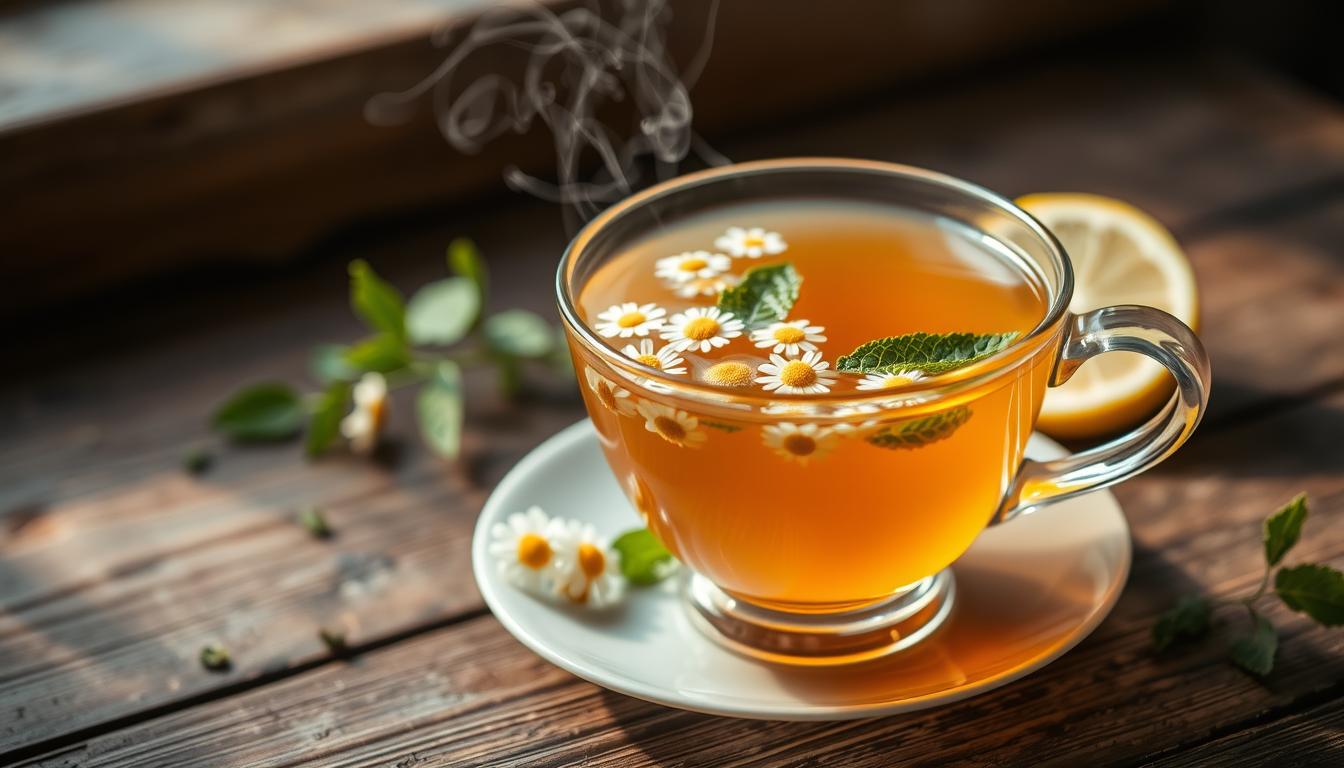
You’ve probably enjoyed the warm, spicy taste of chai spices in your tea or recipes. This aromatic blend is a cornerstone of traditional Indian beverages and one of the most versatile additions to any kitchen. But what exactly are chai spices, and how do you use them to their full potential?
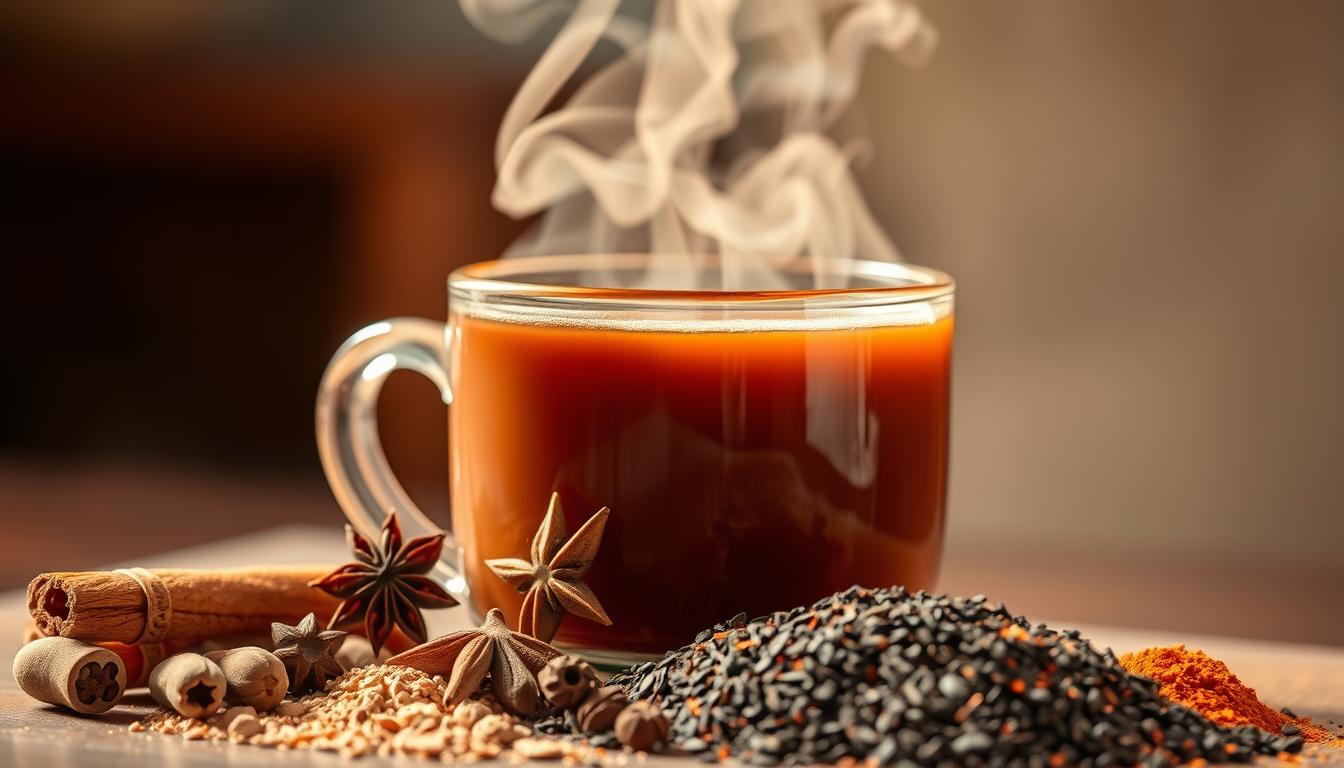
Chai spices — also called chai tea spice mix or masala chai blend — are a combination of warming aromatics including cardamom, cinnamon, ginger, cloves, and black pepper. Together, they create the signature flavor that defines spiced chai: rich, complex, and comforting. Whether you want to brew a traditional cup, create a seasonal pumpkin spice chai latte, or add aromatic depth to your baked goods, this complete guide covers everything you need to know.
⚡ Quick Answer: What Are Chai Spices?
Chai spices are a blend of five core aromatics used to make masala chai: cardamom, cinnamon, ginger, cloves, and black pepper. Together they create a warm, sweet, and spicy flavor. Secondary spices like nutmeg, star anise, and allspice are added in regional or seasonal variations such as the pumpkin spice chai latte. The blend can be used in tea, baked goods, savory dishes, and flavored lattes.
Table of Contents
The Rich History of Chai Spices
Spiced chai, known in India as masala chai, has roots stretching back thousands of years. Its history is inseparable from India’s rich culinary traditions and ancient spice trade routes that connected continents long before the modern world.
Origins in Ancient India
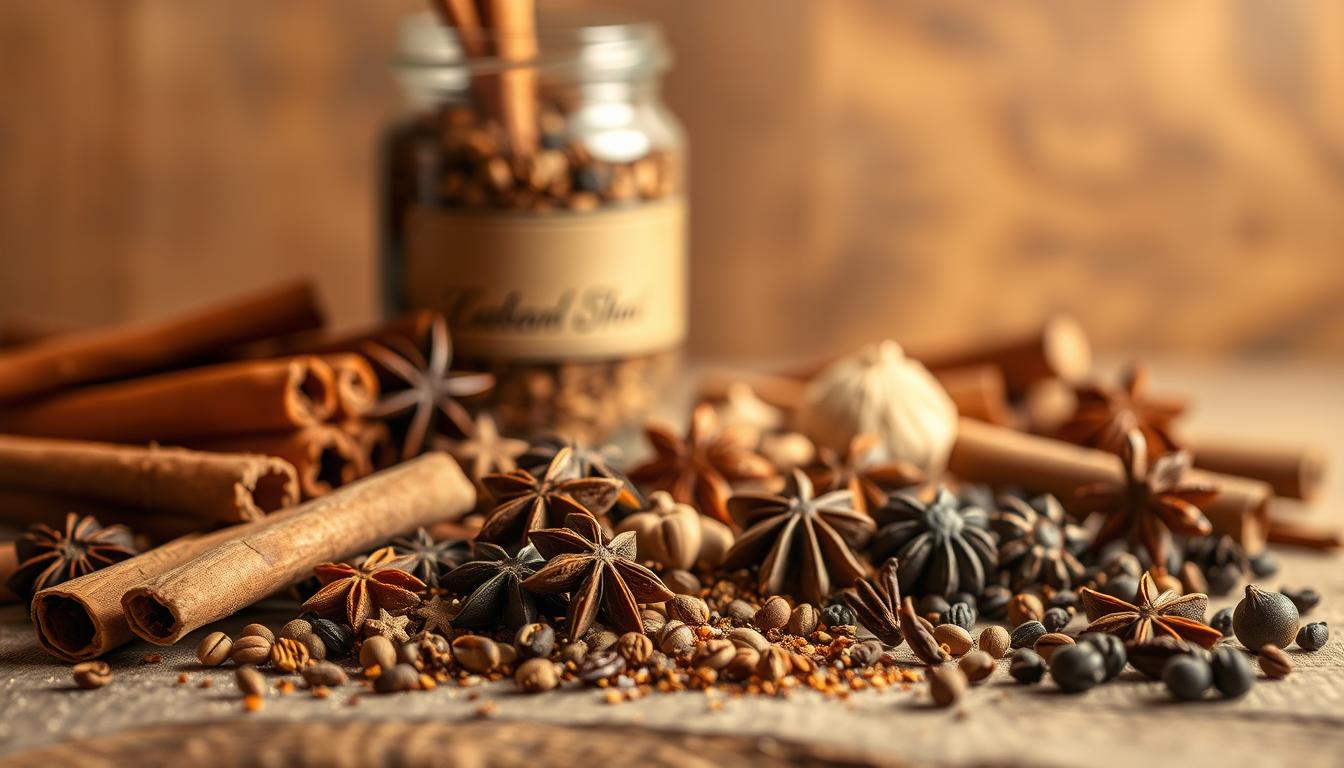
The story of the chai tea spice mix begins over 5,000 years ago in ancient India. Long before tea leaves were added, aromatic spices were combined into warming beverages deeply woven into daily life and culinary tradition. These combinations were passed down through generations and eventually merged with black tea to create what we now know as masala chai.
Cardamom, cinnamon, ginger, and cloves formed the original core of chai spice ingredients — a combination that has remained remarkably stable across millennia, a testament to how perfectly balanced these flavors are together. These same spices have long been valued in herbal wellness traditions around the world for their aromatic and culinary properties.
| Spice | Traditional Use |
|---|---|
| Cardamom | Aromatic spice with a sweet and refreshing flavor often used in traditional chai blends |
| Cinnamon | Warm, sweet spice that adds a cozy flavor to teas and baked goods |
| Ginger | Spicy and aromatic root that adds depth and warmth to chai and recipes |
Evolution of Chai in Modern Culture
Global trade and cultural exchange transformed the humble chai spice blend into a worldwide phenomenon. Today, masala chai is enjoyed on every continent — in its traditional form, as an iced drink, or as the base for popular seasonal creations like the pumpkin spice chai latte, which layers autumnal spices such as nutmeg and allspice over the classic blend.
The versatility of the chai tea spice mix means it adapts effortlessly to local tastes while preserving its aromatic soul. Whether served hot on a winter morning or poured over ice in summer, spiced chai remains one of the world’s most beloved drinks. For a deeper dive into the traditional preparation, explore our guide on the easy chai tea concentrate recipe and learn about the full benefits of chai tea.
Essential Chai Spices and Their Flavor Profiles
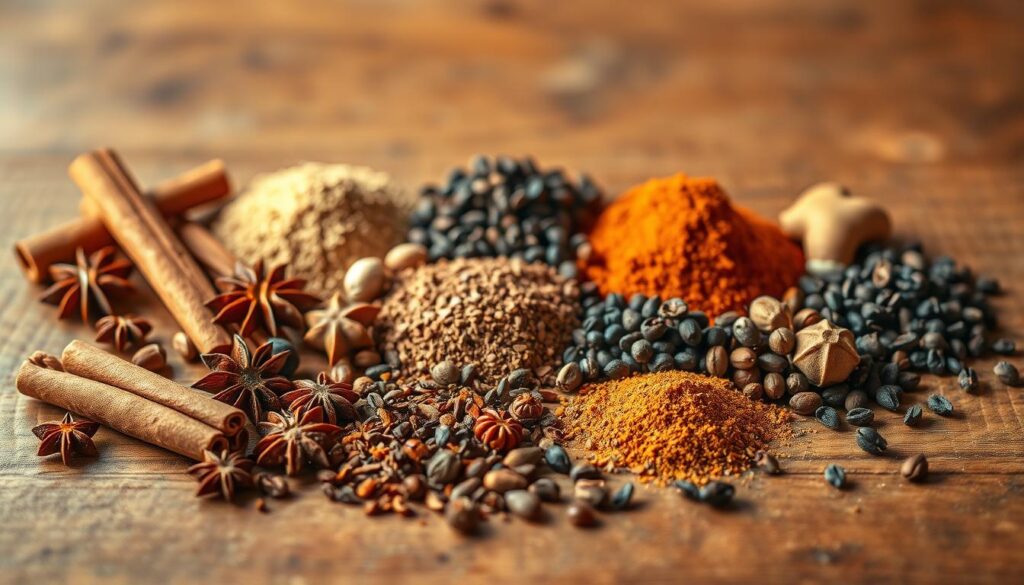
What is in chai spice? The answer lies in a carefully balanced combination of aromatics. A traditional chai seasoning typically includes five primary spices, each contributing a distinct layer to the overall flavor. Understanding what each one brings to the blend helps you craft a version that is perfectly tailored to your taste.
Primary Chai Spice Ingredients
The core chai spice ingredients are consistent across most traditional recipes. These five spices work in harmony to create the layered, warming taste profile that defines spiced chai.
Cardamom: The Soul of Chai
Cardamom is the defining spice in any authentic chai tea spice mix. Its flavor is sweet and floral with a cooling, almost minty finish — simultaneously soothing and invigorating. Without cardamom, a chai blend simply isn’t chai. It is most often used ground, though lightly cracked pods add even more aroma when simmering whole in milk.
Cinnamon: The Warming Base
Cinnamon provides the sweet, woody backbone of the blend. It adds a gentle warmth that makes each sip feel cozy and inviting, while also balancing the sharper notes from ginger and black pepper. Ceylon cinnamon offers a lighter, more delicate sweetness; cassia cinnamon gives a bolder, more intense flavor. Beyond drinks, cinnamon is also a popular ingredient in natural skincare routines seeking warm, aromatic botanicals.
Ginger: The Spicy Kick
Ginger is what gives spice chai its characteristic warmth and brightness. It cuts through the richness of milk with a lively, zesty bite. Dried ground ginger is most common in spice blends, delivering concentrated and consistent heat. Fresh ginger can also be used when brewing a pot from scratch for a sharper, more vibrant result. Ginger’s versatility extends well beyond the kitchen — it is also a popular ingredient in natural body care oils and DIY recipes.
Cloves: The Aromatic Punch
Cloves add intensity and depth to the blend. Their pungent, slightly sweet flavor is powerful — a little goes a long way. Cloves are essential to the complexity of any authentic chai tea spice mix, adding a rich, almost resinous quality that lingers pleasantly in the finish.
Black Pepper: The Surprising Element
Black pepper is the ingredient that surprises most people when they discover what spices are in chai spice. It adds a subtle sharpness that cuts through the sweetness and richness of the other spices, keeping the blend dynamic and preventing it from becoming cloying. It is an essential but often overlooked component of traditional masala chai.
Secondary and Regional Variations
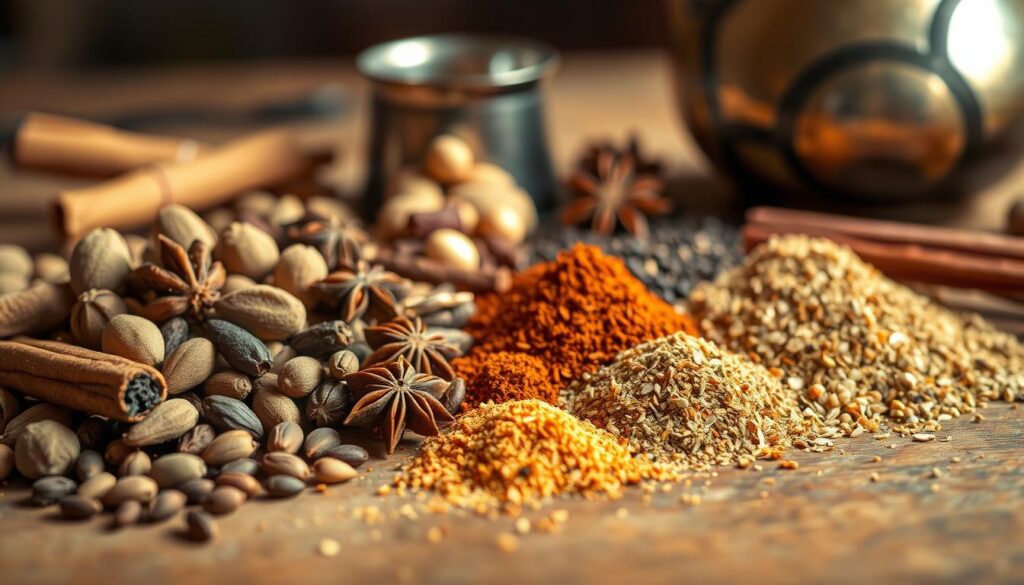
Beyond the five core spices, many regional and seasonal variations add their own character to this chai spices guide. These secondary ingredients can shift a standard blend toward something uniquely your own — or reflect a specific cultural tradition.
Star Anise and Fennel
Star anise and fennel seeds share a sweet, licorice-like quality that softens the overall blend and adds a pleasant aromatic depth. Star anise is popular in South Indian chai variations, while fennel is common in Kashmiri-style blends. Both are excellent additions if you prefer a slightly sweeter, more fragrant result.
Nutmeg and Allspice
Nutmeg and allspice bring warmth and a subtle earthiness that pair especially well in a pumpkin spice chai latte blend. Both spices add complexity and a cozy autumnal quality. Nutmeg in particular deepens the sweetness of cinnamon while keeping the blend well-rounded. Like many chai spice ingredients, these aromatics also feature in aromatic essential oil blends used in wellness routines.
Regional Differences
Across India and beyond, chai spice blends vary significantly by region. Mumbai-style masala chai tends to be heavy on ginger and black pepper for a bold, spicy cup. Kashmiri chai uses saffron and cardamom for a floral, lighter profile. Middle Eastern versions sometimes incorporate rose water or mastic. Exploring regional blends is one of the most rewarding ways to understand the full range of what spice chai can truly be.
How to Make Chai Spice: Creating Your Own Blend at Home
⚡ Quick Answer: How to Make Chai Spice at Home
Mix: 2 tbsp ground cinnamon + 1 tbsp ground ginger + 1 tbsp ground cardamom + ½ tbsp ground cloves + ½ tbsp ground black pepper. Stir well and store in an airtight jar in a cool, dark place. This homemade chai tea spice mix keeps for up to 6 months and works for tea, lattes, baking, and savory cooking.
Learning how to make chai spice at home is simpler than most people expect. With just five pantry staples and a few minutes, you can create a chai tea spice mix that is fresher and more flavorful than anything store-bought — and perfectly tailored to your personal taste.
Basic Recipe
To make a classic chai seasoning, you’ll need these five ground spices. This base recipe produces a balanced, aromatic blend suitable for tea, baking, and beyond:
Adjust any individual spice to suit your taste before storing. This homemade chai spice mix is ready to use immediately in tea, lattes, baking, or savory dishes.
Customizing Your Blend for Different Tastes
One of the greatest benefits of making your own chai tea spice mix is complete control over the flavor. Want a bolder, spicier cup? Increase the ginger and black pepper. Prefer something sweeter and more mellow? Add extra cinnamon or a pinch of nutmeg. For a pumpkin spice chai latte variation, simply add ½ teaspoon each of nutmeg and allspice to the base recipe — the result is a beautifully layered autumnal blend. Experiment with star anise or fennel seeds for a sweeter, more aromatic twist on the traditional formula.
Storage and Shelf Life Tips
To preserve the potency of your homemade blend, store it in an airtight glass jar in a cool, dark place away from heat and direct sunlight. Properly stored, your chai spice mix will remain fresh and aromatic for up to 6 months. Give the jar a sniff before each use — if the scent has faded significantly, it’s time to make a fresh batch for the best flavor.
By following these steps, your homemade blend becomes a versatile pantry staple. From a classic pot of spiced chai to creative desserts and savory dishes, the possibilities are endless. For another easy aromatic blend to keep in your pantry, our golden milk tea guide pairs beautifully with many of the same spices.
Brewing the Perfect Cup and Beyond: Versatile Uses
Chai spices are far more than a tea ingredient. Once you understand what spice chai is at its core, you’ll see opportunities to use this aromatic blend everywhere — in baked goods, savory dishes, and creative beverages. Here’s how to make the most of your blend.
Traditional Masala Chai Brewing Method
⚡ Quick Answer: How to Brew Spiced Chai (Traditional Method)
Combine 1–1½ tsp chai spice mix + 1 tsp black tea + equal parts water and milk in a small saucepan. Bring to a gentle simmer and cook for 5–7 minutes, stirring occasionally. Strain through a fine mesh sieve. Sweeten to taste. For a richer result, use whole milk or a creamy plant-based alternative like oat milk.
To brew an authentic cup of spiced chai, combine black tea with 1–1½ teaspoons of your chai tea spice mix per cup. Add water and milk (a 50/50 ratio is classic) to a small saucepan and bring to a gentle simmer. Add your spice blend and tea, then simmer together for 5–7 minutes, stirring occasionally. Strain through a fine mesh sieve directly into your cup and sweeten to taste.
The key to a great cup is time — simmering allows the spices to fully bloom and integrate. If you’re curious about the caffeine content in your brew, check out our guide on does chai have caffeine. You may also enjoy exploring matcha vs green tea to compare your warming drink options, or discover the full range of types of green tea for variety.
Chai-Spiced Baked Goods
Your homemade chai seasoning elevates baked goods with minimal effort. The warm, layered flavors of cinnamon, cardamom, and ginger integrate beautifully into sweet batters and doughs, adding a depth that plain cinnamon or mixed spice simply can’t match.
Try stirring a teaspoon into your apple crisp topping, or substituting your chai blend anywhere a recipe calls for “mixed spice.” Some popular ideas include:
- Spiced muffins with a hint of cinnamon and nutmeg
- Gingerbread cookies with a blend of warming spices
- Cardamom-infused cakes with a subtle, sweet flavor
Savory Applications
The same spices that make spiced chai so compelling also work wonders in savory cooking. The warmth of cloves and ginger, the earthiness of cardamom, and the heat of black pepper all translate naturally into hearty dishes. Use your chai seasoning as a dry rub for roasted meats, or stir a small amount into lentils, stews, or curries for added depth and complexity. Some ideas to get you started:
- Spiced roasted vegetables, such as carrots or Brussels sprouts
- Aromatic lentil curry with a blend of warming ingredients
- Spiced beef or lamb stew with a rich, flavorful broth
Chai-Infused Beverages Beyond Tea
⚡ Quick Answer: How to Make a Pumpkin Spice Chai Latte
Brew a strong cup of spiced chai. In a saucepan, heat 1 cup milk + 2 tbsp pumpkin purée + ½ tsp chai spice + pinch of nutmeg. Sweeten with maple syrup. Froth or whisk until foamy, pour over the chai, and dust with cinnamon. Serves hot or iced.
Once you know what a spiced chai latte is, you’ll want to apply that same logic to other drinks. A spiced chai latte is simply steamed or frothed milk infused with your chai blend — and the same technique works beautifully with oat milk, almond milk, or coconut milk. For the increasingly popular pumpkin spice chai latte, blend your chai mix with pumpkin puree, steamed milk, and a touch of maple syrup for a rich, seasonal treat. Some other creative options include:
- Spiced hot chocolate with a hint of cinnamon and nutmeg
- Aromatic coffee with a blend of warming ingredients
- Spiced cider or apple juice with a blend of autumnal flavors
The spices in chai also have a long tradition in natural wellness beyond the kitchen. The same aromatic ingredients that give chai its character — ginger, cloves, cardamom — appear in a variety of herbal wellness preparations and aromatic essential oil blends explored on this site.
Conclusion: Embracing the Aromatic World of Chai
Understanding chai spices — what they are, where they come from, and how to use them — opens the door to a world of flavor that goes far beyond a simple cup of tea. You now know the essential chai spice ingredients, how to blend them into a versatile chai tea spice mix, and how to apply that blend across teas, lattes, baked goods, and savory cooking.
From a traditional pot of spiced chai to a seasonal pumpkin spice chai latte, the versatility of this ancient blend is genuinely remarkable. Adding these aromatics to your cooking brings new dimensions of taste and warmth to dishes you already love. If you’re exploring other warming, aromatic beverages, our golden milk tea recipe is a natural next step — it shares several key ingredients with the classic chai tea spice mix.
Keep exploring and remember: making your own blend is a personal journey. Every batch is a chance to refine your ratio, try a new regional variation, or discover an unexpected culinary pairing. The aromatic world of chai spices rewards curiosity — one cup at a time.
FAQ
What are chai spices?
Chai spices are the aromatic blend used to make traditional masala chai tea. The five core ingredients are cardamom, cinnamon, ginger, cloves, and black pepper. Together they create the warm, sweet, and spicy flavor that defines spiced chai. Secondary spices like nutmeg, star anise, and allspice are often added in regional or seasonal variations such as the pumpkin spice chai latte.
What is in chai spice?
A traditional chai spice mix contains: ground cardamom (sweet and floral), ground cinnamon (warm and woody), ground ginger (spicy and bright), ground cloves (pungent and deep), and ground black pepper (sharp). Some blends add nutmeg, allspice, star anise, or fennel for regional character. These five spices are what define what is in chai spice across most classic recipes.
What spices are in chai spice?
The standard chai tea spice mix includes five spices: cardamom, cinnamon, ginger, cloves, and black pepper. This combination produces the signature layered flavor of spiced chai. Regional variations may also include nutmeg, star anise, saffron, or fennel seeds depending on tradition.
Is chai a spice?
No — “chai” is the Hindi word for tea, not a single spice. Chai spices refers to the blend of aromatics (cardamom, cinnamon, ginger, cloves, black pepper) combined with black tea leaves to make masala chai. So when people say “chai spice,” they mean the spice blend used in spiced chai tea, not one individual spice.
What is the spice in chai tea?
The most distinctive spice in chai tea is cardamom, widely considered the soul of the blend. However, authentic chai tea spice mix is always a combination: cardamom for floral sweetness, cinnamon for warmth, ginger for heat, cloves for depth, and black pepper for sharpness. No single spice defines chai — its character comes from the balance of all five.
How to make a pumpkin spice chai latte?
To make a pumpkin spice chai latte: brew a strong cup of spiced chai using your homemade spice mix. Heat 1 cup of milk with 2 tablespoons pumpkin purée, ½ teaspoon of chai spice, and a pinch of nutmeg. Sweeten with maple syrup, then froth or whisk until foamy. Pour over the brewed chai and dust with cinnamon to serve. Works equally well hot or iced.
What is a spiced chai latte?
A spiced chai latte is a creamy tea-based drink made by combining brewed spiced chai with steamed or frothed milk, sweetened to taste. It is the café version of traditional masala chai — richer, creamier, and served hot or iced. The spice intensity can be fully customized using a homemade chai tea spice mix.
How to make chai spice at home?
To make a homemade chai spice mix, combine: 2 tablespoons ground cinnamon, 1 tablespoon ground ginger, 1 tablespoon ground cardamom, ½ tablespoon ground cloves, and ½ tablespoon ground black pepper. Mix well and store in an airtight jar away from heat and light for up to 6 months. Use it for tea, spiced chai lattes, baking, and savory dishes.
Can I customize my blend to suit my taste preferences?
Yes — one of the main advantages of a homemade chai tea spice mix is complete flavor control. Add more ginger and pepper for extra heat, more cinnamon for sweetness, or incorporate nutmeg and allspice to create a pumpkin spice chai latte-style blend. Star anise or fennel seeds can be added for a sweeter, more aromatic variation.
How do I store my homemade blend to maintain its flavor and aroma?
Store your homemade chai spice mix in an airtight glass jar away from direct sunlight, heat, and moisture — a cool pantry is ideal. Properly stored, the blend stays fresh and aromatic for up to 6 months. Always smell the blend before use: if the aroma has noticeably faded, make a fresh batch for best results.
Are there regional variations I can try?
Yes — chai spice blends vary widely by region. Mumbai-style chai is bold and peppery; Kashmiri chai features saffron and cardamom for a floral, lighter result; South Indian versions often use star anise; Middle Eastern variations may include rose water. Exploring regional blends is a rewarding way to understand the full range of what spice chai can be.
Can I make a blend without certain ingredients, like ginger or cloves?
Yes — your chai tea spice mix can be adapted freely. If omitting ginger, increase cinnamon slightly to maintain warmth. Without cloves, consider a small amount of star anise for depth. The beauty of a homemade chai spice blend is that every batch can be adjusted to your exact preference — no two need to be identical.
Written by Doo & Rita
Doo and Rita are sisters, herbal wellness enthusiasts, and DIY beauty lovers who explore plant-based ingredients through hands-on experiments. We share tips and recipes we personally test, always with a gentle, nature-first approach.
Disclaimer: The information provided in this article is for educational and lifestyle purposes only and is not intended as medical advice. It does not diagnose, treat, cure, or prevent any disease. Always listen to your body and consult a qualified healthcare professional for personal health concerns.