
How to Use Body Scrub Properly: Complete Step-by-Step (2025)
Exfoliating is key to getting smooth, vibrant-looking skin. When old skin cells pile up, your skin can look dry and dull. Knowing how to use body scrub properly helps gently buff away these old skin cells, making your skin feel softer.
Adding a body scrub to your skincare routine can make your skin look better. It enhances your skin’s texture and gives it a natural radiance. Regular exfoliation also helps sweep away dirt and impurities, making your skin feel fresh and renewed. Understanding body scrub benefits and the right application method can transform your skincare experience.
Table of Contents
Understanding Body Scrubs and Their Benefits
Body scrubs are made to buff away old skin cells and make your skin smoother. They have a thick, spreadable texture. This helps in revealing smoother skin. Before diving into how to use body scrub effectively, it’s important to understand the different types available.
Different Types of Body Scrubs
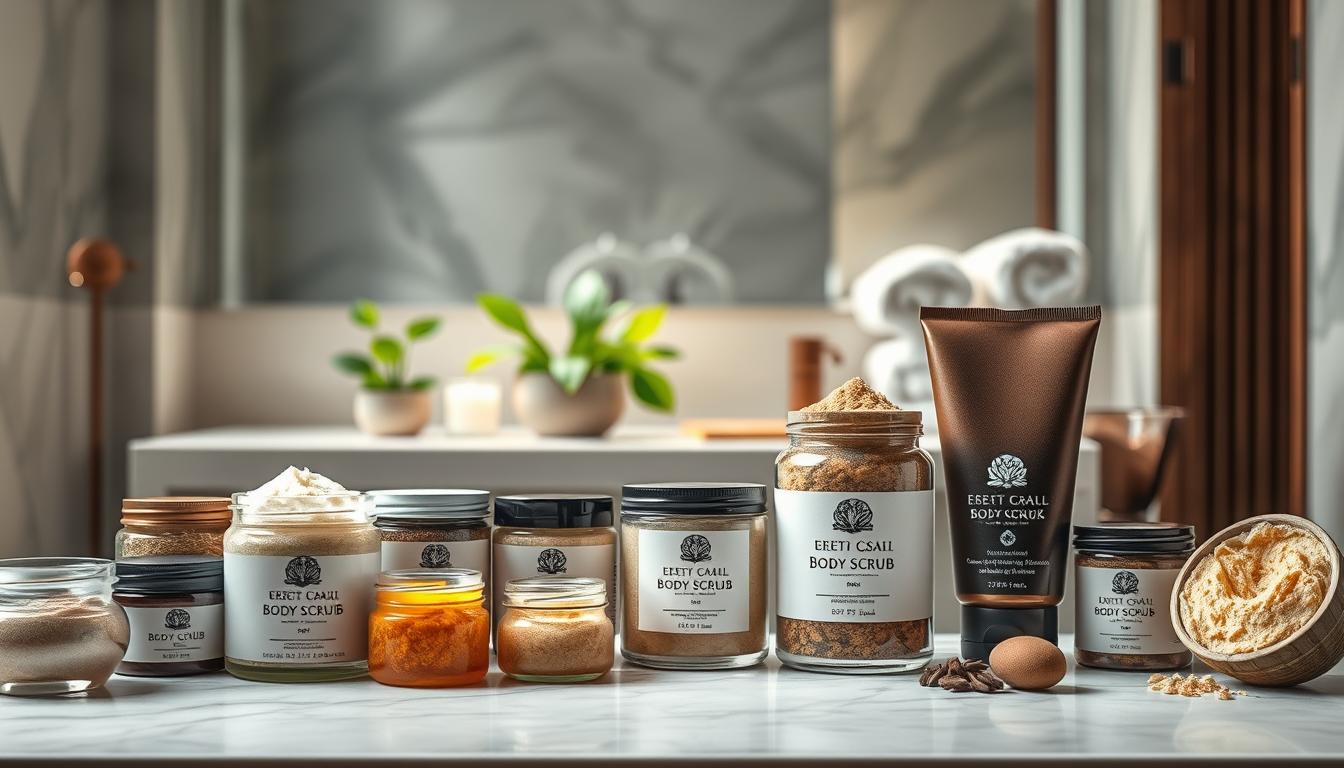
There are many types of body scrubs, each with its own benefits. You can find salt scrubs, sugar scrubs, and scrubs with gentle dissolving or physical buffing ingredients. Knowing which type suits your needs is essential when learning how to use body exfoliator products.
Salt Scrubs vs. Sugar Scrubs
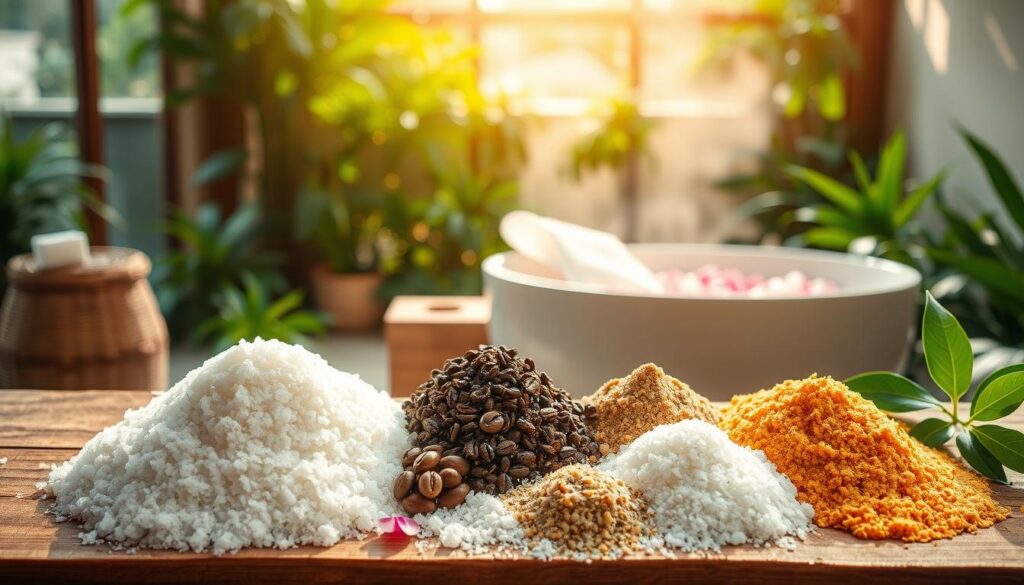
Salt scrubs help draw out impurities and can help your skin feel refreshed. Sugar scrubs are gentler and nourishing, great for delicate skin. Sugar scrubs are perfect for dry or delicate skin, as they provide moisture while exfoliating. Understanding how to use sugar scrub properly ensures you get the maximum body scrub benefits without over-exfoliating.
Salt particles tend to be coarser and more textured, making them suitable for thick-skinned areas like feet and elbows. They also contain natural minerals. Sugar granules, on the other hand, dissolve more easily in water and are gentler on sensitive areas.
Chemical vs. Physical Exfoliants
Dissolving exfoliants gently break down old skin cells. Physical exfoliants, like salt and sugar scrubs, buff them away manually. Dissolving exfoliants are good for a gentle approach, while physical ones offer a hands-on experience. Both types deliver excellent body scrub benefits when used correctly.
Chemical exfoliants work by breaking down the bonds between dead skin cells. Physical exfoliants provide immediate visible results, while chemical exfoliants work more gradually.
The Natural Process Behind Exfoliation
Exfoliation buffs away old skin cells from your skin’s surface. It keeps your skin vibrant by supporting the skin’s natural renewal process and enhancing texture. Your skin naturally sheds thousands of dead cells, but sometimes this process benefits from assistance to prevent buildup that can lead to dull-looking skin.
Because exfoliation supports the skin’s natural shedding process, using a body scrub correctly matters. Gentle scrubbing helps remove surface buildup and can improve how the skin feels and looks over time, without disrupting its natural balance.
Body Scrub Benefits for Your Skin
Body scrubs offer many benefits. They:
- Enhance skin texture by buffing away old skin cells
- Support skin brightness and even tone
- Help smooth skin after shaving for a softer feel
- Prepare skin to better absorb skincare products
- Help improve the appearance of rough patches and uneven texture
- Support the skin’s natural renewal cycle
- May help minimize the appearance of ingrown hairs
- Create a spa-like experience that promotes relaxation
When you exfoliate regularly, your moisturizers, body oils, and body butter absorb more effectively because there’s less barrier of dead skin. This means you get more value from every product in your skincare routine.
Preparing for Your Body Scrub Session
Getting ready for a body scrub is more than just picking one out. It’s about making it a special experience. To enjoy your exfoliating routine and maximize body scrub benefits, pick the right scrub for your skin, gather what you need, and create the perfect setting.
Choosing the Right Body Scrub for Your Skin Type
It’s important to choose the right body scrub for your skin. Different scrubs work better for different skin types. For delicate skin, look for scrubs with sugar or jojoba beads. Learning how to use body exfoliator products suited to your skin type ensures optimal results.
If you have tougher skin, a scrub with salt or silica might work better. It gives a deeper buffing. Think about what your skin needs and choose a scrub that matches those needs. Consider ingredients like shea butter which adds extra moisture during exfoliation.
For sensitive skin, opt for scrubs with oatmeal, chamomile, or aloe vera. These ingredients are soothing while gently exfoliating. For skin prone to blemishes, look for scrubs with tea tree oil to help keep skin clear. For mature skin, scrubs with antioxidants like vitamin E or green tea extract can provide additional benefits.
| Skin Type | Recommended Scrub Ingredients | Benefits |
|---|---|---|
| Sensitive | Sugar, Jojoba Beads, Oatmeal | Gentle Buffing, Soothing |
| Normal/Dry | Oils, Butters, Glycerin | Hydrating and Nourishing |
| Tough/Oily | Salt, Silica, Clay | Deep Buffing, Purifying |
| Blemish-Prone | Tea Tree Oil, Charcoal | Purifying, Clarifying |
| Mature | Vitamin E, Antioxidants | Nourishing, Smoothing |
Gathering Necessary Supplies
After picking your scrub, get everything you need. You’ll need a loofah or washcloth, warm water, and a towel. For a relaxing time, add calming music and a candle. Having everything ready makes learning how to use body scrub much easier.
Consider also having:
- A quality body wash to use after exfoliating
- A rich moisturizer or body butter for post-scrub hydration
- A soft brush for dry brushing before wet exfoliation
- Essential oils if you want to enhance your scrub
- A timer to ensure proper timing
- A non-slip mat for safety
Setting the Right Environment
Creating the right setting is key for a great body scrub session. Make sure the bathroom is warm and cozy. Dim the lights and light candles for a calming feel.
Consider these environment-enhancing tips:
- Set the water temperature to warm (not hot) to avoid drying your skin
- Play relaxing music or nature sounds
- Use aromatherapy with essential oils like lavender or eucalyptus
- Ensure good ventilation to prevent the room from becoming too steamy
- Place a non-slip mat in your shower or tub for safety
- Have everything within arm’s reach for convenience

By picking the right scrub, getting your supplies ready, and setting the mood, you can make your body scrub session feel like a spa. Your skin will feel smooth and refreshed.
How to Use Body Scrub Properly: Step-by-Step Guide
To get the most out of your body scrub, follow a simple process. Knowing how to use body scrub can make your skin look better by buffing away old cells and boosting skin’s natural glow. Here’s your complete guide on how to use body scrub effectively.
Step 1: Preparing Your Skin
Before you start, make sure your skin is ready. Wet your skin in the shower or bath. This softens your skin and makes exfoliating more effective. Warm water can also help prepare your skin naturally. This first step in how to use body scrub is important for optimal results.
Spend at least 2-3 minutes letting warm water run over your body. This softens the dead skin cells, making the exfoliation process more comfortable and effective. Some people recommend dry brushing before your shower to help prepare the skin.
For best results:
- Use lukewarm to warm water (not hot, which can be drying)
- Let the water run over areas you plan to exfoliate for 2-3 minutes
- Consider using a gentle cleanser first to remove surface dirt
- Pat skin slightly dry but keep it damp for scrub application
Step 2: Applying the Body Scrub Correctly
Take a good amount of body scrub and apply it to your skin. Start at your feet and move up to your neck. Use gentle circular motions to massage the scrub into your skin. Make sure to cover all areas, but avoid delicate spots unless the scrub is formulated for them. This technique is essential when learning how to use body exfoliator products.
The general guideline is to use about a quarter-sized amount for each body section (arms, legs, torso, back). Apply more for larger areas like thighs and back, less for smaller areas like hands and feet. Working from bottom to top also helps create a flowing routine.
Application tips:
- Use circular motions in one direction for 30-60 seconds per area
- Apply gentle but firm pressure—never scrub too hard
- Pay attention to rough areas like elbows, knees, and heels
- Avoid recently shaved skin, cuts, or irritated areas
- Don’t forget often-neglected areas like your back and behind your knees
Step 3: Massaging Techniques for Maximum Benefits
Exfoliating with massage helps buff away old cells and promotes a refreshed, radiant look. Use your fingertips to massage the scrub in circular motions. Focus on areas like elbows and heels, which tend to be drier and rougher. Proper massage technique amplifies body scrub benefits significantly.
Different massage techniques serve different purposes:
- Circular motions: Best for general exfoliation
- Upward strokes: Support a lifting motion
- Gentle pressure: Target specific rough patches
- Long sweeping motions: Ideal for larger areas like legs and arms
“Exfoliating regularly can help keep skin looking clean and fresh, may help minimize the appearance of texture, and leave skin looking smoother and brighter.”
Spend approximately:
- 60-90 seconds on each leg
- 30-45 seconds on each arm
- 60 seconds on your torso
- 45-60 seconds on your back (or have a partner help)
- 30 seconds on feet, paying extra attention to heels
How to Use Sugar Scrub Specifically
Sugar scrubs are popular for exfoliating because they’re gentle yet effective. When learning how to use sugar scrub, remember to massage it into your skin gently. Sugar has texture, so be mindful. Rinse well with warm water and moisturize afterward to lock in the benefits. Many people ask how to use sugar scrub differently from salt scrubs—the key is using lighter pressure.
Sugar scrubs are particularly popular because:
- Sugar granules dissolve gradually, making the experience gentler
- They provide both physical and gentle chemical exfoliation
- They’re less likely to feel too abrasive on skin
- They’re ideal for sensitive areas and delicate skin types
- They can be used more frequently than salt scrubs
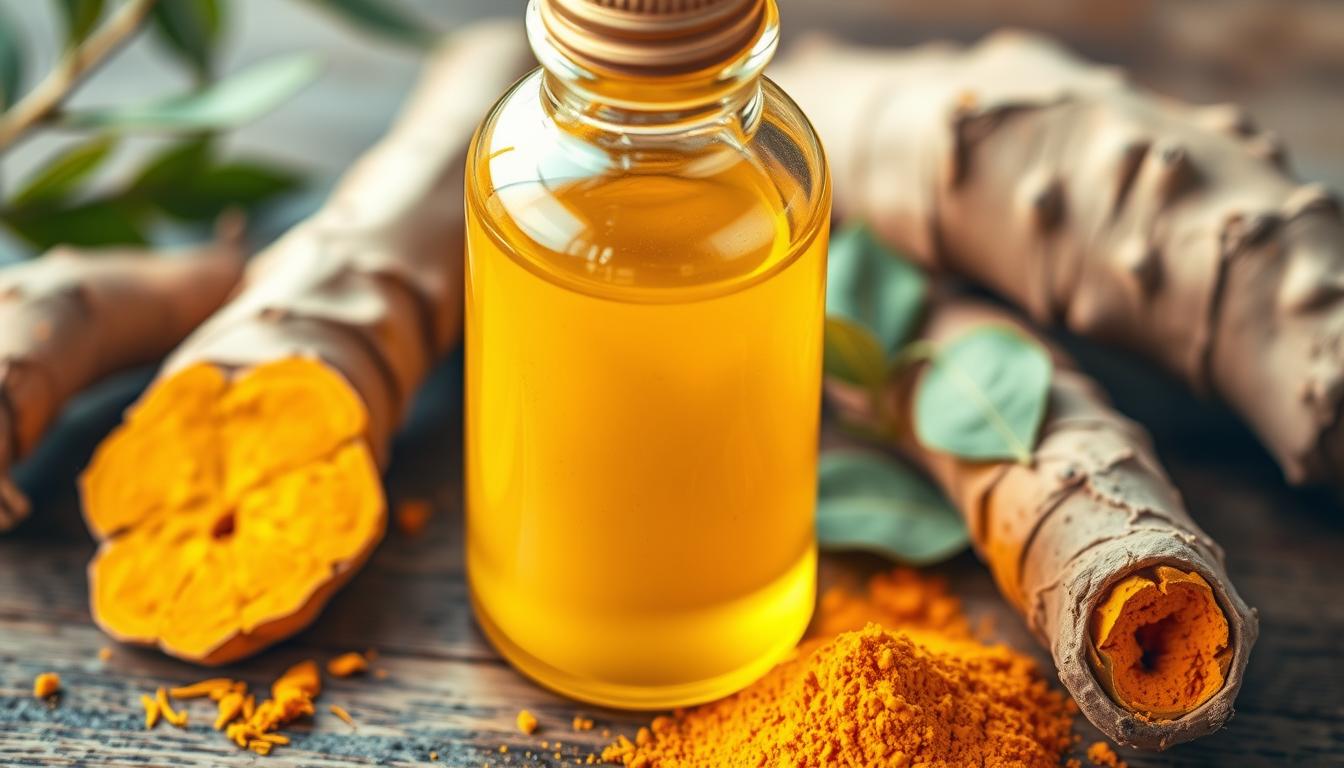
When using a sugar scrub, mix it with a bit of water or oil if it feels too textured. You can also enhance your sugar scrub with ingredients like turmeric oil for added skin-brightening benefits.
| Step | Description | Benefits |
|---|---|---|
| 1 | Prepare your skin by wetting it | Softens skin, makes exfoliating more effective |
| 2 | Apply body scrub from feet to neck | Buffs away old skin cells, promotes radiant glow |
| 3 | Massage using circular motions | Enhances buffing, improves skin texture |
| 4 | Rinse thoroughly and hydrate | Leaves skin smooth, nourished |
By following these steps on how to use body scrub, you can enjoy smoother, more vibrant-looking skin.
Post-Scrub Skin Care Routine
After scrubbing, it’s time to nourish your skin. A good post-scrub routine is key for vibrant, glowing skin and maximizing body scrub benefits.
Rinsing Thoroughly
Start by rinsing your skin well. Use warm water to remove all scrub residue. This helps maintain soft, refreshed skin. Proper rinsing is an essential part of how to use body scrub correctly.
Make sure to:
- Use lukewarm water for the final rinse
- Rinse until all scrub particles are completely removed
- Pay special attention to areas where product tends to accumulate (behind knees, between toes)
- Finish with a cool water rinse to help refresh skin
- Avoid hot water, which can be drying
Tip: Be gentle to keep your skin comfortable. Don’t use harsh washcloths or loofahs during rinsing—your hands work best.
Applying Moisturizer
After rinsing, dry your skin and apply moisturizer. This locks in hydration and leaves your skin feeling comfortable and fresh. Choose a moisturizer that fits your skin type. This final step ensures you get all the body scrub benefits.
For maximum benefit:
- Pat skin dry rather than rubbing vigorously
- Apply moisturizer while skin is still slightly damp
- Use a rich body butter for extra hydration
- Focus on areas that were heavily exfoliated
- Consider using body oil before lotion for deeper moisture
“Moisturizing after exfoliating is like giving your skin a refreshing drink; it helps keep skin feeling soft and comfortable.”
Best moisturizing practices:
- Apply within 3 minutes of towel-drying
- Use upward strokes while applying
- Layer products from thinnest to thickest consistency
- Don’t forget hands, feet, and other commonly neglected areas
Exfoliate Before or After Body Wash: The Right Order
Many wonder about the best timing—should you exfoliate before or after body wash? The answer is clear: exfoliate before washing for better results. It buffs away old skin cells, letting the wash work more effectively. This common question about whether to exfoliate before or after body wash has a simple answer that maximizes results.
Some also ask, do you use body scrub after body wash? No, the optimal sequence is to use your body scrub first, then follow with body wash. Understanding whether do you use body scrub after body wash helps you get better results.
Here’s the recommended order:
- Exfoliate with a body scrub to buff away old skin cells and prepare the skin
- Follow up with a body wash to cleanse the skin and remove loosened debris
- Finish with a moisturizer to hydrate and nourish freshly exfoliated skin
Why this order works well:
- Exfoliating first removes the barrier of dead cells
- Body wash can then work more effectively
- Moisturizer is absorbed better by freshly exfoliated, clean skin
- This sequence prevents product buildup
- It ensures you get the most from each step
By following this order and knowing how to use body scrub in sequence, you ensure your skin is both clean and well-nourished.
Best Practices and Common Mistakes to Avoid
To get the most body scrub benefits, it’s key to know the right way to use it. By following the best practices on how to use body scrub and avoiding common errors, you can support smoother, more vibrant skin.
How Often to Use Body Scrub
Body scrubs aren’t for daily use. Even though they’re often gentle, too frequent exfoliation can be uncomfortable for your skin. For most people, exfoliating 1-2 times a week is enough. But if your skin is delicate, start with once every 10 days and adjust as needed. Understanding how to use body scrub with the right frequency prevents over-exfoliation.
Frequency guidelines by skin type:
- Normal skin: 2-3 times per week
- Dry or sensitive skin: Once a week or every 10 days
- Oily or thick skin: 2-3 times per week
- Combination skin: Twice weekly, adjusting for different body areas
- Mature skin: Once or twice weekly with gentle formulas
Factors that affect frequency:
- Climate and season (skin may benefit from more exfoliation in winter)
- Activity level (active individuals may enjoy more frequent exfoliation)
- Skin concerns (rough patches may need more attention)
- Product strength (gentler scrubs can be used more often)
Areas to Treat with Extra Care
Some parts of your body need more attention when using a body scrub. Be gentle on delicate spots and avoid scrubbing over areas that feel uncomfortable. Focus on rougher spots like elbows, knees, and feet, but don’t scrub too hard. Knowing how to use body exfoliator on different body areas ensures the best experience.
Delicate areas requiring gentle treatment:
- Neck and chest area
- Inner arms
- Inner thighs
- Any area with thin or sensitive skin
- Recently shaved areas
- Areas with broken skin, rashes, or irritation
Areas that can handle more scrubbing:
- Elbows
- Knees
- Heels and soles of feet
- Upper back
- Shoulders
Pro tip: Never use body scrubs on:
- Your face (use facial exfoliants instead)
- Areas with active breakouts or wounds
- Sunburned skin
- Areas with skin conditions
- Recently waxed areas
Signs You’re Over-Exfoliating
Knowing when you’re exfoliating too much is important for maintaining skin comfort. If you see redness, sensitivity, or dryness after scrubbing, you might be overdoing it. Try exfoliating less or using a gentler scrub to address these concerns. Recognizing these signs helps you adjust how to use body scrub for your skin’s needs.
Warning signs of over-exfoliation:
- Redness that lasts for more than a few hours
- Increased sensitivity to products that normally don’t irritate
- Tightness or dryness despite moisturizing
- Flaking or peeling between exfoliation sessions
- Uncomfortable sensations when applying products
- Shiny or smooth appearance (sign of too much buffing)
- Increased skin concerns or irritation
- Tiny scratches on the skin
If you notice these signs:
- Stop exfoliating immediately
- Focus on gentle, hydrating products
- Use a barrier repair cream or body butter
- Avoid hot water and harsh soaps
- Wait at least a week before resuming exfoliation
- Switch to a gentler scrub or reduce frequency
Storing Your Body Scrub Properly
Storing your body scrub right can make it last longer and work better. Keep it in a cool, dry spot, away from sunlight and moisture. This keeps the scrub’s texture good and maintains its quality.
Storage best practices:
- Keep containers tightly sealed between uses
- Store in a cool, dark place (not in the shower if possible)
- Use a clean, dry scoop or spoon to dispense product
- Avoid introducing water into the container
- Check expiration dates on commercial products
- Refrigerate natural, preservative-free scrubs
- Use within 3-6 months for DIY scrubs with fresh ingredients
Signs your scrub may need replacing:
- Changed smell or color
- Visible contamination
- Separation that doesn’t remix
- Texture changes become clumpy or oily
- Past the expiration date on packaging
| Best Practices | Common Mistakes |
|---|---|
| Exfoliate 1-2 times a week | Exfoliating too frequently |
| Be gentle on delicate areas | Scrubbing too hard |
| Store in a cool, dry place | Exposing to direct sunlight or moisture |
| Use clean hands or utensils | Introducing water into the container |
| Follow with moisturizer | Skipping post-exfoliation hydration |
| Stop if irritation occurs | Continuing despite signs of sensitivity |
DIY Body Scrub Recipes for Enhanced Results
Creating your own body scrubs at home allows you to customize ingredients for your specific skin needs while ensuring freshness and purity. Here are three popular recipes you can make with simple ingredients.
Simple Sugar Scrub Recipe
This basic recipe is perfect for beginners and can be customized with your favorite oils and scents.
Ingredients:
- 1 cup granulated sugar (white or brown)
- ½ cup carrier oil (coconut, almond, or olive oil)
- 10-15 drops essential oil (optional)
- 1 tablespoon honey (optional, for extra moisture)
Instructions:
- Mix sugar and carrier oil in a clean bowl
- Add essential oils and honey if desired
- Stir until well combined
- Store in an airtight container
- Use within 2-3 months
Benefits: Gentle exfoliation, deep hydration, customizable fragrance
Coffee Body Scrub for Smoother Skin
Coffee grounds are popular for scrubs and may help your skin look smoother and more toned.
Ingredients:
- 1 cup ground coffee (used or fresh)
- ½ cup coconut oil (melted)
- ½ cup brown sugar
- 1 teaspoon vanilla extract (optional)
Instructions:
- Combine all ingredients in a bowl
- Mix until you achieve a paste-like consistency
- Apply to damp skin in circular motions
- Focus on areas you want to smooth
- Leave on for 5-10 minutes before rinsing
Benefits: Helps skin look smoother, provides gentle buffing, pleasant aroma
Turmeric Body Scrub for Brightening
Turmeric oil is popular in skincare for its brightening properties, making it perfect for creating a radiant look.
Ingredients:
- 1 cup sugar
- ½ cup coconut oil
- 2 tablespoons turmeric oil or 1 tablespoon turmeric powder
- 1 tablespoon lemon juice (for extra brightening)
- 5 drops lavender essential oil
Instructions:
- Mix sugar and coconut oil
- Add turmeric oil and lemon juice
- Stir in lavender oil
- Store in a dark container (turmeric is light-sensitive)
- Use once or twice weekly
Benefits: Helps brighten skin appearance, evens out skin tone, provides antioxidant benefits
Note: Turmeric may temporarily stain skin and clothing yellow. Test on a small area first and rinse thoroughly.
Complementary Products for Your Body Care Routine
To get the best results from your exfoliation routine, consider using complementary products that work well together with body scrubs.
Pre-Exfoliation Products:
- Dry brushes: Help prepare skin before showering
- Shea butter body wash: Gentle cleansing that prepares skin for exfoliation
- Pre-shower oils: Help soften skin before scrubbing
Post-Exfoliation Products:
- Whipped body butter: Provides intense hydration for freshly exfoliated skin
- Body oils with vitamin E: Help lock in moisture and nourish skin
- Hydrating body lotions: Daily moisture maintenance
Enhancement Products:
- Turmeric oil: Add to scrubs or use afterward for brightening benefits
- Essential oils: Customize your scrub experience with aromatherapy
- Aloe vera gel: Soothe sensitive areas after exfoliation
Complete Body Care Routine:
- Start with dry brushing (optional)
- Cleanse with a nourishing body wash
- Apply body scrub using proper technique
- Rinse thoroughly
- Pat dry and apply body butter
- Enhance with turmeric oil on specific areas if desired
Conclusion
Adding a body scrub to your bath or shower is a simple way to support soft, radiant skin. Knowing how to use body scrub right can help a lot. It buffs away old skin cells, helps boost your skin’s natural glow, and makes your skin feel smooth and refreshed.
Key takeaways for optimal body scrub use:
- Exfoliate 1-2 times weekly for best results
- Always exfoliate before using body wash
- Choose scrubs appropriate for your skin type
- Be gentle on sensitive areas
- Follow with quality moisturizer or body butter
- Watch for signs of over-exfoliation
- Store products properly to maintain quality
- Consider DIY recipes with turmeric oil for enhanced benefits
To get the most out of body scrub benefits, use it once or twice a week. Focus on areas like elbows, knees, and feet. Regular exfoliation using proper technique supports more vibrant, radiant skin. Remember the key questions: exfoliate before or after body wash (before), and do you use body scrub after body wash (no—use it before).
With the right scrub and techniques for how to use body scrub, you can enjoy the benefits of exfoliating regularly. Enhance your routine with complementary products like shea butter body wash for cleansing and nourishing whipped body butter for post-scrub hydration. Start using a body scrub in your self-care routine today and see the difference for yourself.
Complete your body scrub routine with turmeric gummies and a soothing herbal infusion for a relaxing finish.
FAQ
Here are some common questions about using body scrubs, along with tips to get the best results and enjoy smoother, softer skin.
Should I exfoliate before or after body wash?
Always exfoliate before using your body wash. Applying a scrub first removes dead skin cells, allowing your body wash to cleanse more effectively. So, the answer is clear — exfoliate before for the best results. This sequence ensures your body wash can work more efficiently.
Do you use body scrub after body wash?
No. Use your body scrub before washing. Exfoliating first helps remove buildup and lets your body wash work better, leaving your skin softer and smoother. This order maximizes the effectiveness of both products.
How do I use a body exfoliator?
Using a body exfoliator is simple. Start by wetting your skin, then apply the scrub in gentle circular motions. Focus on areas like elbows and heels, rinse thoroughly, and follow with a moisturizer for smooth results. For deeper hydration, use body butter after exfoliating.
What are the benefits of using a body scrub?
Body scrubs help remove old skin cells, leaving your skin softer, brighter, and more even-looking. They can also help smooth your skin after shaving and improve how well your moisturizer absorbs. Regular use supports natural skin renewal and enhances overall skin texture.
How do I use a sugar scrub?
To use a sugar scrub, wet your skin and apply a small amount. Gently massage in circular motions, paying extra attention to rough areas. Rinse with warm water and pat dry. Sugar provides natural exfoliation, so be gentle while scrubbing. You can enhance your sugar scrub with turmeric oil for added brightening benefits.
How often should I use a body scrub?
Most people find that using a body scrub once or twice a week works well. If you have sensitive skin, exfoliate less often to avoid discomfort. Finding the right balance helps you maintain healthy-looking skin without over-exfoliating.
Can I store body scrubs in the bathroom?
It’s best not to store body scrubs in the bathroom. Humidity can affect their texture and quality. Keep them in a cool, dry place to maintain freshness over time. For DIY scrubs with fresh ingredients, refrigeration can help extend shelf life.
What are the signs of over-exfoliating?
Over-exfoliating may cause redness, dryness, or sensitivity. If this happens, exfoliate less often or switch to a gentler formula. Paying attention to your skin helps keep your routine balanced and comfortable. Always follow exfoliation with a nourishing product like body butter.
Can I add ingredients to my body scrub?
Yes! You can enhance commercial scrubs or make your own with beneficial ingredients like turmeric oil for brightening, essential oils for aromatherapy, or honey for extra moisture. DIY scrubs allow complete customization for your skin’s specific needs.
What’s the difference between body scrubs and facial scrubs?
Body scrubs typically contain larger, more textured particles suitable for the thicker skin on your body. Facial scrubs are formulated with finer particles for the delicate skin on your face. Never use body scrubs on your face, as they can be too abrasive.
Written by Doo & Rita
Doo and Rita are sisters, herbal wellness enthusiasts, and DIY beauty lovers who explore plant-based ingredients through hands-on experiments. We share tips and recipes we personally test, always with a gentle, nature-first approach.
Disclaimer: All content is for educational purposes only. We are not medical professionals. Always patch test new ingredients. Contact: [email protected]