Green Tea Facial Cleanser Guide: Korean Routine, Benefits & DIY Recipes
By Doo & Rita – 14 min read – 4 methods tested – used daily for 5+ years
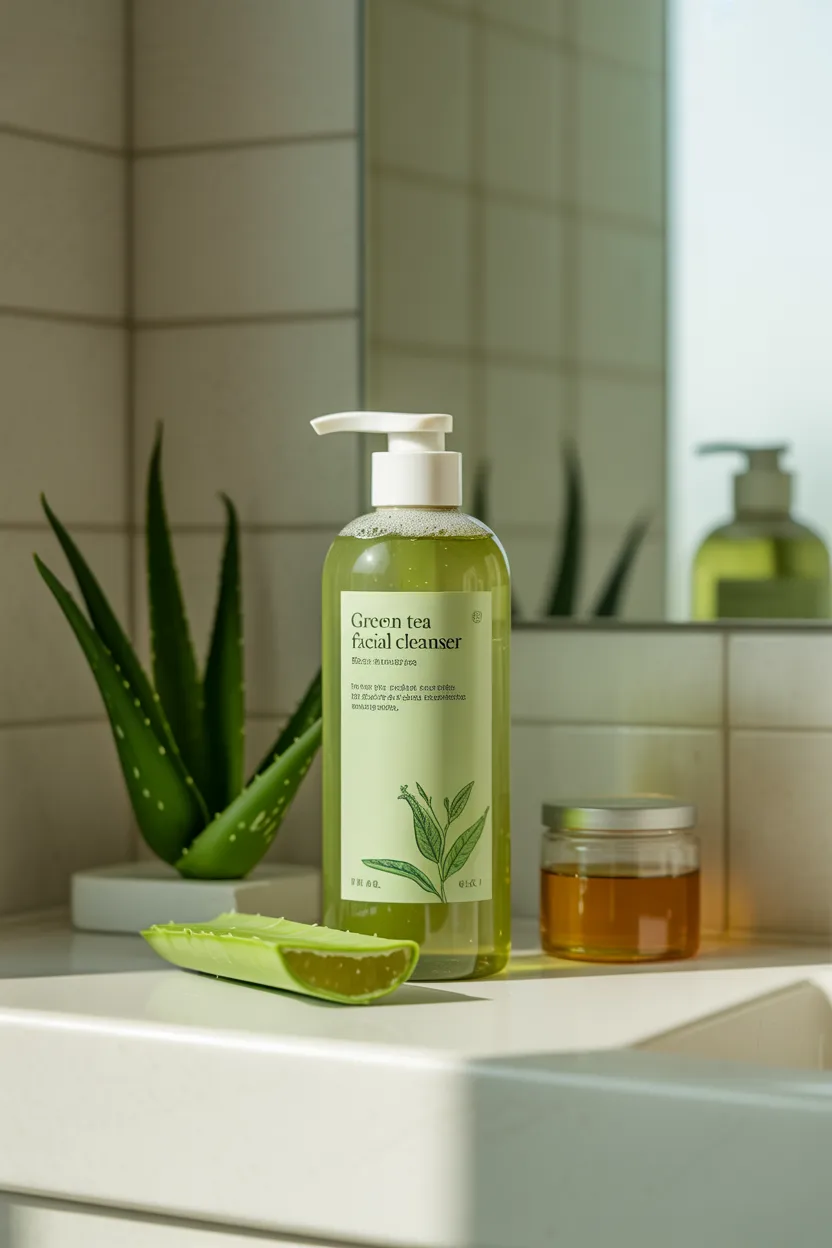
Green tea facial cleanser was the last thing I expected to become obsessed with. I’d tried every foaming wash, every micellar water, every “gentle” formula that somehow still left my face feeling like paper. Then Rita came back from a trip with a small tube of Korean green tea face wash and handed it to me with absolutely zero fanfare. Just said, “Try this.” I did. By week two I’d quietly thrown out three other cleansers.
That was five years ago. Between the two of us, we’ve now worked through more green tea cleansers—Korean, Western, and DIY—than either of us can count. We know what the texture should feel like, what the rinse should feel like, and exactly why the formula matters more than the price tag. This is everything we’ve figured out since that first small tube.
Four methods, three DIY recipes, a mistakes guide, the science explained honestly, and every question we get asked. Everything we wish someone had told us before we wasted money on the wrong formulas.
⬇ JUMP TO SECTION
⚡ QUICK ANSWER
Is green tea facial cleanser worth it?
Yes — for most skin types. Here’s what makes it different from a standard face wash:
without stripping moisture
a key green tea compound
not tight, not greasy
especially oily & combo
Fastest start: Apply a pea-sized amount of green tea facial cleanser to damp skin → massage gently for 30–60 seconds → rinse with lukewarm water. Morning and evening. That’s it.
📋 WHAT’S IN THIS GUIDE
- Why green tea cleans differently from every other face wash
- 7 things it actually does to your skin (tested daily for 5 years)
- Which skin types get the most out of it — and which need caution
- 4 methods that actually work, from 60 seconds to full ritual
- The Korean double cleanse: why the order changes everything
- 3 DIY recipes you can make tonight with kitchen ingredients
- 8 mistakes that explain why it didn’t work the first time
- The full cheat sheet — all methods at a glance
- The research behind it, explained honestly
- Every question we get asked — answered
📋 FULL CHEAT SHEET — ALL METHODS AT A GLANCE
| Method / Recipe | Best For | Time | Frequency |
|---|---|---|---|
| Daily two-minute cleanse ⭐ | All skin types, everyday foundation | 2 min | Twice daily |
| Korean double cleanse | After SPF or makeup | 5 min | Every evening |
| Morning gentle reset | Dry or sensitive skin | 60 sec | Mornings only |
| Cleanser + exfoliation | Dull or congested skin | 3 min | 1–2x per week |
| 🍵 Honey gel DIY | All skin types, daily use | 5 min prep | Use within 5 days |
| 🥣 Oat cream DIY | Dry or sensitive skin | 5 min prep | Use within 3 days |
| 🌾 Rice water DIY | Dull or uneven skin | 10 min prep | 1–2x per week |
What Does Green Tea Facial Cleanser Actually Do for Your Skin?
A green tea facial cleanser does something most standard face washes don’t: it cleans your skin without completely stripping it. Most conventional cleansers use surfactants that are very good at removing everything—dirt, excess oil, and makeup—but also the natural moisture your skin actually needs. The result is that tight, papery feeling after washing that so many people mistake for “clean.”
Green tea changes that equation. The leaves are naturally rich in polyphenols—plant compounds, the most studied of which is EGCG (epigallocatechin gallate). When used in a well-formulated green tea face wash, these compounds work alongside the cleansing agents to leave skin feeling genuinely balanced: clean without being stripped, fresh without being dry.
The Korean skincare tradition understood this long before it became a global trend. Green tea has been used in Korean beauty routines for decades—not as a gimmick but as a functional ingredient with a real job to do. The green tea face wash Korean approach focuses on gentle, thorough cleansing that respects the skin’s natural balance rather than fighting it. More on that method in its own section below.
A key polyphenol found naturally in green tea leaves.
Removes impurities without disrupting moisture balance.
Plant-based active compounds. No synthetic additives needed.
Leaves skin comfortable — not tight, not greasy.
7 Benefits of Green Tea Facial Cleanser
The benefits of green tea facial cleanser go well beyond a pleasant scent and a nice texture—here’s what it actually does and why each one matters in a daily routine:
🫧 Supports Balanced Oil Production
For oily and combination skin especially, a good green tea cleanser helps the skin find its natural balance rather than swinging between too oily and too dry. The midday shine tends to reduce noticeably — and this is the benefit we hear about most consistently from readers within the first three weeks. It’s also the one with the clearest research support (see Sources below).
💧 Gentle, Balanced Cleansing
Removes daily impurities, excess oil, and residue without over-stripping. Your skin should feel clean and comfortable — not squeaky or tight. If it feels tight after washing, that’s a formula problem, not a skin problem.
🌿 Naturally Rich in Polyphenols
EGCG and other polyphenols in green tea are among the most studied plant compounds in skincare research. A well-formulated green tea cleanser brings these to your skin at every wash, not just in a serum step.
✨ Visibly Brighter Complexion
Regular use of a green tea face wash leaves skin looking more even-toned and refreshed over time. Not overnight — but noticeably within a few weeks of consistent use.
🌱 Naturally Refreshing
The natural compounds in green tea give the skin a genuinely refreshed feeling — not the artificial cooling of menthol, but a calm, comfortable freshness that’s especially welcome in a morning routine.
🛡️ A Good Base for What Follows
Clean, balanced skin absorbs everything that comes after — toner, serum, moisturiser — more evenly. A green tea cleanser that doesn’t strip creates a genuinely better canvas. This is the core logic behind Korean double cleansing.
🍵 Works Morning and Evening
Gentle enough for twice-daily use without over-cleansing. A good green tea facial cleanser can replace both your morning rinse and your evening wash in a single, simple step.
💡 Worth noting on formulation: always look for green tea extract (Camellia sinensis leaf extract) listed in the top half of the ingredient list. A product with green tea buried at position 18 of 20 is using it as a marketing ingredient, not a functional one. The Korean green tea cleansers that started the trend put it front and center—and that’s still the benchmark.
Which Skin Types Work Best With Green Tea Facial Cleanser
A green tea cleanser is one of the more versatile skincare ingredients—but it’s not identical for every skin type. Here’s where it really earns its place and where you need to pay closer attention:
| Skin Type | Verdict | What to Expect | Our Tip |
|---|---|---|---|
| Oily | ✓ Works Beautifully | Less midday shine, more balanced feel throughout the day | Use morning and evening, foaming formula |
| Combination | ✓ Works Beautifully | T-zone balanced without drying out the drier areas | Gel or light foam formula |
| Normal | ✓ Works Beautifully | Maintains what’s already working — clean, refreshed, balanced | Any formula, twice daily |
| Sensitive | ~ Patch Test First | Often works well but formula quality matters more | Choose fragrance-free, minimal ingredient list |
| Dry | ~ Choose Formula Carefully | Can work well — avoid foaming formulas, go for cream or gel | Cream cleanser format, once daily in the evening |
| Acne-Prone | ✓ Often a Great Fit | Gentle enough not to aggravate, balancing enough to help over time | Avoid harsh formulas alongside — keep the routine simple |
How to Use Green Tea Facial Cleanser: 4 Methods That Actually Work
If you only take one method from this page, start here. It’s the simplest, the most universally effective, and the one that takes less than two minutes once it becomes habit.
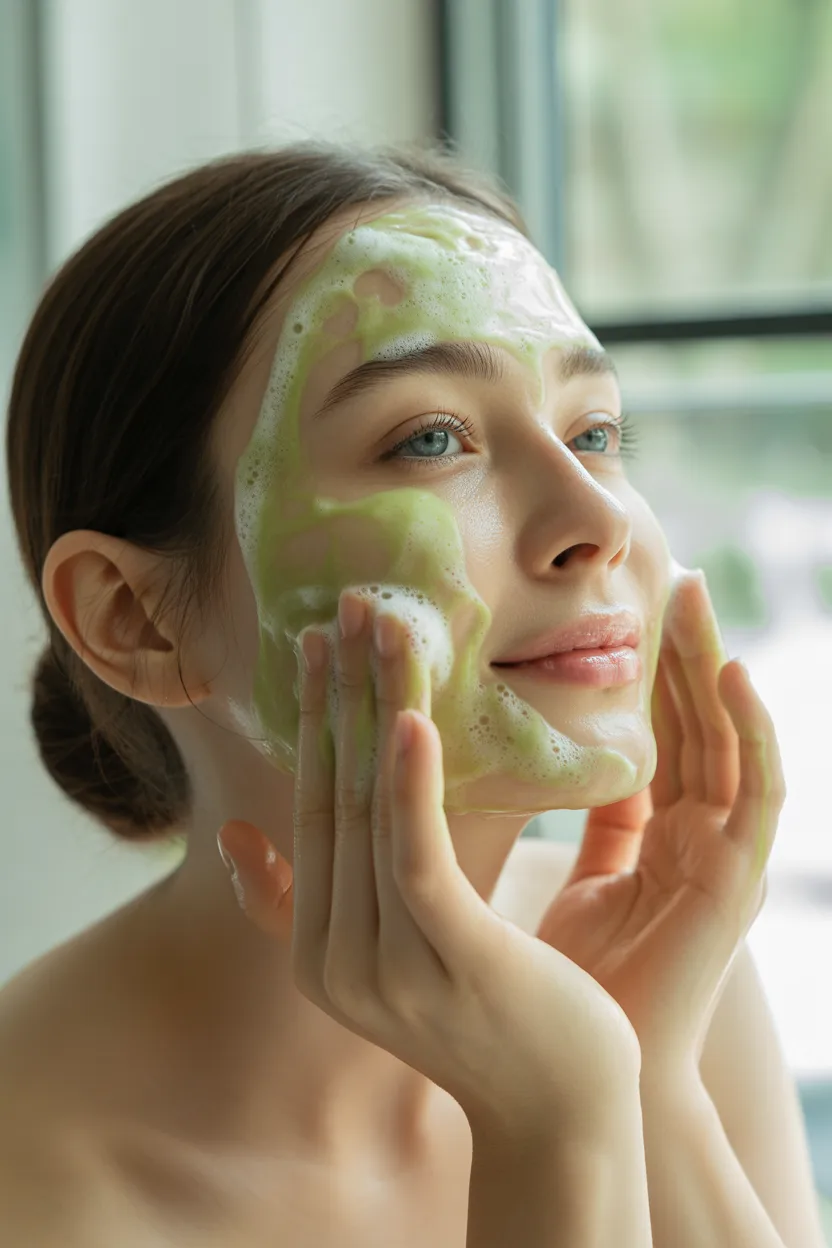
🍵 Method 1 — The Daily Two-Minute Cleanse
All skin types · Morning & evening · The foundation of everything else
🌿 WHAT YOU NEED
- ✦ Green tea facial cleanser — pea to hazelnut-sized amount
- ✦ Lukewarm water (not hot — hot water disrupts skin balance)
- ✦ Clean, soft face cloth or clean hands
📋 HOW TO DO IT
- 1Dampen your face first. Splash lukewarm water on your face before applying the cleanser. Damp skin helps the formula spread evenly and lather properly without using too much product.
- 2Apply a small amount. A pea to hazelnut-sized amount is genuinely enough. Dispense onto fingertips, not directly onto your face.
- 3Massage for 30–60 seconds. Use circular motions across forehead, nose, cheeks and chin. Gentle pressure only — the cleanser does the work, not your fingers.
- 4Rinse thoroughly with lukewarm water. Any residue left on the skin can clog pores. Pat dry with a clean towel — never rub. Apply the rest of your routine immediately while skin is still slightly damp.
Method 2 — The Korean Double Cleanse with Green Tea
🇰🇷 The Korean Green Tea Face Wash Method
Evening only · After makeup or SPF · The method behind the Korean glass-skin look
The Korean approach to cleansing is built on a simple idea: one cleanser rarely does two jobs equally well. An oil-based first step removes surface-level impurities — SPF, makeup, excess sebum. The green tea face wash Korean second step then cleanses the skin itself. The result is genuinely different from using either alone.
🌿 WHAT YOU NEED
- ✦ Oil cleanser or cleansing balm (first step)
- ✦ Green tea facial cleanser (second step)
- ✦ Lukewarm water throughout
📋 HOW TO DO IT
- First cleanse: Apply oil cleanser to dry skin. Massage 60 seconds. Emulsify with water, rinse.
- Second cleanse: Apply green tea face wash to damp skin. Massage 30–45 seconds in circular motions. Rinse thoroughly.
- Pat dry. Continue with toner, serum, moisturiser.
Method 3 — Green Tea Cleanser as a Gentle Morning Reset
Method 4 — Green Tea Cleanser + Gentle Exfoliation Ritual
3 DIY Green Tea Face Wash Recipes
These are the recipes we’ve actually made in our own kitchen. Each one uses brewed green tea as its base and adds one or two ingredients that do a specific job. None of them are complicated—and all three came out the other end worth sharing.
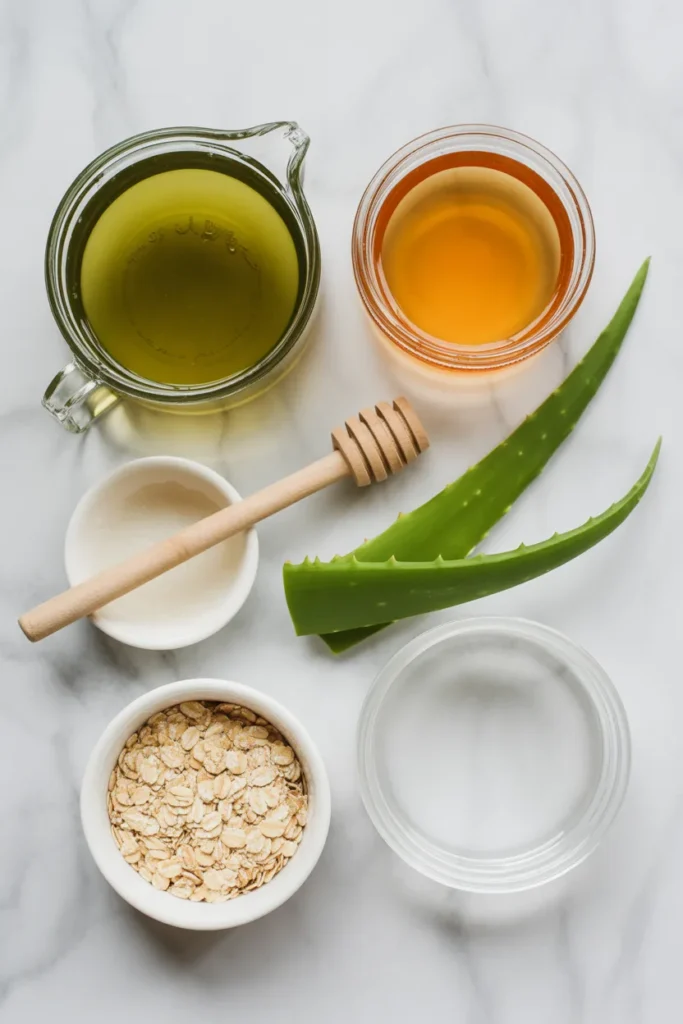
Recipe 1 — Simple Green Tea & Honey Cleansing Gel ⭐
Recipe 2 — Green Tea & Oat Creamy Cleanser
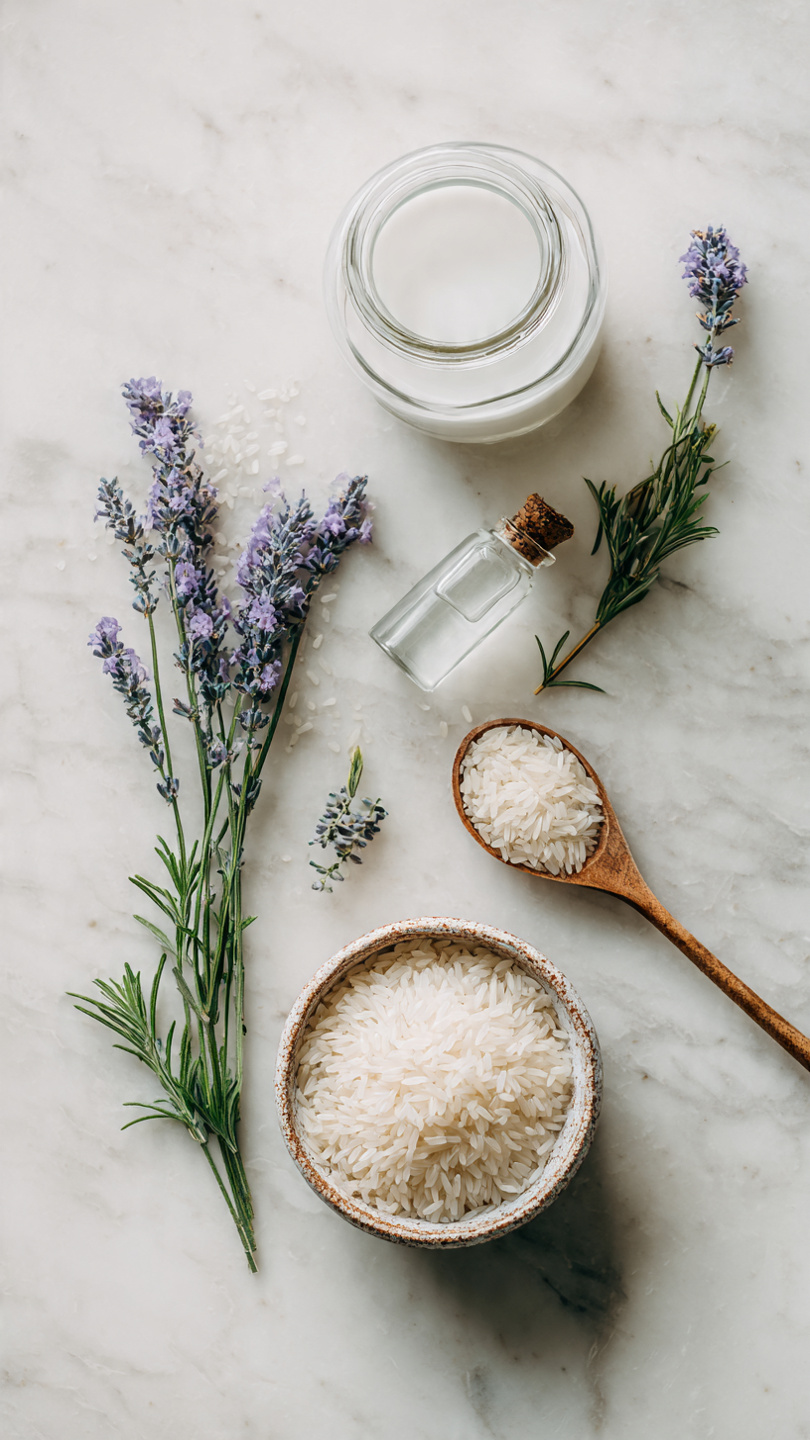
Recipe 3 — Green Tea & Rice Water Brightening Wash
Common Green Tea Facial Cleanser Mistakes to Avoid
Most green tea facial cleanser disappointments come from one of these eight mistakes. Every one of them is something we either did ourselves or watched someone else do before knowing better.
❌ Using Hot Water
Hot water disrupts the skin’s natural balance and can leave it feeling tight and reactive. Lukewarm is the right temperature — warm enough to feel comfortable, cool enough not to irritate.
❌ Rubbing Instead of Patting Dry
Rubbing a towel across freshly washed skin undoes some of the gentleness you just invested in. Always pat dry. It takes three extra seconds and genuinely makes a difference over time.
❌ Choosing a Formula with Green Tea Too Far Down the List
Ingredients are listed in descending order of concentration. If green tea extract appears in the last five ingredients of twenty, it’s there for marketing. Look for Camellia sinensis leaf extract in the top half of the list.
❌ Not Rinsing Thoroughly
Cleanser residue left on the skin sits in pores and can cause congestion over time. Spend an extra 15 seconds rinsing — especially around the hairline, jaw and sides of the nose.
❌ Skipping Moisturiser After
Even a gentle green tea cleanser removes some surface moisture. Always follow with a moisturiser while the skin is still slightly damp. Skipping this step is the most common reason people think their cleanser is “drying” when the issue is actually what comes after.
❌ Over-cleansing
Twice a day is the upper limit for most people. If you’re washing your face three or more times daily, you’re likely disrupting your skin’s natural balance more than you’re helping it — even with a gentle formula.
❌ Using Too Much Product
A pea to hazelnut-sized amount is enough for the entire face. More product does not mean better cleansing — it means more residue to rinse out and more unnecessary formula on your skin.
❌ Expecting Results in Three Days
The real benefits of a green tea cleanser — more balanced oil, noticeably more even skin — become visible after three to four weeks of consistent use. One use gives you a clean face. Four weeks gives you different skin.
📚 Sources & Scientific References
We are not dermatologists or cosmetic chemists. We’re two people who fell into green tea skincare through a small Korean tube and stayed because the results were real. But we wanted to understand the mechanism — why a green tea face wash does what it does at a compound level. Here are the three studies we found most useful and credible.
🧪 How We Tested These Methods — & Why It Matters
Using green tea facial cleanser has been a daily part of our skincare routine since 2019 — and in that time, the category has gone from a quiet Korean beauty staple to a mainstream trend with all the noise that comes with it. Claims have got louder. Formulas have multiplied. The genuinely useful information has got harder to find. Here is what “tested by us” actually means in this guide.
🍵 Rita’s daily routine for five years
Not a trial — the green tea face wash Korean method has been Rita’s evening routine since that first tube. The observation about her moisturiser absorbing more evenly is something she noticed at the time, in her own words: “the rest of the routine just works better now.”
⚠️ The ingredient list guidance comes from a mistake
Doo spent three months with a well-marketed green tea cleanser that turned out to have green tea extract at position 17 of 19 ingredients. The results were flat. Switching to a formula with it listed third produced a noticeable difference within two weeks.
🌾 The rice water timing is based on trial and error
The 24-hour fermentation window in the rice water recipe is specific because we tested shorter and longer times. Under-fermented rice water felt like plain water. Over-fermented became too sharp-smelling to be pleasant. One day at room temperature is the sweet spot.
🥣 The oat blender step is non-negotiable
We tried the oat cleanser with hand-ground oats once. The texture was noticeably rough — not suitable for a daily face wash. The blender step is in the recipe because we know exactly what a shortcut there produces.
💧 The “less on dry mornings” method is Doo’s observation
He noticed that using the full morning application on days when his skin was already comfortable made it feel slightly drier by midday. Cutting back to a very light application on those mornings fixed it. The skin tells you what it needs — the Korean approach is to listen to it.
📚 We’re honest about what the research shows
The studies we cite are credible and well-designed. But they’re research contexts, not kitchen bathrooms. We include them because they explain why the ingredient works — not because they guarantee the same outcome from a DIY recipe or a drugstore formula.
🌿 Green tea facial cleanser is one of the rare skincare ingredients that has genuine science behind it, a long track record in Korean beauty, and enough versatility to work for almost any routine. We started with a single borrowed tube, kept going because the results were real, and wrote this guide because most of what we found online was either vague or overclaiming. If something works differently for your skin, we’d genuinely like to know.
Frequently Asked Questions
Complete Your Natural Skincare Routine
Green tea facial cleanser works best as the foundation of a simple, consistent routine. Here’s what we pair it with:
The natural next step after your green tea cleanser for balanced, refreshed skin.
The lightweight moisturiser we use after the green tea cleanser every morning.
The traditional ingredient behind our brightening DIY recipe — explained fully.
Doo and Rita are the creators of Nature’s Herbal Remedy, a natural wellness blog focused on plant-based skincare, haircare and everyday self-care. Everything on this page has been used on at least one of their own faces first. Doo has combination skin; Rita has dry-to-normal with occasional sensitivity. Between them, most skin types are covered. Last updated: May 2026.