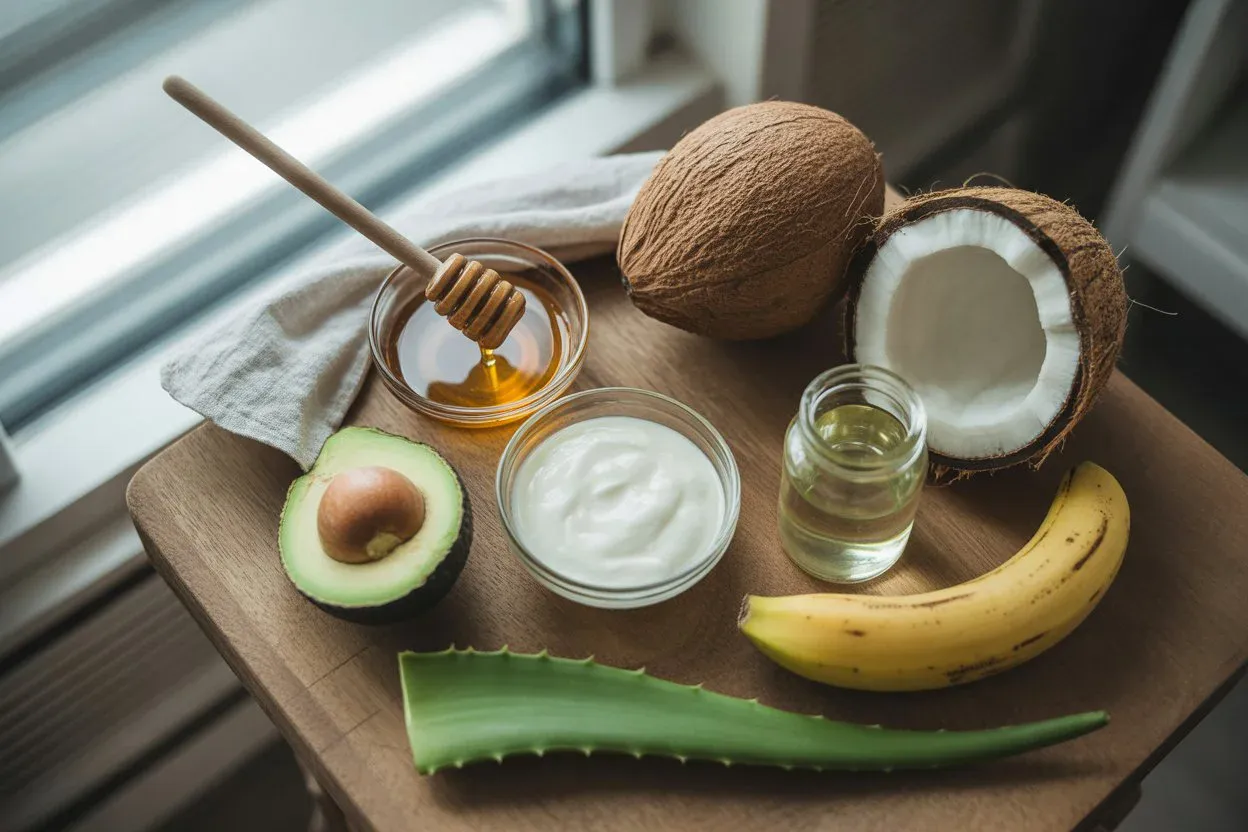
Natural Homemade Hair Masks Recipes for That Actually Make Your Hair Softer
There’s something deeply satisfying about creating your own hair care treatments. When you mix fresh ingredients in your kitchen and apply them to your hair, you’re connecting with a wellness ritual that spans cultures and generations. Let’s explore how you can pamper your hair with simple, homemade hair masks using ingredients you probably already have.
Table of Contents
What Makes DIY Hair Masks Special?
Creating an at-home hair mask isn’t just about haircare—it’s about taking time for yourself. You know exactly what’s going into your treatment, and there’s no long list of ingredients you can’t pronounce. Plus, the ritual of preparing and applying your mask can be as nourishing for your spirit as the ingredients are for your hair.
Understanding Your Hair’s Needs
Before diving into recipes, let’s talk about what your hair might be asking for. Different hair types and conditions benefit from different ingredients:
Dry, Thirsty Hair When your hair feels rough, looks dull, or tangles easily, it’s often craving moisture and nourishment.
Fine or Limp Hair Hair that falls flat might benefit from lighter treatments that add body without weighing it down.
Curly or Textured Hair These hair types often thrive with rich, moisturizing ingredients that define curl patterns and reduce frizz.
Color-Treated Hair Hair that’s been colored appreciates gentle, conditioning ingredients that help maintain vibrancy.
Essential Ingredients for Your DIY Hair Masks
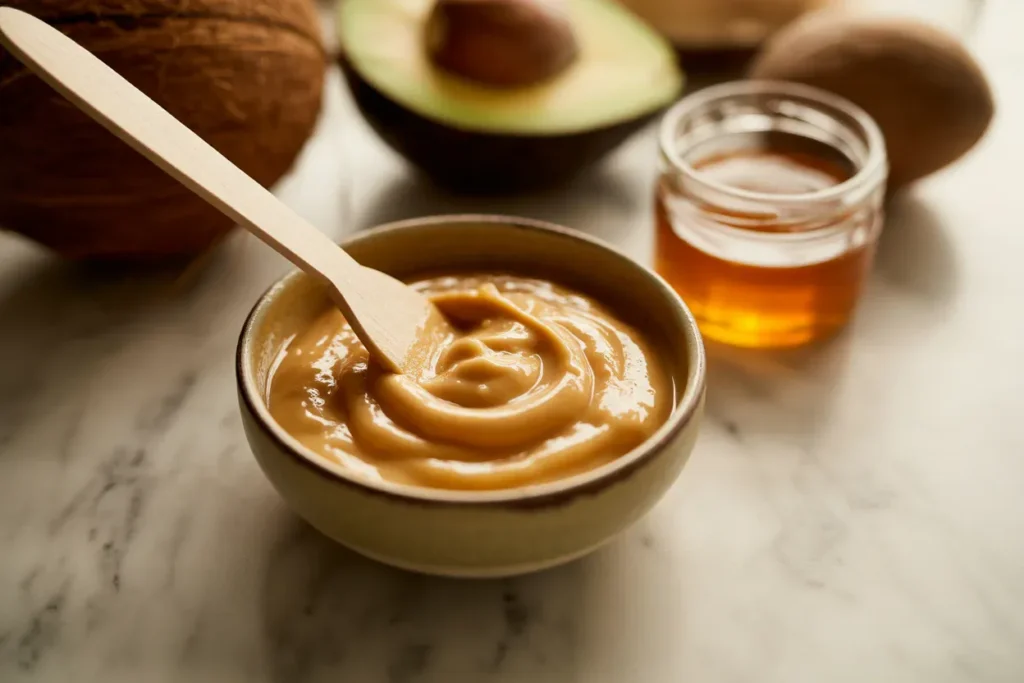
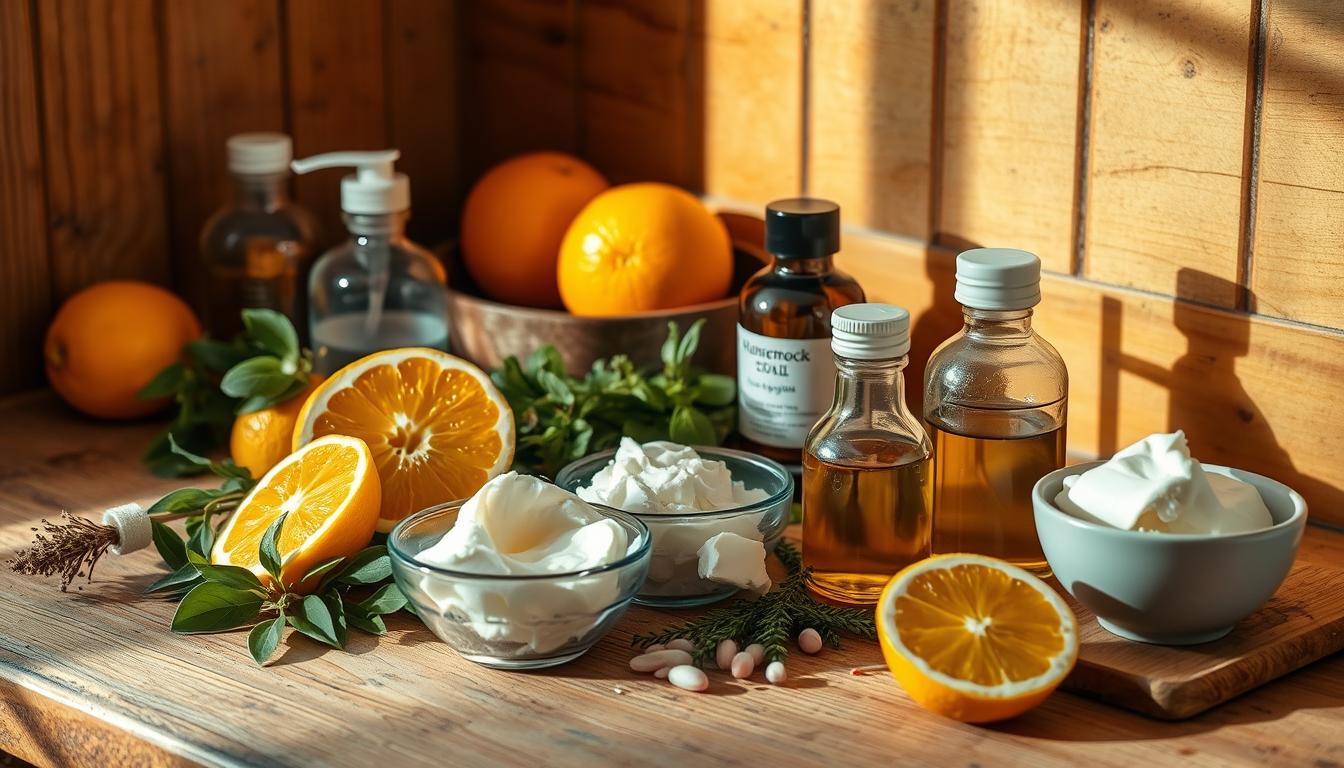
Your kitchen likely holds everything you need for effective hair treatments. These natural ingredients have been used for generations in hair wellness rituals around the world. If you’re interested in making your own homemade shampoo to complement your hair mask routine, we have easy DIY recipes for all hair types.
Here are some popular ingredients and what they bring to your homemade hair mask:
| Ingredient | Hair Type | What It Offers |
|---|---|---|
| Coconut Oil | Dry, thick hair | Deep moisture, softness |
| Avocado | All types, especially dry | Creamy conditioning, vitamins |
| Honey | All types | Natural humectant, shine |
| Banana | Dry, damaged hair | Smoothing, elasticity |
| Olive Oil | Dry, coarse hair | Rich conditioning, protection (learn more about olive oil for hair) |
| Yogurt | All types | Protein, gentle conditioning |
| Egg | Fine to normal hair | Protein, strength |
| Aloe Vera | All types, especially oily | Light hydration, soothing |
DIY Dry Hair Mask Recipes
The Avocado Dream Mask
This creamy treatment feels like spreading silk through your hair.
What You’ll Need:
- 1 ripe avocado
- 2 tablespoons olive oil
- 1 tablespoon honey
How to Make It:
- Mash the avocado until completely smooth
- Blend in the olive oil and honey
- Apply to damp hair, focusing on mid-lengths to ends
- Leave on for 20-30 minutes
- Rinse thoroughly with lukewarm water, then shampoo
Coconut Moisture Magic
Perfect for when your hair needs serious hydration.
What You’ll Need:
- 3 tablespoons coconut oil (melted)
- 1 tablespoon honey
- 1 egg yolk (optional, for extra conditioning)
How to Make It:
- Warm coconut oil gently until liquid
- Mix in honey until well combined
- Apply to dry or damp hair
- Cover with a shower cap
- Leave on for 30-45 minutes
- Shampoo well to remove all oil
Banana Silk Treatment
This mask leaves hair feeling remarkably soft.
What You’ll Need:
- 1 very ripe banana
- 2 tablespoons plain yogurt
- 1 tablespoon honey
- 1 tablespoon coconut or olive oil
How to Make It:
- Blend banana until completely smooth (no lumps!)
- Mix in remaining ingredients
- Apply to damp hair
- Leave for 20-30 minutes
- Rinse thoroughly with cool water
At Home Hair Mask for Different Hair Concerns
For Fine Hair That Needs Body
Light Protein Boost
- 1 egg white
- 1 tablespoon aloe vera gel
- 1 teaspoon lemon juice
Whip together and apply to clean, damp hair for 15 minutes. This lighter treatment won’t weigh down fine strands.
For Frizz-Prone Hair
Smoothing Treatment
- 2 tablespoons plain yogurt
- 1 tablespoon honey
- 1 tablespoon olive oil
- Few drops of your favorite essential oil (optional)
Mix well and apply from roots to tips. Leave for 20 minutes for smoother, more manageable hair.
DIY Hair Mask for Growth Support
While no topical treatment can guarantee hair growth, nourishing your scalp creates a healthy environment. This mask focuses on scalp wellness. For more insights on natural ingredients that support hair health, explore our guide on rosemary water for hair.
Scalp Nourishing Treatment
- 2 tablespoons castor oil (discover the benefits of organic castor oil)
- 1 tablespoon coconut oil
- 1 teaspoon honey
Massage gently into your scalp for 5 minutes before applying through your hair. The massage and nourishing oils can help maintain a comfortable and well-nourished scalp . Leave on for 30 minutes before washing.
How to Apply Your DIY Hair Mask

Getting the most from your at-home hair mask is about technique as much as ingredients:
Step 1: Start with the Right Canvas Apply most masks to damp (not dripping wet) hair. Your hair shaft is slightly open when damp, allowing better absorption.
Step 2: Section Your Hair Divide your hair into 4-6 sections. This ensures even coverage and prevents missing spots.
Step 3: Apply Generously Don’t be shy with your mixture. Make sure every strand is coated, focusing on the driest areas (usually mid-lengths to ends).
Step 4: Add Gentle Heat Cover your hair with a shower cap. For deeper conditioning, wrap a warm towel over the cap or sit in a sunny spot.
Step 5: Time It Right Most masks work well in 20-30 minutes. Very dry hair can benefit from longer treatments (up to an hour), but overnight isn’t necessary and can be messy.
Step 6: Rinse Thoroughly Use lukewarm water to rinse. If you used oil-heavy ingredients, shampoo once or twice to remove all residue.
Creating Your Hair Mask Routine
How Often Should You Use a DIY Hair Mask?
The sweet spot for most people is once a week. This gives your hair regular nourishment without overdoing it. Very dry hair might benefit from twice-weekly treatments, while fine hair might prefer every 10-14 days.
Best Day for Your Hair Mask Many people love making their hair mask part of a Sunday self-care ritual. Choose a day when you can relax and let the treatment work its magic without rushing.
Tips for DIY Hair Mask Success
Texture Matters Always blend your ingredients until completely smooth. Lumps (especially banana!) can be difficult to rinse out.
Temperature Check If using oils, warm them slightly for easier application. Test on your wrist to ensure they’re comfortably warm, not hot.
Patch Test First Even natural ingredients can cause reactions. Test a small amount on your inner arm 24 hours before your first use.
Fresh is Best Make only what you’ll use immediately. These natural masks don’t contain preservatives and won’t keep.
Storage Solutions If you must store leftover mixture, keep it refrigerated and use within 24 hours.
Ingredients to Approach with Awareness
Lemon Juice While it adds shine, it can be drying and may lighten colored hair. Use sparingly and not before sun exposure.
Cinnamon and Other Spices These can irritate sensitive scalps. Always do a patch test first.
Essential Oils Use only 2-3 drops per mask. More isn’t better and can irritate your skin.
DIY Hair Mask Combinations to Try
The Quick Morning Boost
When you only have 15 minutes:
- 2 tablespoons Greek yogurt
- 1 teaspoon honey
- 1 teaspoon olive oil
The Deep Weekend Treatment
For maximum pampering:
- ½ avocado, mashed
- 1 egg yolk
- 2 tablespoons coconut oil
- 1 tablespoon honey
The Protein Strengthener
For hair that needs structure:
- 1 whole egg
- 1 tablespoon olive oil
- 1 tablespoon plain yogurt
The Summer Soother
Light and refreshing:
- 3 tablespoons aloe vera gel
- 1 tablespoon honey
- 1 teaspoon coconut oil
Seasonal Hair Mask Adjustments
Winter Months Cold, dry air calls for richer treatments. Increase oil content and apply masks more frequently.
Summer Season Lighter masks with aloe vera and yogurt feel refreshing and won’t weigh down hair in humidity.
Spring Renewal After harsh winter conditions, focus on restoring moisture balance with balanced oil and protein treatments.
Fall Preparation Start building moisture reserves with weekly deep conditioning treatments before winter arrives.
Common Questions About DIY Hair Masks
Q: Can I sleep in a hair mask overnight? A: While possible, it’s usually unnecessary. Most ingredients penetrate within 30-60 minutes. Overnight treatments can be messy and may not provide additional benefits.
Q: Will these masks help with hair thickness? A: These treatments nourish existing hair, potentially making it appear fuller and healthier. However, they don’t change the number of hair follicles you have.
Q: How do I remove oil-based masks completely? A: Apply shampoo directly to oily hair before wetting it. Massage well, then rinse and repeat if needed. This helps cut through the oil more effectively.
Q: Can I use these masks on color-treated hair? A: Yes! Most of these ingredients are gentle. However, avoid lemon juice which may lighten color, and always use lukewarm (not hot) water to prevent color fading.
Q: My hair feels heavy after using masks. What should I do? A: You might be using too much product or ingredients too rich for your hair type. Try lighter options like aloe vera and yogurt, or reduce the amount you apply.
Q: Are DIY masks safe for all hair types? A: Most ingredients are gentle for all hair types, but individual reactions vary. Always patch test new ingredients, especially if you have sensitive skin.
Q: Can kids use these hair masks? A: Yes, these natural ingredients are generally safe for children. Just ensure they don’t have allergies to any components and supervise application.
Q: Will masks fix split ends? A: No treatment can repair split ends—only trimming removes them. However, regular conditioning can help prevent new splits from forming.
Beyond the Mask: Supporting Your Hair Wellness
Your DIY hair mask is most effective as part of an overall hair wellness approach. Pair your masks with quality natural shampoo and conditioner for a complete organic haircare routine.
Gentle Handling Treat wet hair carefully—it’s more vulnerable to damage. Use wide-tooth combs and avoid rough towel drying.
Heat Protection When using hot tools, give your hair a break or use the lowest effective temperature.
Scalp Care Healthy hair starts at the scalp. Gentle massage during washing improves circulation and feels wonderful. Consider incorporating argan oil hair masks into your rotation for extra nourishment.
Hydration and Nutrition What you put in your body affects your hair too. Staying hydrated and eating varied, nutritious foods supports overall hair health. Your hair wellness is connected to your overall well-being—sipping on antioxidant-rich green tea or warming chai tea can be part of a holistic approach to beauty from within.
Regular Trims Removing split ends every 8-12 weeks helps maintain hair health and prevents damage from traveling up the hair shaft.
Making It Your Own
The beauty of creating your own at-home hair mask is experimentation. Start with these recipes, then adjust based on how your hair responds. Maybe your hair loves avocado but finds coconut oil too heavy. Perhaps you prefer the scent of almond oil over olive oil.
Keep notes on what you try and how your hair feels afterward. Over time, you’ll develop your signature blend that works perfectly for your unique hair.
The Wellness Ritual
More than just a beauty treatment, your DIY hair mask routine is time set aside for yourself. It’s the gentle mixing of natural ingredients, the soothing application, the quiet time while it works its magic. In our busy lives, these moments of self-care matter.
Light a candle, play your favorite music, or simply enjoy the silence. Your hair mask is working, and you’re taking care of yourself—that’s what makes these homemade treatments truly special.
A Gentle Reminder
These DIY hair masks offer a wonderful way to nourish your hair with simple, kitchen-friendly ingredients. While many people enjoy beautiful results, remember that hair care is personal. What works wonderfully for one person might not suit another. Listen to your hair, adjust as needed, and enjoy the process of discovering what makes your hair feel its best.
If you have concerns about your hair or scalp health, consider consulting with a dermatologist or trichologist who can provide personalized guidance.
Have you tried making your own hair masks? We’d love to hear about your favorite combinations and discoveries in the comments below!
Written by Doo & Rita
Doo and Rita are sisters, herbal wellness enthusiasts, and DIY beauty lovers who explore plant-based ingredients through hands-on experiments. We share tips and recipes we personally test, always with a gentle, nature-first approach.
Disclaimer: All content is for educational purposes only. We are not medical professionals. Always patch test new ingredients. Contact: [email protected]