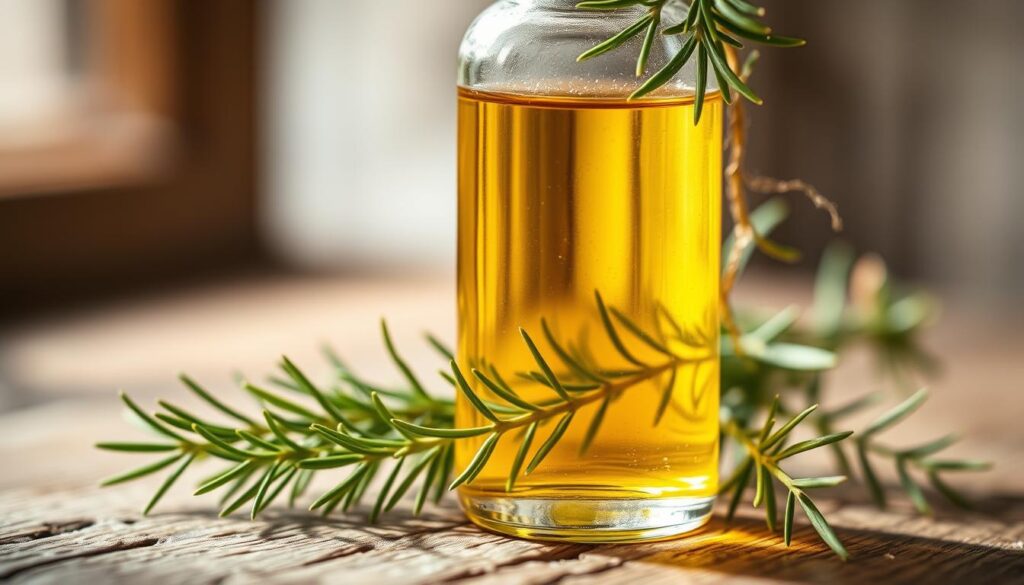

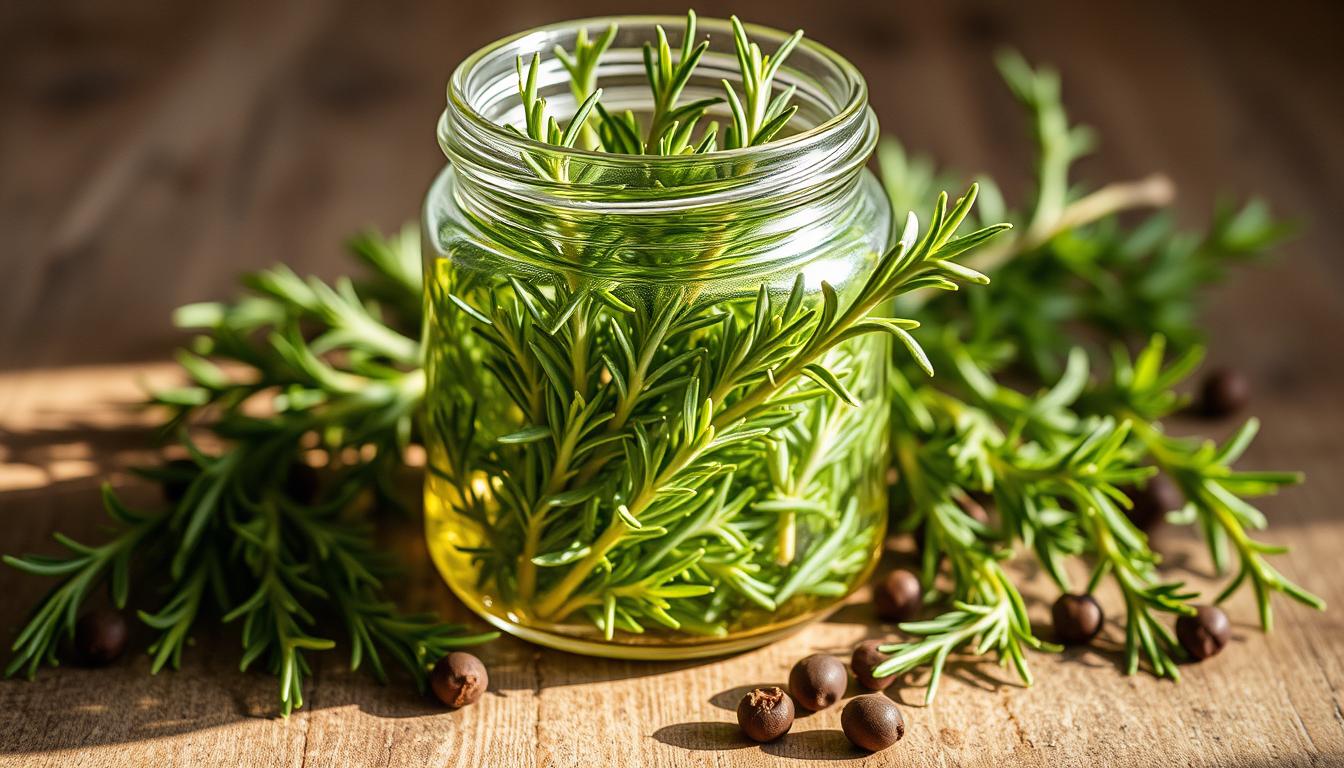
How to make rosemary oil

How to Make Rosemary Oil: Quick Guide for Beginners

Spread the love

Last Updated: January 2026

Jump to Recipe | Cold Infusion Recipe | Heat Infusion Recipe | Hair Care Recipes

Quick Answer: How to make rosemary oil? To make rosemary oil at home, combine 1/4 cup dried rosemary with 1 cup carrier oil (olive, coconut, or jojoba) in a glass jar. For cold infusion, store in a dark place for 2-4 weeks, shaking daily. For quick infusion, gently heat using a double boiler for 2-3 hours at 100-120°F. Strain and store in dark glass bottles for up to 12 months.


Learning how to make rosemary oil at home opens up a world of possibilities for your personal care routine. This aromatic botanical infusion has been valued for generations as a versatile addition to both culinary creations and beauty regimens. When you make rosemary oil yourself, you control every ingredient, ensuring a pure, chemical-free product tailored to your specific needs.

Creating your own rosemary-infused oil is remarkably straightforward—you’ll simply steep fresh or dried rosemary leaves in your preferred carrier oil. The result is a fragrant, nutrient-rich infusion that integrates beautifully into natural haircare routines and natural skincare practices. Whether you’re interested in how to make rosemary oil for hair or how to make oil from rosemary plant for body care, this comprehensive guide walks you through each step.

This post contains affiliate links.

At a Glance:

  • ⏱️ Cold Infusion: 2-6 weeks | Best for maximum potency
  • Quick Method: 2-3 hours | Ready same day
  • 💰 Cost: $7 homemade vs $10-20 store-bought
  • 📦 Shelf Life: 6-12 months properly stored
  • 🌿 Best Uses: Hair care, scalp health, skincare, aromatherapy

Benefits of Homemade Rosemary Oil

Key Takeaways:

  • ✅ 100% natural, no synthetic additives or preservatives
  • ✅ 70% cost savings compared to commercial products
  • ✅ Customizable potency and carrier oil selection
  • ✅ Fresher than store-bought alternatives
  • ✅ Multipurpose use: hair, skin, aromatherapy

Creating rosemary oil in your own kitchen delivers impressive advantages, from preserving the herb’s natural characteristics to significant savings compared to commercial alternatives. This DIY approach empowers you to craft a personalized infusion that aligns perfectly with your herbal wellness goals.

Natural properties of rosemary

When you prepare rosemary oil at home, you preserve the herb’s inherent qualities in their purest form. The infusion process captures rosemary’s characteristic compounds—including carnosic acid, rosmarinic acid, and essential volatile oils—that contribute to the herb’s reputation in traditional beauty practices. Your homemade version remains free from synthetic fragrances, petroleum-based fillers, stabilizers, and artificial preservatives commonly found in mass-produced products.

Rosemary has been cherished across cultures for centuries. Its woody, pine-like aroma provides an invigorating sensory experience, while its traditional uses span from culinary seasoning to topical applications. When infused properly, the resulting oil carries these botanical properties forward, creating a multi-purpose product suitable for scalp massages, skin moisturizing, and aromatherapy.

Cost-Effectiveness vs. Store-Bought Options

The financial benefits of making your own rosemary oil become clear when comparing ingredient costs to retail prices:

ItemCost for HomemadeCost for Store-Bought
Rosemary$2 (fresh or dried)$10-$20 (per bottle)
Carrier Oil$5 (per bottle)Included in retail price
Total$7 (makes multiple batches)$10-$20 (single bottle)

This comparison reveals substantial savings—your initial $7 investment yields enough materials to create several batches of rosemary oil, while a single commercial bottle typically costs $10-$20. Over time, these savings accumulate significantly, especially if you use rosemary oil regularly in your natural body care routine.

Beyond monetary savings, homemade rosemary oil offers customization that pre-made products cannot match. You select the carrier oil that best suits your hair type or skin needs, adjust the rosemary concentration for desired potency, and ensure absolute freshness with each new batch.

How to Make Rosemary Oil : Essential Ingredients and Tools

Starting your journey of how to make oil with rosemary requires minimal supplies—just quality botanicals and basic kitchen equipment. The right foundation ingredients determine your final product’s effectiveness and longevity.

Advanced Tools for Herbal Infusions (Optional)

While traditional methods work beautifully for occasional batches, some enthusiasts who regularly create herbal infusions invest in specialized equipment to streamline the process. Dedicated infusion machines automate temperature control and timing, which proves convenient for those preparing larger quantities or experimenting with multiple herbal blends simultaneously.

View Magical Butter MB2E Herbal Infusion Machine on Amazon

Amazon Disclosure:
As an Amazon Associate, I earn from qualifying purchases.

These machines are entirely optional—the traditional jar method works perfectly well for beginners and provides excellent results.

Selecting Quality Rosemary

Your rosemary oil’s potency begins with the herb itself. When selecting rosemary, prioritize stems with vibrant green leaves that release a strong, pleasant aroma when gently rubbed between your fingers. Avoid any sprigs showing brown discoloration, wilting, or musty odors, as these indicate age or improper storage.

Fresh rosemary from your garden or farmers market offers peak vitality, though it requires proper drying before infusion to prevent moisture-related spoilage. Alternatively, high-quality dried rosemary from reputable suppliers provides consistency and convenience—the dehydration process is already complete, and the herb stores easily for months.

For those growing their own herbs, harvest rosemary from established plants that haven’t been treated with pesticides or chemical fertilizers. Organic rosemary ensures your infusion remains completely natural from start to finish.

Choosing the Right Carrier Oil : How To Make Rosemary Oil?

Carrier oils dilute and transport rosemary’s concentrated compounds, making them safe for topical application. Each carrier oil brings distinct benefits:

Olive Oil: A kitchen staple that’s readily available and affordable. Extra virgin olive oil contains beneficial fatty acids and works beautifully for both culinary and cosmetic applications. Its slightly heavier texture makes it ideal for scalp massages and intensive hair treatments.

Coconut Oil: Solid at room temperature but melts upon contact with skin. Virgin coconut oil penetrates hair shafts effectively and provides lightweight moisture. It’s particularly popular in natural haircare formulations.

Jojoba Oil: Technically a liquid wax ester that closely mimics skin’s natural sebum. Jojoba absorbs quickly without leaving greasy residue, making it excellent for facial applications and scalp care. Its long shelf life also helps preserve your rosemary infusion.

Sweet Almond Oil: Light, easily absorbed, and suitable for most skin types. This gentle carrier oil works well when you’re creating rosemary oil for full-body moisturizing or massage.

Choose your carrier oil based on your primary intended use. For how to make rosemary oil for hair applications, coconut or olive oil typically performs best. For natural skincare purposes, jojoba or sweet almond oil may be preferable.

Equipment Needed

Gather these basic supplies before beginning:

EquipmentPurpose
Mason JarPrimary vessel for infusing rosemary in carrier oil; clear glass allows monitoring
Measuring CupEnsures accurate ratios of herbs to oil for optimal potency
Cheesecloth or Fine-Mesh StrainerFilters out plant material, leaving only pure infused oil
Dark Glass BottlesFinal storage containers that protect oil from light degradation
FunnelSimplifies transfer of finished oil into storage bottles
LabelsTracks preparation date and ingredients for freshness monitoring

Most households already have these items, making this project accessible without special purchases.
Preparing Your Rosemary

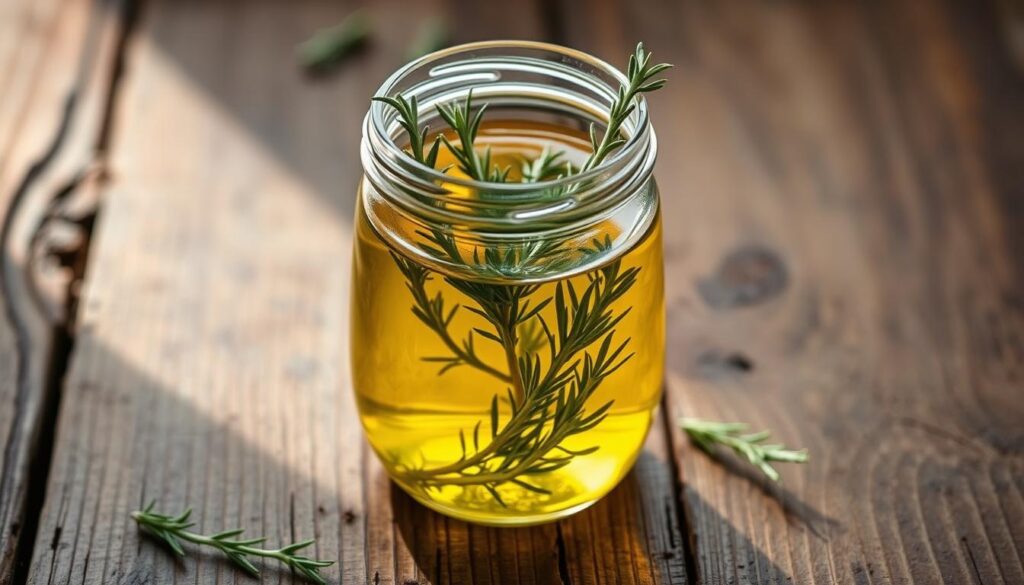
Proper preparation of your rosemary directly influences the quality, safety, and effectiveness of your finished oil. This stage removes potential contaminants and optimizes the herb’s surface area for maximum infusion.

When working with fresh rosemary, gently breaking down the leaves before infusion helps release the plant’s aromatic compounds and improves oil penetration. Some people prefer using a compact electric herb grinder to make this preparation step quicker and more uniform, especially when processing larger quantities.

See the compact herb grinder on Amazon →

Amazon Disclosure:
As an Amazon Associate, I earn from qualifying purchases.

Manual preparation works equally well—simply strip leaves from stems and lightly bruise them between your fingers or chop coarsely with a knife.

Harvesting Fresh Rosemary

If you’re growing rosemary at home, harvest during peak vitality for the most potent infusion. The optimal harvesting window occurs mid-morning—after dew has evaporated but before intense midday heat diminishes the plant’s volatile oils.

Select stems that appear healthy, with firm leaves showing vibrant green color and no brown spotting. Using clean, sharp pruning shears or scissors, cut stems just above a leaf node (the point where leaves emerge from the stem). This pruning technique encourages bushier growth and provides more harvests throughout the growing season.

Harvest only what you’ll use within a few days, as fresh rosemary begins losing potency once cut. For long-term projects or multiple batches, consider drying your harvest immediately after gathering.

Cleaning and Drying Techniques

Freshly harvested or purchased rosemary may harbor dust, dirt particles, or tiny insects, making thorough cleaning essential:

  1. Initial rinse: Hold stems under cool running water, gently agitating leaves to dislodge debris
  2. Inspection: Examine leaves closely, removing any damaged, discolored, or spotted foliage
  3. Moisture removal: Shake stems vigorously to remove excess water, then pat gently with clean towels
  4. Air drying: This step is crucial for preventing mold in your oil infusion

For proper air drying, you have several options:

Bundle hanging: Tie 4-6 stems together with twine and suspend upside down in a warm, dry location with good air circulation. This traditional method takes 1-2 weeks depending on humidity levels.

Flat drying: Spread individual leaves in a single layer on clean paper towels or drying screens. Rotate leaves daily to ensure even drying. This method typically completes in 5-7 days.

Dehydrator drying: If you own a food dehydrator, set it to the lowest temperature setting (95-105°F) and dry rosemary for 2-4 hours, checking periodically.

Rosemary is sufficiently dry when leaves crumble easily between your fingers and stems snap cleanly rather than bending. Any remaining moisture can cause bacterial growth or mold in your infused oil, so ensure complete dryness before proceeding.

Using Dried vs. Fresh Rosemary

Both fresh and dried rosemary produce excellent infusions, though each presents distinct considerations:

Dried Rosemary Advantages:

  • Eliminates moisture-related spoilage risks
  • Provides consistent potency year-round
  • Stores compactly for extended periods
  • Ready to use immediately without preparation time
  • Generally recommended for beginners learning how to make oil from rosemary plant

Fresh Rosemary Advantages:

  • Offers peak aromatic intensity when properly prepared
  • Provides a vibrant, garden-fresh quality
  • May contain slightly higher concentrations of certain volatile compounds
  • Creates a more “alive” sensory experience

The key difference lies in moisture content. Fresh rosemary contains approximately 70% water, which must be eliminated through thorough drying before infusion. If you use fresh rosemary without proper drying, that moisture will transfer into your carrier oil, creating an environment where bacteria and mold thrive.

For this reason, even when starting with fresh-cut rosemary, complete drying remains essential. The exception is the quick heat infusion method, where you heat the oil mixture immediately to evaporate moisture—though even this approach carries slightly higher risk than using pre-dried herbs.

How to Make Rosemary Oil: Cold Infusion Method

The cold infusion technique represents the most traditional and gentlest approach to creating botanical oils. This patient process allows time for the carrier oil to thoroughly extract and absorb rosemary’s beneficial compounds without heat-induced degradation.

Step-by-Step Process

This method requires minimal active work but demands patience as the infusion develops over several weeks:

1. Prepare your rosemary: Use completely dried rosemary leaves, either homegrown or purchased. If starting with fresh rosemary, follow the drying procedures outlined in the previous section. Once fully dried, lightly crush or chop the leaves to increase surface area.

2. Select and prepare your container: Choose a clean, dry mason jar or glass container with a tight-fitting lid. Avoid plastic containers, as they may interact with the oil over time. Sterilize the jar by washing in hot, soapy water, rinsing thoroughly, and allowing it to air dry completely.

3. Fill with rosemary: Add dried rosemary to fill approximately one-third to one-half of the jar. The standard ratio is roughly 1 part dried rosemary to 3 parts carrier oil, though this can be adjusted based on desired potency.

4. Add carrier oil: Pour your chosen carrier oil over the rosemary, filling the jar to within one inch of the rim. Ensure all plant material is completely submerged—any exposed leaves may develop mold. Use a clean chopstick or spoon to gently press down rosemary that floats to the surface.

5. Seal and label: Close the jar tightly and affix a label noting the preparation date, ingredients, and oil type. This tracking proves essential for monitoring freshness.

6. Store appropriately: Place the sealed jar in a cool, dark location such as a pantry, cupboard, or closet. Direct sunlight and heat degrade the oil’s quality and shorten shelf life. Room temperature (65-75°F) works ideally.

7. Agitate daily: Shake or gently swirl the jar once daily to redistribute the plant material and promote even infusion. This simple action helps prevent settling and ensures consistent extraction throughout the mixture.

8. Monitor progress: After one week, open the jar and smell the oil—it should begin developing rosemary’s characteristic aroma. Check that all plant material remains submerged and no mold has formed. Reseal and continue the infusion process.

9. Complete the infusion: Allow the mixture to infuse for a minimum of 2 weeks, though 4-6 weeks produces a more robust final product. The longer infusion time allows for deeper extraction of rosemary’s compounds.

10. Strain thoroughly: Once the infusion period concludes, strain the oil through several layers of cheesecloth or a fine-mesh strainer into a clean container. Squeeze the cloth to extract all possible oil from the plant material. For even finer filtration, strain a second time through a coffee filter.

11. Store the finished product: Transfer your completed rosemary oil into dark glass bottles using a funnel. Amber or cobalt blue bottles offer the best light protection. Label with the completion date and store in a cool, dark place.

Tips for Best Results

Maximize your cold infusion success with these practical recommendations:

Ensure complete submersion: Plant material floating above the oil line will oxidize and potentially develop mold. If rosemary keeps floating despite pressing down, add slightly more carrier oil to ensure coverage.

Maintain sterile conditions: Any contamination introduced during preparation can compromise the entire batch. Wash hands thoroughly before handling materials, and ensure all equipment is clean and completely dry.

Choose complementary carrier oils: Consider your end use when selecting the base oil. For example, when creating rosemary oil specifically for natural haircare applications, coconut or olive oil typically performs better than lighter alternatives.

Avoid temperature extremes: While you want a dark storage location, avoid areas that experience significant temperature fluctuations, such as near heating vents or in uninsulated spaces. Consistent room temperature preserves oil quality.

Consider double infusions: For exceptionally potent rosemary oil, some herbalists perform a second infusion. After straining the first batch, add fresh dried rosemary to the already-infused oil and repeat the entire process. This technique, sometimes called “double-infused” or “twice-infused” oil, creates a more concentrated final product.

Test for readiness: Before the minimum 2-week mark, the oil may appear clear or only lightly tinted. As infusion progresses, it should take on a golden to greenish hue and develop a strong rosemary scent. If the aroma seems weak after 3-4 weeks, extend the infusion time or consider that your rosemary may have been older and less potent.

Expected Timeline

Understanding the infusion timeline helps set appropriate expectations:

  • Week 1: Initial color change becomes visible; light rosemary scent begins developing
  • Week 2: Minimum infusion period; oil is usable but may have moderate potency
  • Week 3-4: Optimal infusion period for most applications; strong aroma and color develop
  • Week 5-6: Maximum potency achieved; longer infusion beyond this point provides diminishing returns
  • Week 7+: Extended infusion generally offers no additional benefits and may begin degrading quality

Most practitioners find the 3-4 week mark provides the best balance between potency and practical timeframe. However, if you’re patient and not pressed for time, allowing a full 6-week infusion creates the most robust product for incorporating into herbal wellness routines.

Quick Heat Infusion Techniques

When you need rosemary oil more quickly than the cold infusion method allows, heat-based techniques offer faster alternatives. These approaches use gentle warming to accelerate the extraction process, producing usable oil within hours rather than weeks.

Heat infusion methods work particularly well when you’re learning how to make oil with rosemary for the first time and want to see results quickly, or when you’ve run out of your regular supply and need a fresh batch immediately.

Stovetop Method

This straightforward technique uses your kitchen stove to gently warm the rosemary-oil mixture:

Instructions:

  1. Place dried rosemary and carrier oil in a small saucepan using the same ratio as cold infusion (approximately 1 part rosemary to 3 parts oil)
  2. Position the pan on your smallest burner set to the lowest possible heat setting
  3. Warm the mixture gently, stirring occasionally with a wooden spoon or heat-resistant spatula
  4. Monitor temperature carefully—the oil should feel warm to the touch but never hot, smoking, or bubbling vigorously. Ideal temperature ranges between 100-120°F
  5. Maintain gentle heat for 2-3 hours, stirring every 20-30 minutes to prevent scorching and promote even extraction
  6. Remove from heat and allow to cool to room temperature
  7. Strain through cheesecloth or a fine-mesh strainer into a clean container

Cautions: Never leave heating oil unattended. Excessive heat destroys rosemary’s delicate compounds and can create a burnt odor that ruins the entire batch. A kitchen thermometer helps maintain proper temperature if you’re uncertain about heat levels.

Double Boiler Technique

The double boiler method provides more controlled, even heating with reduced risk of overheating:

Instructions:

  1. Fill a medium saucepan with 2-3 inches of water and bring to a gentle simmer
  2. Place rosemary and carrier oil in a heat-safe glass or ceramic bowl that fits snugly on top of the saucepan without touching the water below
  3. Position the bowl over the simmering water, creating a “double boiler” setup where steam provides indirect heat
  4. Stir the mixture occasionally as the steam gently warms the oil from below
  5. Maintain this setup for 2-3 hours, monitoring water levels and adding more if needed to prevent the lower pan from boiling dry
  6. The oil temperature should remain moderate—warm but not hot to touch
  7. After the infusion period, remove from heat, allow to cool, and strain thoroughly

This technique offers more temperature stability than direct stovetop heating, making it ideal for beginners worried about scorching their infusion. The indirect heat prevents hot spots and provides gentle, even extraction similar to professional herbalist methods.

Solar Infusion Alternative

Solar infusion bridges traditional cold infusion with heat techniques, harnessing natural sunlight for gentle warming:

Instructions:

  1. Prepare rosemary and carrier oil in a clear glass mason jar as you would for cold infusion
  2. Seal tightly and place in a location receiving direct, full sunlight for most of the day—a sunny windowsill, outdoor table, or greenhouse shelf works well
  3. Allow the jar to absorb solar warmth for 2-4 weeks, shaking daily to redistribute plant material
  4. The sun’s gentle, consistent heat accelerates infusion compared to cool, dark storage while avoiding the degradation risks of stovetop methods
  5. Strain once the infusion develops strong color and aroma

Benefits: Solar infusion combines the gentle approach of cold infusion with moderate heat acceleration. It requires no active heating equipment or energy consumption, making it an eco-friendly option. The natural light-and-warmth cycle creates a rhythmic infusion process many herbalists find ideal.

Considerations: Solar infusion works best in warm, sunny climates or during summer months. In cooler seasons or cloudy regions, this method may take longer or prove impractical. Additionally, while some sunlight benefits the infusion process during this stage, remember that finished, strained rosemary oil should always be stored away from light to prevent degradation.

Each heat infusion technique offers distinct advantages. Choose based on your available time, equipment, climate, and comfort level with the process. Regardless of which method you select, you’ll create quality rosemary oil suitable for natural body care applications in a fraction of the time required for traditional cold infusion.

For your first attempt at how to make rosemary oil for hair or other uses, the double boiler technique often provides the most forgiving learning experience with reliable results.

Using Rosemary Oil for Hair Growth and Care

Understanding how to make rosemary oil for hair applications opens new possibilities for natural hair maintenance routines. This botanical infusion has earned a valued place in traditional hair care practices across numerous cultures, appreciated for its aromatic properties and traditional associations with scalp vitality.

The preparation method for rosemary oil remains consistent regardless of intended use—you’ll simply focus on selecting a carrier oil that complements hair health. Lighter oils like jojoba penetrate easily for fine hair, while richer options like olive or coconut oil suit thicker, coarser textures.

For those who prefer ready-made options over DIY preparation, commercially formulated rosemary hair products are available. The Mielle Rosemary Mint Hair Oil, for instance, is a popular choice that many people incorporate into regular scalp care routines.

Popular Ready-Made Option:

Check Availability →

Amazon Disclosure:
As an Amazon Associate, I earn from qualifying purchases. Product availability and pricing are subject to change. Please check current stock and prices on Amazon.

Scientific Evidence for Hair Benefits

Research into rosemary’s effects on hair has produced encouraging findings, though it’s important to understand what science actually shows versus common exaggerations:

A 2015 study published in SKINmed compared rosemary oil to minoxidil (a conventional hair growth product) in individuals experiencing androgenetic alopecia. After six months, both groups showed increases in hair count, with rosemary oil performing comparably to the pharmaceutical option. Participants using rosemary oil reported less scalp itching than the minoxidil group.

Additional research suggests rosemary’s carnosic acid may help rejuvenate nerve endings in the scalp, potentially supporting healthy follicle function. Laboratory studies indicate rosemary extracts may inhibit certain processes associated with hair thinning, though more human research is needed to confirm these mechanisms.

It’s essential to approach these findings with appropriate perspective. While research shows promise, rosemary oil isn’t a guaranteed solution for all hair concerns. Results vary significantly between individuals based on genetics, overall health, hair type, and the underlying causes of any hair changes. People experiencing significant or sudden hair loss should consult healthcare providers to rule out nutritional deficiencies, hormonal imbalances, or medical conditions requiring professional attention.

What we can say with confidence: many people report positive experiences incorporating rosemary oil into their natural haircare routines, noting improvements in scalp comfort, hair appearance, and texture over time with consistent use.

Application Methods for Hair Growth

Integrating rosemary oil into your hair care routine requires just a few simple techniques:

Diluted Scalp Massage: Combine 3-5 drops of your homemade rosemary oil with 1-2 tablespoons of carrier oil (if your rosemary infusion uses a heavier carrier, you might dilute further with a lighter oil like jojoba). Warm the blend slightly by rubbing between your palms. Part your hair into sections and massage the oil directly onto your scalp using gentle circular motions. Work systematically across your entire scalp, spending 5-10 minutes on the massage to stimulate circulation. Leave on for at least 30 minutes, or overnight for intensive treatment, before shampooing out.

Shampoo Enhancement: Add 2-3 drops of rosemary-infused oil per ounce of your regular shampoo. This subtle enhancement infuses each wash with rosemary’s properties without requiring additional steps in your routine. Shake the shampoo bottle well before each use to redistribute the oil.

Conditioner Boost: Mix rosemary oil into your conditioner using similar proportions as the shampoo method. Apply as usual, allowing the conditioner to sit on hair for 3-5 minutes before rinsing. This approach deposits rosemary’s compounds along the hair shaft while conditioning.

Hair Rinse: After shampooing, mix 5-10 drops of rosemary oil into 2 cups of warm water. Pour this mixture slowly over your hair and scalp as a final rinse, gently massaging it through. Allow it to sit for 1-2 minutes before a final cool water rinse. This technique leaves hair feeling refreshed with a subtle herbal scent.

Pre-Shampoo Treatment: Apply rosemary oil generously to dry hair and scalp before washing. Cover with a shower cap and leave on for 30-60 minutes (or overnight). This intensive pre-wash treatment allows maximum absorption time before cleansing removes excess oil.

Consistency matters more than intensive but sporadic application. Regular use—2-3 times weekly for scalp massage or daily addition to your shampoo—typically produces more noticeable results than occasional intensive treatments.

DIY Hair Care with Rosemary Oil

Create customized hair care by combining rosemary oil with complementary ingredients. Here are professionally formulated recipes optimized for maximum effectiveness:


📖 Recipe 1: Deep Conditioning Rosemary Hair Mask

Prep Time: 5 minutes
Treatment Time: 30-60 minutes
Yield: 1 treatment
Hair Type: All types, especially dry or damaged hair

Ingredients:

  • 2 tablespoons coconut oil (melted to liquid state)
  • 1 tablespoon rosemary-infused oil
  • 1 tablespoon raw honey
  • 5 drops lavender essential oil (optional, for added relaxation)
  • 1 egg yolk (optional, for extra protein)

Instructions:

  1. Melt coconut oil: If solid, warm gently in microwave for 10-15 seconds or place container in warm water until liquefied.
  2. Combine ingredients: Mix coconut oil, rosemary oil, honey, and optional additions in a small bowl. Stir until honey fully dissolves and mixture is uniform.
  3. Apply to dry hair: Section hair into 4-6 parts. Apply mixture generously from scalp to ends, ensuring complete coverage.
  4. Massage scalp: Spend 3-5 minutes massaging the mixture into your scalp using circular motions to stimulate circulation.
  5. Cover and wait: Wrap hair in a shower cap or warm towel. Leave on for minimum 30 minutes (60 minutes or overnight for intensive treatment).
  6. Rinse thoroughly: Rinse with warm water first, then shampoo 1-2 times to remove all oil residue. Finish with cool water rinse.
  7. Frequency: Use weekly for damaged hair, bi-weekly for maintenance.

Recipe Notes:

  • Warming tip: Slightly warming the mixture (not hot) enhances penetration and creates a spa-like experience.
  • Protein boost: The optional egg yolk adds strengthening protein—ideal for fine or thinning hair.
  • Storage: This mask doesn’t store well. Mix fresh for each use.

📖 Recipe 2: Scalp-Soothing Rosemary & Olive Oil Treatment

Prep Time: 5 minutes
Treatment Time: 45-60 minutes
Yield: 1-2 treatments
Best For: Dry, itchy, or flaky scalps

Ingredients:

  • 3 tablespoons extra virgin olive oil
  • 2 tablespoons rosemary-infused oil
  • 1 teaspoon jojoba oil
  • 5-7 drops tea tree essential oil (optional, for additional scalp support)
  • 1/2 teaspoon apple cider vinegar (optional, for pH balance)

Instructions:

  1. Warm the oils: Combine olive oil, rosemary oil, and jojoba oil in a small bowl. Warm by placing bowl in larger bowl of hot water for 2-3 minutes (oil should feel comfortably warm, not hot).
  2. Add finishing touches: Stir in optional tea tree oil and apple cider vinegar if using.
  3. Part and apply: Create multiple parts throughout hair. Use fingertips or dropper to apply oil directly to scalp along each part.
  4. Massage thoroughly: Using fingertips (not nails), massage oil into entire scalp for 5-10 minutes. Focus on any particularly dry or irritated areas.
  5. Distribute through hair: Run remaining oil through hair lengths if desired (optional—keep treatment focused on scalp for oily hair types).
  6. Cover and relax: Cover with shower cap. Leave on for 45-60 minutes while relaxing. The warmth from your head enhances absorption.
  7. Cleanse: Shampoo thoroughly 1-2 times. You may need a clarifying shampoo for complete oil removal.
  8. Frequency: Use 2-3 times weekly for problem scalps, weekly for maintenance.

Recipe Notes:

  • Scalp-focused: This treatment targets the scalp specifically. Those with oily roots can keep oil away from hair lengths.
  • Tea tree power: The optional tea tree oil provides additional traditional scalp benefits.
  • Make ahead: This mixture stores well. Double or triple the recipe and keep in a dark bottle for up to 2 weeks.

📖 Recipe 3: Leave-In Rosemary Hair & Scalp Tonic

Prep Time: 5 minutes
Yield: Approximately 4 oz (15-20 applications)
Storage: Up to 4 weeks refrigerated
Best For: Daily scalp care and hair refreshment

Ingredients:

  • 1/4 cup (60ml) rosemary-infused oil
  • 1/4 cup (60ml) pure aloe vera gel (not aloe juice)
  • 2 tablespoons distilled water
  • 10 drops peppermint essential oil (for tingling sensation)
  • 5 drops rosemary essential oil (boosts potency)
  • 1/2 teaspoon vegetable glycerin (helps emulsify)
  • Optional: 5 drops vitamin E oil (preservative)

Instructions:

  1. Combine base ingredients: In a small bottle or jar, add rosemary-infused oil, aloe vera gel, and distilled water.
  2. Add enhancers: Add peppermint oil, rosemary essential oil, and glycerin.
  3. Shake vigorously: Cap bottle and shake for 30-60 seconds until ingredients emulsify into a milky consistency.
  4. Let settle: Allow to sit for 5 minutes, then shake again before first use.
  5. Apply to scalp: After washing and towel-drying hair, part into sections. Apply 5-10 drops of tonic directly to scalp along each part.
  6. Massage in: Use fingertips to massage tonic into scalp for 1-2 minutes.
  7. Do not rinse: Leave in and style as usual. The light formula won’t leave hair greasy.
  8. Daily application: Use daily or every other day for best results. Shake well before each use as ingredients may separate.

Recipe Notes:

  • Emulsification: The glycerin helps oil and water blend, but they’ll still separate somewhat—this is normal. Always shake before use.
  • Peppermint tingle: The peppermint creates an invigorating, cooling sensation. Reduce to 5 drops if too intense.
  • Storage is key: Store in refrigerator to extend freshness to 4 weeks. The aloe vera can spoil at room temperature.
  • Application tool: Use a dropper bottle or squeeze bottle with pointed tip for precise scalp application.
  • Light and non-greasy: This formula absorbs quickly and won’t weigh hair down or make it appear oily.

📖 Recipe 4: Intensive Rosemary Protein Hair Treatment

Prep Time: 10 minutes
Treatment Time: 20-30 minutes
Yield: 1 treatment
Best For: Weak, breaking, or chemically-treated hair

Ingredients:

  • 2 tablespoons rosemary-infused oil (olive or jojoba base works best)
  • 1 ripe avocado, mashed until smooth
  • 2 tablespoons plain Greek yogurt (full-fat)
  • 1 tablespoon raw honey
  • 1 teaspoon apple cider vinegar
  • 1 egg (whole, beaten)
  • Optional: 1 tablespoon mayonnaise (adds extra conditioning)

Instructions:

  1. Prepare avocado base: Mash ripe avocado in a bowl until completely smooth with no lumps (a fork works well).
  2. Add wet ingredients: Mix in rosemary oil, yogurt, honey, apple cider vinegar, and beaten egg. Stir until smooth and creamy.
  3. Achieve right consistency: Mixture should be thick but spreadable—like a hair conditioner. Add optional mayonnaise if mixture seems too thin.
  4. Apply to damp hair: On freshly washed, towel-dried hair, apply treatment from mid-lengths to ends. Avoid applying heavily to scalp unless very dry.
  5. Comb through: Use a wide-tooth comb to distribute evenly and detangle.
  6. Cover and process: Cover hair with a shower cap. For enhanced penetration, wrap a warm towel over the cap or use a hair dryer on low heat for 2-3 minutes.
  7. Processing time: Leave on for 20-30 minutes. The protein needs this time to bond with hair structure.
  8. Rinse cool: Rinse thoroughly with cool water (hot water can “cook” the egg, making it difficult to remove). Follow with a light shampoo if needed.
  9. Frequency: Use every 2 weeks for strengthening maintenance. Overuse of protein treatments can make hair stiff.

Recipe Notes:

  • Protein power: The egg and yogurt provide keratin-building proteins that strengthen hair structure from within.
  • Temperature matters: Use cool/lukewarm water only—hot water cooks egg proteins and makes them stick to hair.
  • Not for daily use: This is an intensive treatment. Using too often can cause protein overload (hair becomes stiff and brittle).
  • Perfect timing: 20-30 minutes is optimal. Longer doesn’t improve results.
  • Fresh only: This treatment contains perishable ingredients. Use immediately after mixing—it doesn’t store.
  • Balancing act: Follow protein treatments with a moisturizing deep conditioner the following week to maintain protein-moisture balance.

General Hair Recipe Tips:

Customization Guide:

  • Fine hair: Reduce oil quantities by half to avoid weighing hair down
  • Thick/coarse hair: Increase quantities by 50% for adequate coverage
  • Oily scalp: Focus treatments on hair lengths and ends; avoid scalp
  • Dry scalp: Apply treatments generously to scalp; massage thoroughly
  • Color-treated hair: Avoid recipes with apple cider vinegar, which can strip color

Application Best Practices:

  • Always work with clean hands and tools
  • Section hair systematically (4-6 sections) for even coverage
  • Use a tint brush or applicator bottle for precision
  • Cover with plastic cap to trap heat and enhance penetration
  • Set timer—don’t guess on treatment time
  • Rinse with coolest water comfortable for best results

Results Timeline:

  • Immediate: Enhanced shine, smoother texture, pleasant herbal scent
  • 2 weeks: Noticeable improvement in hair manageability and scalp comfort
  • 4-6 weeks: Visible strengthening, reduced breakage, improved overall appearance
  • 8+ weeks: Optimal results with consistent use as part of routine

These recipes work synergistically with your natural haircare routine and complement other herbal wellness practices for comprehensive self-care.

For more comprehensive guidance on incorporating botanical ingredients into your beauty routine, explore additional resources on natural skincare and herbal wellness practices that complement your rosemary oil applications.

Storage, Shelf Life, and Troubleshooting

Proper storage dramatically extends your rosemary oil’s usability while maintaining its quality and effectiveness. Understanding preservation best practices prevents waste and ensures you always have fresh, potent oil available.

Proper Storage Containers and Conditions

The container and storage environment directly impact how long your rosemary oil remains usable:

Container selection: Always store finished rosemary oil in dark-colored glass bottles. Amber, cobalt blue, or dark green glass blocks light wavelengths that degrade oil quality over time. Clear glass allows light penetration, accelerating oxidation and reducing shelf life. Avoid plastic containers entirely—certain plastics interact with oils, potentially leaching chemicals into your infusion or absorbing beneficial compounds from it.

Choose bottles with tight-fitting lids or screw caps that create an airtight seal. Exposure to oxygen initiates oxidation, gradually diminishing your oil’s potency and potentially creating rancid odors. Dropper tops or pump dispensers offer convenient application while minimizing air exposure during use.

For optimal storage, consider investing in a set of amber glass bottles specifically designed for essential oils and infusions:

Recommended Storage Solution:

View on Amazonhttps://amzn.to/45TzQXt

Amazon Disclosure:
As an Amazon Associate, I earn from qualifying purchases. Product availability and pricing are subject to change. Please check current stock and prices on Amazon.

Storage location: Keep rosemary oil in a cool, dark space maintaining consistent temperature. Kitchen pantries, bathroom cabinets away from the shower, or bedroom closets typically work well. Avoid storing near:

  • Windows or areas receiving direct sunlight
  • Heat sources like stoves, radiators, or heating vents
  • Humid environments such as bathrooms with poor ventilation
  • Locations experiencing significant temperature fluctuations

Optimal temperature: Room temperature between 60-75°F preserves oil quality effectively. Some practitioners refrigerate their rosemary oil to extend shelf life further—this works particularly well for oils made with coconut carrier, which solidifies when cold. If refrigerating, allow the oil to return to room temperature before use for easier application.

How to Tell If Your Oil Has Gone Bad

Recognizing spoilage prevents using degraded products that won’t deliver expected benefits:

Visual inspection: Fresh rosemary oil should appear clear to golden-green, depending on infusion strength and carrier oil used. Warning signs include:

  • Cloudiness or haziness (may indicate microbial growth)
  • Visible mold—fuzzy spots, white film, or dark patches floating in or on the oil
  • Unusual sediment or floating particles beyond plant material from inadequate straining
  • Separation that doesn’t reincorporate when shaken (though some separation is normal with certain carrier oils)

Scent evaluation: Your rosemary oil should smell pleasantly herbal with distinct rosemary notes. Concerning odors include:

  • Rancid smell resembling old nuts, crayons, or spoiled cooking oil
  • Musty, moldy, or damp earth scents
  • Sour or fermented smells
  • Complete absence of rosemary scent (indicates degradation)

Texture assessment: Quality rosemary oil maintains consistent viscosity matching its carrier oil base. Be concerned if:

  • Oil becomes unusually thick or sticky
  • Texture feels slimy or slippery in unexpected ways
  • Oil develops a greasy film that won’t rub into skin

When in doubt, discard questionable oil and prepare a fresh batch. Using spoiled oil offers no benefits and could potentially cause skin irritation or other adverse reactions.

Common Problems and Solutions

Troubleshoot these frequent issues to salvage batches or prevent future problems:

IssueCauseSolution
Oil becomes cloudyExposure to cold temperatures causing natural waxes to solidifyMove to a warmer storage location (65-75°F). Cloudiness from cold typically disappears when oil returns to room temperature. If cloudiness persists at room temperature, check for mold.
Oil loses potency over timeExposure to heat, light, oxygen, or excessive ageTransfer to dark glass bottle if not already using one. Store in consistently cool, dark location. Use within recommended shelf life (6-12 months for most infusions).
Oil develops off smellOxidation from air exposure or contamination from moisture/bacteriaDiscard affected batch—cannot be salvaged. Prevent future occurrence by ensuring complete rosemary dryness before infusion, maintaining sterile equipment, and storing in airtight containers.
Mold grows during infusionMoisture in fresh rosemary or condensation in storage jarRemove from use immediately. For future batches, ensure rosemary is completely dry before adding to oil, keep all plant material submerged, and avoid storing in humid environments.
Oil remains pale with weak scentInsufficient infusion time, old/low-quality rosemary, or incorrect ratiosAllow additional infusion time. Try a second infusion by adding fresh rosemary to already-infused oil. Use more rosemary or less carrier oil for stronger concentration.
Rosemary floats above oil surfaceNatural buoyancy of dried plant materialPress material down with clean utensil. Add slightly more carrier oil to ensure complete submersion. Check daily during first week and resubmerge if needed.
Oil separates into layersNatural settling with certain carrier oils (especially coconut)Shake well before each use. This separation is normal and doesn’t indicate spoilage.

Extending shelf life: Most properly prepared and stored rosemary infusions remain usable for 6-12 months. Refrigeration can extend this to 12-18 months, particularly for oils made with less stable carriers like grapeseed or sweet almond oil. Olive oil and jojoba oil typically preserve longest at room temperature.

Adding natural preservatives like vitamin E oil (1/4 teaspoon per cup of infused oil) may further extend shelf life by reducing oxidation. However, this addition is optional—proper storage practices provide adequate preservation for most users.

Batch testing: If you’ve made a large quantity of rosemary oil, consider dividing it into smaller bottles for storage. Open and use one bottle at a time while keeping the others sealed. This minimizes air exposure to your full supply, keeping unopened portions fresher longer.

Conclusion

Creating rosemary oil at home empowers you to take control of your natural body care routine with a versatile, multi-purpose botanical infusion. This guide has walked you through everything from selecting quality ingredients to troubleshooting common issues, providing a comprehensive foundation for both beginners and experienced DIY enthusiasts.

The process itself—whether you choose the patient cold infusion method or quicker heat techniques—connects you more deeply with traditional herbal practices that have supported personal care for generations. Each batch you create is unique, infused with your attention and care, and tailored precisely to your preferences regarding carrier oil, infusion strength, and intended use.

The benefits extend beyond the final product. Making your own rosemary oil offers significant cost savings compared to commercial alternatives, eliminates unnecessary synthetic additives and preservatives, provides complete transparency about ingredients and freshness, and allows customization impossible with mass-produced products. Whether you’re incorporating rosemary oil into natural haircare rituals, natural skincare routines, or broader herbal wellness practices, you’ve gained the knowledge to create a high-quality botanical infusion.

Remember that consistency produces better results than intensity—regular, moderate use of rosemary oil typically yields more noticeable outcomes than sporadic intensive applications. Start with simple applications, observe how your hair or skin responds, and adjust your approach accordingly.

As you become comfortable with the basic process of how to make oil from rosemary plant, consider experimenting with different carrier oils, trying double infusions for increased potency, or blending rosemary with complementary herbs like lavender or peppermint for custom formulations.

Your journey with rosemary oil is just beginning. Each batch offers an opportunity to refine your technique, discover new applications, and deepen your appreciation for botanical self-care. Whether you harvested rosemary from your own garden or purchased dried herbs from a trusted supplier, you’ve transformed simple plant material into a valuable addition to your wellness routine.

Now that you understand how to make rosemary oil for hair and other uses, you hold the knowledge to create this beneficial infusion whenever needed—no longer dependent on commercial products that may contain questionable ingredients or carry premium price tags. Embrace the satisfaction of DIY herbal preparation and enjoy the many applications your homemade rosemary oil provides.


Affiliate Disclosure:
This article contains affiliate links. Purchases made through these links help support this website at no additional cost to you. As an Amazon Associate, I earn from qualifying purchases.

Product Availability Disclaimer:
Product availability, pricing, and specifications are subject to change without notice. Please verify current stock, prices, and product details directly on Amazon before making a purchase. The information provided about products in this article was accurate at the time of publication but may have changed since then.


FAQ

What is rosemary oil and what are its benefits for hair?

Rosemary oil is a botanical infusion created by steeping rosemary leaves in carrier oil, extracting the herb’s natural compounds including carnosic acid and rosmarinic acid. This infusion has been valued in traditional hair care practices for:

  • Supporting scalp comfort and reducing dryness
  • Contributing to the appearance of fuller, healthier-looking hair
  • Providing an invigorating herbal scent
  • Creating a refreshing sensation during scalp massage
  • Traditional use in hair wellness routines across multiple cultures

How do I make rosemary oil at home?

Quick Answer: You can create rosemary oil using two main methods:

  1. Cold Infusion (2-4 weeks): Combine 1/4 cup dried rosemary with 1 cup carrier oil in a glass jar. Store in a cool, dark place, shaking daily. Strain after 2-4 weeks.
  2. Heat Infusion (2-3 hours): Use a double boiler to gently warm rosemary and carrier oil at 100-120°F for 2-3 hours. Cool, then strain.

Both methods yield quality results—cold infusion requires patience but preserves delicate compounds, while heat methods produce usable oil the same day.

What is the best carrier oil to use with rosemary?

Best Carrier Oils by Use:

  • For hair care: Coconut oil (penetrates hair shafts) or olive oil (intensive moisture)
  • For fine hair: Jojoba oil (lightweight, non-greasy)
  • For scalp care: Jojoba oil (mimics natural sebum)
  • For skin/body: Sweet almond oil (gentle absorption)
  • For longest shelf life: Jojoba oil (12-18 months) or olive oil (12 months)

Choose based on your hair type and intended use. All options work well—personal preference matters most.

Can I use dried rosemary to make rosemary oil?

Yes—dried rosemary is actually preferred. Here’s why:

  • Eliminates moisture that causes mold and bacterial growth
  • Provides consistent potency year-round
  • Stores conveniently for extended periods
  • Safer for beginners learning how to make oil with rosemary
  • Ready to use immediately without drying time

Fresh rosemary can be used but MUST be completely dried first (5-7 days) to remove all moisture content before infusion.

How long does it take to make rosemary oil using the cold infusion method?

Timeline:

  • Minimum: 2 weeks (usable but moderate potency)
  • Recommended: 4 weeks (optimal balance of time and potency)
  • Maximum: 6 weeks (peak potency achieved)

The mixture should be stored in a cool, dark place at 65-75°F and shaken daily during the infusion period. After straining, your rosemary oil is ready for immediate use in hair care, skincare, or other applications for up to 12 months.

How do I store homemade rosemary oil?

Proper Storage Guide:

Container: Dark glass bottles (amber, cobalt blue, or dark green) with tight-fitting lids

Location: Cool, dark place away from:

  • Direct sunlight and windows
  • Heat sources (stoves, radiators)
  • Humid environments (bathrooms)
  • Temperature fluctuations

Temperature: 60-75°F ideal (room temperature)

Optional: Refrigerate to extend shelf life to 12-18 months (especially for less stable carriers like grapeseed or sweet almond oil)

Shelf Life: 6-12 months at room temperature, up to 18 months refrigerated

Always label bottles with preparation dates to track freshness.

What are the signs that my rosemary oil has gone bad?

Warning Signs of Spoilage:

Smell Changes:

  • Rancid odor (like old nuts or crayons)
  • Musty or moldy scent
  • Sour or fermented smell
  • Complete loss of rosemary aroma

Visual Changes:

  • Cloudiness or haziness (at room temperature)
  • Visible mold (fuzzy spots, white film, dark patches)
  • Unusual sediment or floating particles
  • Separation that won’t recombine when shaken

Texture Changes:

  • Unusually thick or sticky consistency
  • Slimy feel
  • Greasy film that won’t absorb

Action: When in doubt, discard and prepare a fresh batch. Using spoiled oil offers no benefits and may cause skin irritation.

Can rosemary oil really support hair growth?

What Research Shows:

A 2015 study published in SKINmed compared rosemary oil to minoxidil in individuals experiencing androgenetic alopecia. Results after 6 months:

  • Both groups showed increases in hair count
  • Rosemary oil performed comparably to the pharmaceutical option
  • Rosemary oil users reported less scalp itching

Important Context:

  • Results vary significantly between individuals
  • Genetics, overall health, and hair type affect outcomes
  • Not a guaranteed solution for all hair concerns
  • Works best as part of comprehensive hair care approach
  • Significant or sudden hair loss requires professional consultation

Realistic Expectations: Many people report positive experiences with consistent use over 4-8 weeks, noting improvements in scalp comfort, hair appearance, and texture. Individual results will vary.

How do I use rosemary oil for hair care?

Application Methods:

1. Scalp Massage (Most Popular):

  • Mix 3-5 drops rosemary oil with 1-2 tablespoons carrier oil
  • Part hair into sections
  • Massage directly onto scalp using circular motions (5-10 minutes)
  • Leave on 30+ minutes or overnight
  • Shampoo out thoroughly
  • Frequency: 2-3 times weekly

2. Shampoo Enhancement:

  • Add 2-3 drops per ounce of regular shampoo
  • Shake well before each use
  • Apply and massage as usual
  • Frequency: Daily/every wash

3. Leave-In Tonic:

  • Mix 1/4 cup rosemary oil with 1/4 cup aloe vera gel
  • Apply 5-10 drops to scalp after washing
  • Massage in, do not rinse
  • Frequency: Daily or every other day

4. Pre-Wash Treatment:

  • Apply generously to dry hair and scalp
  • Cover with shower cap for 30-60 minutes
  • Shampoo out (may need 2 washes)
  • Frequency: Weekly

Best Results: Consistency matters more than intensity—regular moderate use (2-3x weekly) typically produces more noticeable improvements than sporadic intensive treatments.

Key Success Factors:

  • Use consistently for minimum 4-6 weeks before evaluating results
  • Combine with healthy diet and overall hair care routine
  • Adjust frequency based on your hair’s response
  • Track progress with photos for accurate assessment

Disclaimers and Disclosures

Medical Disclaimer: This article is for informational and educational purposes only and is not intended to diagnose, treat, cure, or prevent any disease or health condition. The information provided does not constitute medical advice. If you have a skin condition, allergy, or other health concern, please consult with a qualified healthcare professional before trying new products. Individual results may vary, and what works for one person may not work for another. Always patch test new products before full application, especially if you have sensitive skin or known allergies.

Affiliate Disclaimer: This article contains affiliate links to Amazon.com. As an Amazon Associate, we earn from qualifying purchases made through these links at no additional cost to you. We prioritize recommending products that align with our natural wellness values and only feature products we believe offer genuine value to our readers. Product rankings are based on natural ingredient content, effectiveness, and user reviews—not commission rates. These commissions help support our blog and allow us to continue providing free, high-quality content about natural wellness and herbal body care. Thank you for your support!

Content Integrity Statement: All product recommendations, rankings, and reviews are based on independent research, ingredient analysis, and alignment with natural wellness principles. We are not sponsored by any brands featured in this article. Our recommendations prioritize your health and wellness above commercial considerations.

Environmental Note: While we encourage natural and organic product choices, we recognize that what works best varies by individual. We include some less-natural products for those with medical-grade skin conditions, always with transparency about natural content scores. Our goal is supporting your health journey, whatever products that requires.


Written by Doo & Rita :

Doo and Rita are sisters, herbal wellness enthusiasts, and DIY beauty lovers who explore plant-based ingredients through hands-on experiments. We share tips and recipes we personally test, always with a gentle, nature-first approach.

Last Updated: January 2026

Similar Posts