
How to Make Matcha : Step-by-Step Guide for Beginners
Last Updated: February 2026
You’re about to start a journey into the world of matcha tea. This drink is celebrated worldwide for its rich flavor and its place in mindful, wellness-conscious lifestyles.
As a beginner, knowing how to make matcha and how to make matcha tea is the first step. This complete guide will walk you through everything — from choosing the right powder and tools, to step-by-step preparation methods on how to brew matcha green tea, creative recipes like how to make matcha latte at home, and answers to common questions like what does matcha taste like.
With matcha becoming more popular worldwide, learning how to prepare it at home is both exciting and rewarding. According to Grand View Research, the global matcha market was valued at $2.62 billion in 2023 and is projected to grow at a compound annual growth rate (CAGR) of 9.25% from 2024 to 2030, driven by increasing consumer interest in wellness beverages and natural energy alternatives.
It’s a wonderful way to explore new flavors and incorporate mindful rituals into your daily life. If you enjoy calming, aromatic beverages, you might also love pairing your matcha practice with herbal teas like lemon balm tea, which brings its own gentle, soothing qualities to your routine.
To round out your wellness beverage collection, consider exploring immune-boosting drinks alongside your daily matcha.
Quick Answer: How to Make Matcha Tea
To make traditional matcha tea and brew matcha green tea properly: Sift 1 teaspoon (2g) of matcha powder into a bowl, add 2 oz of water heated to 160–170°F, whisk in a “W” motion for 15–20 seconds until frothy. Time required: 3 minutes. Tools needed: Bamboo whisk (chasen) or electric frother, tea bowl, sifter.
🍅 Quick Navigation
Jump to Recipes
Table of Contents
What Is Matcha? Understanding the Japanese Green Tea Powder
Matcha (抹茶, pronounced “mah-cha”) is a finely ground powder made from specially grown and processed green tea leaves of the Camellia sinensis plant. The term “matcha” derives from Japanese: matsu (擦) meaning “to rub or grind,” and cha (茶) meaning “tea.”
Unlike conventional tea where leaves are steeped and discarded, matcha involves consuming the entire leaf in powdered form. The leaves are shade-grown for 20-30 days before harvest — a technique called kabusecha in Japanese — which increases chlorophyll production and amino acid content, particularly L-theanine. After harvesting, the leaves are steamed, dried, and stone-ground into an ultra-fine powder, with traditional granite mills producing only 30-40 grams per hour to preserve quality.
Far more than an ordinary cup of tea, matcha carries centuries of tradition, ritual, and cultural meaning. When you learn how to make matcha at home, you’re not just preparing a beverage — you’re stepping into a practice that has shaped Japanese culture for generations.
The History and Cultural Significance of Matcha
Matcha has its roots in China, where powdered green tea was first cultivated by monks seeking focus during long periods of meditation. According to tea historians, matcha was brought to Japan in 1191 by the Zen Buddhist monk Eisai, who introduced both the tea seeds and the meditative tea ritual to Japanese culture. Over centuries, it became deeply woven into the fabric of Zen Buddhism and daily life.
The practice of preparing and sharing matcha evolved into what we now know as the Japanese Tea Ceremony — known as Chanoyu, Sado, or Ocha. In the 16th century, tea master Sen no Rikyū (1522-1591) formalized the ceremony’s principles, establishing it as a deeply intentional ritual centered entirely around matcha.
This ceremony is built on four guiding principles: harmony (wa), respect (kei), purity (sei), and tranquility (jaku). Every movement, every gesture in the preparation of matcha is considered meaningful. It transforms the simple act of making tea into a form of moving meditation.
Matcha holds cultural significance in several important ways:
- It has been used in Zen Buddhist meditation for over 800 years as a tool for cultivating presence and stillness.
- The Japanese Tea Ceremony is recognized by UNESCO as an Intangible Cultural Heritage, a living art form that continues to evolve and inspire.
- According to the Japan Tea Association, approximately 80% of Japan’s matcha production comes from the Uji region near Kyoto, where growing conditions are considered ideal.
- Drinking matcha mindfully encourages a deeper connection with the present moment — a practice that resonates with many people exploring wellness today.
How Matcha Differs from Regular Green Tea
Both matcha and regular green tea come from the same plant — Camellia sinensis — but the way they are grown, harvested, and consumed sets them apart in meaningful ways. Understanding these differences is essential when learning how to make matcha properly, as the preparation method differs significantly from steeping regular tea leaves.
Matcha leaves are shade-grown for several weeks before harvest, a process that increases chlorophyll content and gives the powder its signature vibrant green color. After harvesting, the leaves are stone-ground into an extraordinarily fine powder, which is quite different from how conventional green tea leaves are processed.
Understanding the matcha vs green tea difference helps you appreciate why learning how to make matcha requires specific techniques and tools. Here’s a closer look at how they compare:
- Nutritional Content: Because you consume the entire leaf in powdered form, matcha delivers a more concentrated dose of the natural compounds found in green tea.
- Preparation Method: Regular green tea is steeped in hot water and then removed; matcha is whisked directly into water, becoming fully part of the drink.
- Taste and Texture: Matcha has a distinctly richer, more complex flavor with a velvety, smooth texture when prepared correctly — something regular green tea simply cannot replicate.
What Does Matcha Taste Like? Flavor Profile for Newcomers
One of the first questions newcomers ask is: what does matcha taste like? The answer is layered and interesting. Before you learn how to make matcha, understanding its flavor profile helps you know what to expect and how to choose the right grade for your preferences.
Matcha offers a rich, complex flavor experience — a blend of earthy, grassy notes paired with a gentle savory depth known as umami. For some, it’s immediately inviting; for others, it takes a few sips to fully appreciate. Either way, knowing how to make matcha properly ensures you get the best possible flavor from every cup.
The Unique Umami Flavor of Quality Matcha
High-quality matcha is immediately recognizable by its vibrant green color and a flavor that is both smooth and gently sweet. The umami quality — often described as savory or brothy — is what separates premium matcha from anything else in the tea world.
Dr. Keiko Unno, a researcher at the University of Shizuoka’s Tea Science Center, explains that this distinctive depth comes from the tea leaves’ naturally high concentration of L-theanine — an amino acid that can reach levels of 40-60 mg per gram in high-grade ceremonial matcha, compared to just 5-8 mg per gram in regular green tea. This same compound also contributes to the calm, focused feeling many people enjoy after drinking matcha.
What creates umami in matcha? The shade-growing process (kabusecha) blocks 90% of direct sunlight for 20-30 days before harvest, forcing the plant to produce more chlorophyll and amino acids while reducing catechin bitterness. This is why ceremonial-grade matcha has that characteristic sweet-savory balance rather than the astringency found in sun-grown teas.
How to Distinguish Good Matcha from Low-Quality Varieties
Not all matcha is created equal. Knowing how to spot quality before you buy — or before you brew — makes a real difference in your experience. Here are the key indicators to look for:
| Characteristic | High-Quality Matcha | Low-Quality Matcha |
|---|---|---|
| Color | Vibrant, deep green | Dull, yellowish, or brownish green |
| Taste | Smooth, slightly sweet, with pleasant umami | Bitter, harsh, or astringent |
| Texture | Ultra-fine, silky powder | Coarse, gritty, or clumpy |
| Aroma | Fresh, sweet, vegetal | Flat, stale, or faintly musty |
Taking a moment to evaluate these characteristics — especially color and aroma — before brewing gives you a much better sense of what to expect in the cup.
Wellness Benefits of Matcha: How to Make Matcha Part of Your Routine
📊 Matcha at a Glance
| Origin | Japan (Uji, Nishio regions) |
| Key Compounds | L-theanine, chlorophyll, vitamins A & C, potassium |
| Caffeine Content | 34–70mg per serving (vs. 95mg in coffee) |
| Energy Effect | Sustained 3–6 hours (no crash) |
| Best Time to Drink | Morning or early afternoon (avoid 6+ hours before bed) |
| Shelf Life (Opened) | 3–4 weeks in airtight container, cool & dark |
Matcha, the finely ground green tea powder from Japan, has earned a loyal following among people who value mindful, balanced living. Its combination of natural compounds makes it a popular choice for those looking to enrich their daily routine with something meaningful and nourishing.
Drinking matcha as part of a consistent ritual can bring a sense of calm and intentionality to your mornings or afternoons. Learning how to make matcha properly ensures you can enjoy everything this remarkable powder has to offer.
If you enjoy exploring gentle herbal drinks as part of a wider wellness routine, you might also find it helpful to read about what chamomile tea tastes like — another wonderful option for moments of quiet enjoyment.
Beneficial Compounds and Nutritional Content
What makes matcha stand out among teas is its impressive range of naturally occurring compounds. Because you consume the entire leaf in powdered form, every sip delivers a fuller spectrum of what the tea plant has to offer.
According to research published in the Journal of Chromatography (2003), matcha contains up to 137 times more epigallocatechin gallate (EGCG) than conventional green tea. Matcha is notably rich in L-theanine, an amino acid that pairs with caffeine to create a distinctive sense of calm alertness — focused but relaxed. Studies from the University of Shizuoka in Japan found that shade-grown matcha leaves contain 5 times more L-theanine than sun-grown tea leaves.
Beyond L-theanine, matcha also provides:
- Vitamin A — from beta-carotene in the chlorophyll-rich leaves
- Vitamin C — approximately 6x more than regular brewed green tea
- Potassium — essential mineral for daily function
- Dietary fiber — since you consume the whole leaf
- Chlorophyll — gives matcha its vibrant green color
This makes matcha a surprisingly versatile addition to a nourishing daily routine. For those interested in complementing their wellness journey with natural body care practices, our guide on natural body care offers plenty of inspiration for holistic, plant-based self-care routines.
How Much Caffeine in Matcha: Comparing to Coffee and Tea
Q: How much caffeine is in matcha compared to coffee?
A: A typical single serving of matcha (1-2 teaspoons) contains roughly 34–70 mg of caffeine, depending on how much powder you use and the brand. This is less than a standard 8 oz cup of coffee, which contains approximately 95mg of caffeine, but notably more than regular brewed green tea (25-30mg per cup).
According to a 2020 study published in Nutrients, the caffeine-to-L-theanine ratio in matcha creates what researchers describe as “calm alertness” — a state where focus is enhanced without the anxiety or jitters commonly associated with coffee consumption.
Caffeine Content by Serving Size
The caffeine in matcha scales directly with the amount of powder used. A lighter serving — around 1 gram of matcha powder — delivers a gentler caffeine presence, while a fuller serving of 2 grams brings noticeably more. This flexibility is one of the things that makes matcha so appealing: you can tailor each cup to how much energy lift you’re looking for at any given time.
How Matcha Caffeine Affects Your Body Differently
What sets matcha’s caffeine apart is how it works alongside L-theanine. Rather than the sharp spike and crash often associated with coffee, matcha tends to deliver a smoother, more gradual lift in energy and alertness. This combination is widely appreciated by people who want to feel focused and present throughout their day without feeling jittery or overstimulated.
Adding matcha to your daily life can be a genuinely enriching practice. You’ll discover its naturally calming compounds and a quieter kind of focus. For even more ideas on creating a well-rounded herbal ritual, explore our collection of home infusion recipes to complement your matcha practice.
Essential Tools and Equipment for Making Matcha
Making great matcha starts with having the right tools at hand. When you’re learning how to make matcha, your equipment plays a meaningful role in the final result. Whether you gravitate toward the traditional Japanese approach or prefer a more modern, streamlined method, understanding which tools work best for how to make matcha at home will dramatically improve your experience.
Matcha preparation is an art that has been refined over centuries — and the tools used are a big part of why it works so beautifully. Before we dive into how to make matcha step-by-step, let’s explore the essential equipment you’ll need.
Traditional Tools: Chawan, Chasen, and Chashaku
The three essential tools of traditional matcha preparation are the chawan (tea bowl), the chasen (bamboo whisk), and the chashaku (bamboo scoop). These are the core items you’ll want when learning how to make matcha the authentic Japanese way.
The chawan cradles the matcha as it’s prepared and drunk. Traditional chawan have been handcrafted by Japanese ceramic artists for over 400 years, with styles varying by season and ceremony formality.
The chasen (bamboo whisk) is carved from a single piece of bamboo, typically featuring 80-120 fine tines (prongs). According to the Takayama Chasen Production Association in Nara Prefecture, authentic chasen are still handmade using techniques passed down since the 16th century. A quality chasen can cost $25-$80 and, with proper care, lasts 1-2 years or approximately 100 uses.
The chashaku measures the precise amount of powder needed for each serving — traditionally carved from bamboo that’s been aged for at least three years to prevent warping. One full scoop equals approximately 1 gram of matcha.
Beyond their function, these tools carry deep cultural and spiritual significance — each one is a reflection of centuries of Japanese tea tradition.
Modern Alternatives for Beginners
If you’re just starting out and want to learn how to make matcha without whisk alternatives that are more accessible, modern tools have you covered. Electric frothers and stainless steel whisks offer a practical and durable way to get a smooth, creamy result — even if you don’t have a traditional chasen on hand. These tools are easy to clean and work wonderfully for everyday use.
Budget-Friendly Starter Options
You absolutely do not need to spend a lot to start enjoying matcha at home. A basic electric milk frother or a simple handheld stainless steel whisk are both affordable and effective starting points. These budget-friendly options let you begin experimenting with how to make matcha at home without any pressure to invest heavily right away.
When to Invest in Higher-Quality Tools
As your matcha practice grows and you begin to develop a real feel for the process, it makes sense to consider upgrading. A high-quality chasen — the traditional bamboo whisk — creates an exceptionally fine froth that’s difficult to replicate with other tools. Better equipment genuinely changes the experience, lifting both the flavor and the enjoyment of your daily cup.
Selecting the Right Matcha Powder for Your Needs
Choosing the right matcha powder is one of the most important decisions you’ll make when building your matcha ritual. Before you can master how to make matcha, you need to understand which type of powder suits your needs best. With so many options on the market, understanding the key differences between grades and brands helps you find the perfect match for how to make matcha the way you’ll enjoy it most.
Finding the best matcha powder for beginners often comes down to understanding what each grade is designed for and how you plan to use it in your daily routine.
Ceremonial Grade vs. Culinary Grade Matcha
Ceremonial grade matcha is the finest and most premium tier, traditionally used in Japanese tea ceremonies. It has a delicate, nuanced flavor that truly shines when enjoyed on its own — simply whisked with water, nothing more. Culinary grade matcha, on the other hand, is more versatile and designed for use in cooking, baking, and blended drinks like lattes. It still offers excellent quality, but its slightly stronger, more robust flavor makes it better suited for recipes where it will be mixed with other ingredients.
⚖️ Ceremonial vs. Culinary: Quick Comparison
| Feature | Ceremonial Grade | Culinary Grade |
|---|---|---|
| Best Used For | Traditional tea, drinking straight | Lattes, smoothies, baking, cooking |
| Flavor Profile | Delicate, sweet, smooth umami | Stronger, slightly bitter, robust |
| Color | Vibrant jade green | Deeper green to yellowish |
| Texture | Ultra-fine, silky | Fine but slightly coarser |
| Price Range | $25–$50+ per 30g | $10–$25 per 30g |
| Harvest | First spring harvest (youngest leaves) | Later harvests |
| Recommended For | ✅ Tea purists, ceremonies, gifts | ✅ Daily lattes, beginners, recipes |
💡 Decision Guide: Choose ceremonial if you plan to drink matcha straight with just water. Choose culinary if you’re making lattes, smoothies, or using it in recipes. You can always keep both on hand for different occasions.
Think about your intended use when choosing. If you’re drawn to the meditative experience of the matcha tea ceremony, ceremonial grade is the way to go. For recipes and everyday lattes, culinary grade delivers great results at a more accessible price point.
Top Matcha Brands Available in the United States
In the U.S., several brands have built strong reputations for quality matcha. Ippodo Tea Co. and MatchaSource are both well-regarded for offering high-grade ceremonial and culinary options. Jade Leaf Matcha is another popular choice, providing a wide range of products suitable for everything from traditional preparation to creative cooking.
🏆 Best Matcha Brands: 2025 Comparison
| Brand | Best For | Origin | Price Range |
|---|---|---|---|
| Ippodo Tea Co. | Authentic ceremonial experience | Uji, Kyoto, Japan | $$$ |
| Jade Leaf Matcha | Beginners, everyday use | Uji & Kagoshima, Japan | $$ |
| MatchaSource | Value & quality balance | Nishio, Japan | $$ |
| Encha Organic | Organic certification seekers | Uji, Japan | $$$ |
| Mizuba Tea Co. | Culinary grade for lattes | Uji, Japan | $$–$$$ |
💰 Price Key: $ = $10–$20 per 30g | $$ = $20–$35 per 30g | $$$ = $35–$60 per 30g
When selecting a brand, pay attention to the origin of the tea. Matcha sourced from specific Japanese regions is prized for distinct characteristics:
- Uji, Kyoto Prefecture — Considered the birthplace of Japanese tea culture since the 13th century. Uji matcha is known for its deep umami flavor and vibrant jade-green color. The region produces approximately 40% of Japan’s premium ceremonial-grade matcha.
- Nishio, Aichi Prefecture — Japan’s largest matcha-producing region, accounting for roughly 50% of national production. Nishio matcha tends to have a slightly sweeter profile and is popular for both ceremonial and culinary applications.
- Yame, Fukuoka Prefecture — Known for traditional production methods and high-quality gyokuro (shade-grown tea) that’s ground into matcha.
- Kagoshima Prefecture — Southern Japan’s emerging matcha region with volcanic soil that contributes unique mineral notes.
According to the Japanese Ministry of Agriculture, Forestry and Fisheries (2023), Japan produces approximately 1,820 tons of tencha (the leaf used for matcha) annually, with domestic consumption rising by 12% year-over-year as matcha cafés and specialty drinks gain popularity even within Japan.
How to Make Matcha: The Traditional Japanese Method
Now we arrive at the heart of it — how to make matcha and how to brew matcha green tea the traditional way. This method is both an art and a science, with each step designed to bring out the best possible flavor and texture from your matcha powder. Follow these steps carefully, and you’ll produce a beautifully smooth, frothy cup every single time.
Recipe Card: Classic Traditional Matcha
Prep: 2 min | Brew: 1 min | Servings: 1 | Difficulty: Easy
Ingredients:
- 1 teaspoon (about 2 grams) ceremonial grade matcha powder
- 2 oz (60 ml) water, heated to 160–170°F (not boiling)
- Bamboo whisk (chasen) or electric frother
Instructions:
- Sift the matcha powder into your chawan (tea bowl) to remove any clumps.
- Add a small splash of warm water — just enough to form a paste. Stir gently until smooth.
- Pour the remaining warm water over the paste.
- Whisk using a “W” or “M” motion, working from the center outward, until a light froth forms on the surface.
- Lift the whisk slowly. The froth should hold its shape for a few seconds.
- Enjoy immediately while the froth is fresh.
Tip: Making a paste first prevents clumps and gives you a silkier final result.
Step 1: Preparing Your Workspace
Before you begin learning how to make matcha, take a moment to gather your matcha tools and set up your space. This first step in how to make matcha is all about creating the right environment. When learning how to make matcha, the environment you create matters just as much as the technique.
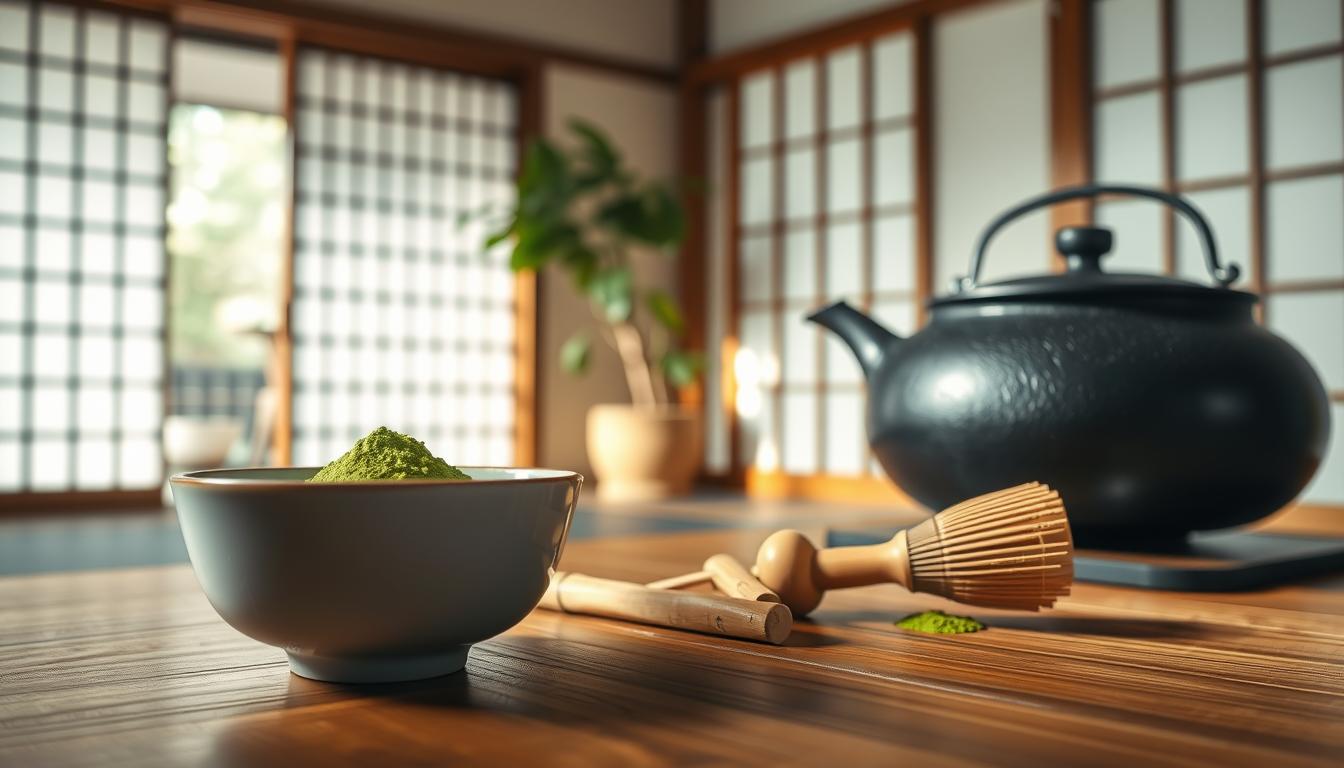
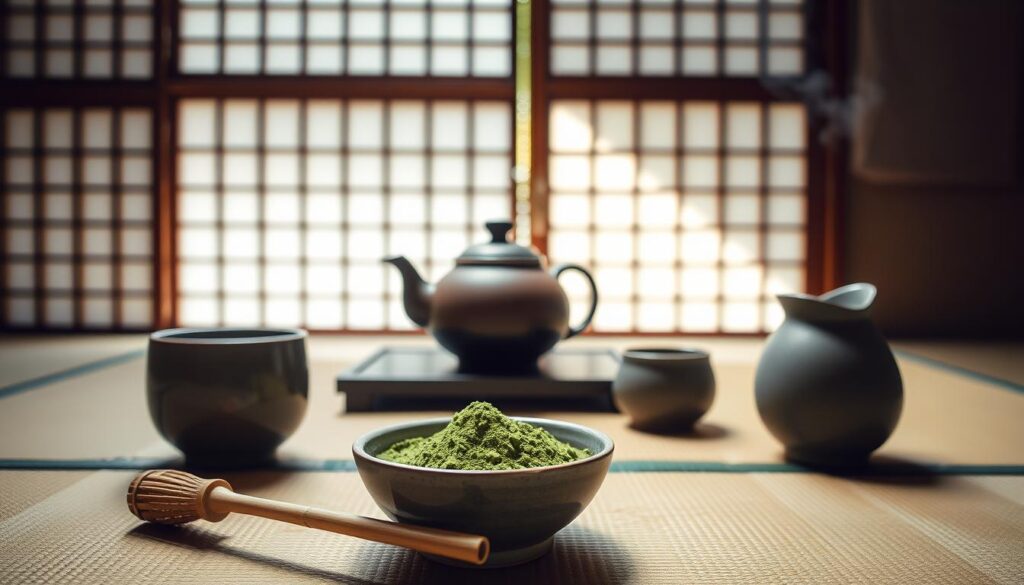
Ideally, use a traditional chawan (matcha bowl), chasen (bamboo whisk), and chashaku (bamboo scoop). Make sure everything is clean and completely dry — any residual moisture can affect the flavor. Set your workspace to feel calm and unhurried, much like the atmosphere of a traditional Japanese tea room. This mindful approach to how to make matcha enhances the entire experience.
Step 2: Measuring and Sifting the Matcha Powder
Use the chashaku to scoop your matcha — about 1 to 2 chashaku scoops, which is roughly half a teaspoon to one full teaspoon for a standard serving. Before adding it to your chawan, sift the powder through a fine mesh strainer. This simple step removes any clumps and ensures the matcha dissolves evenly, giving you that signature velvety smoothness.
Step 3: Adding the Right Amount of Water
Heat your water to around 160°F to 170°F — this is slightly below the boiling point, and the distinction matters. Pour roughly 30–40 ml of this warm water over the sifted matcha in your chawan. Water that is too hot will scorch the delicate leaves, resulting in a harsh, bitter taste. Getting the temperature just right is one of the most important steps in how to make matcha taste its absolute best.
Step 4: Whisking Matcha — How to Make Matcha Frothy and Smooth
Pick up your chasen and begin whisking in a gentle “W” or “M” motion, starting from the center of the bowl and gradually working outward. The goal is to lift the matcha and create a delicate, airy froth on the surface. Move briskly but with control — avoid splashing. Many people find that the rhythm of whisking becomes almost meditative, which is very much in keeping with the spirit of the Japanese tea tradition.
Soshitsu Sen XV, the grand tea master, once shared that the art of tea extends far beyond the taste itself — it is about mindfulness and a connection with nature. This perspective captures the soul of traditional matcha preparation beautifully, reminding us that the experience of making matcha is as nourishing as the drink itself.
✅ How to Brew Matcha Green Tea: Key Takeaways
- Water temperature: 160–170°F (never boiling) — prevents bitterness
- Powder amount: 1–2 teaspoons (2–4g) per serving
- Sifting is essential: Removes clumps for silky texture
- Whisking technique: Rapid “W” or “M” motion for 15–20 seconds
- Total time: 3 minutes from start to first sip
- Best results: Use ceremonial grade matcha with bamboo whisk (chasen)
💡 Pro Tip: Make a paste first with just a splash of water before adding the rest — this prevents clumps and guarantees a perfectly smooth result every time.
Common Mistakes to Avoid When Making Matcha
Even with the best intentions, it’s easy to stumble when you’re first learning how to make matcha. Many beginners make the same errors when figuring out how to make matcha at home, but the good news is that most common mistakes are simple to spot and correct once you know what to watch for. Avoiding these pitfalls when learning how to make matcha will make a noticeable difference in the quality and enjoyment of every cup.
Water Temperature Errors
Using water that’s too hot is probably the single most common mistake beginners make. Boiling water will scorch the matcha, turning what should be a smooth, sweet experience into something bitter and unpleasant. Aim for a water temperature between 160°F and 170°F — if you don’t have a thermometer, simply let freshly boiled water sit for about 2 minutes before using it. Temperature control is key to unlocking the true flavor of your matcha.
Improper Whisking Techniques
Whisking technique plays a critical role when learning how to make matcha. In fact, proper whisking is one of the most important skills in how to make matcha successfully. Circular, vigorous motions can leave the matcha lumpy and unevenly mixed, which defeats the purpose of learning how to make matcha properly.
The correct approach to how to make matcha involves a rapid, gentle zig-zag motion — think “W” shapes — which creates air and builds that signature creamy froth without overworking the powder. This technique produces the smooth, consistent texture that makes a great cup of matcha truly satisfying.
Storage Mistakes That Ruin Matcha Quality
Proper storage is essential to keeping your matcha at its best. Exposure to air, light, and moisture will cause even good-quality matcha to lose its vibrant color and fresh flavor over time. The simplest way to how to store matcha powder correctly is to transfer it into an airtight container and keep it in a cool, dark spot — away from direct sunlight and any source of humidity.
🔧 Matcha Troubleshooting Guide
| Problem | Cause | Solution |
|---|---|---|
| Bitter, harsh taste | Water too hot (over 175°F) | Use 160–170°F water; let boiling water cool 2 minutes |
| Clumpy, lumpy texture | Powder not sifted | Always sift matcha through fine mesh before whisking |
| No froth forms | Slow whisking or wrong motion | Whisk rapidly in “W” or “M” motion for 15–20 seconds |
| Dull green or brown color | Old or oxidized matcha | Store in airtight container; use within 3–4 weeks of opening |
| Weak, watery flavor | Not enough powder | Use full 1–2 teaspoons per serving |
| Gritty sediment at bottom | Low-quality matcha or insufficient whisking | Upgrade to ceremonial grade; whisk longer until fully dissolved |
How to Make Matcha Latte: A Creamy Alternative
If you’re looking to bring a new dimension to your matcha experience, learning how to make matcha latte and how to make matcha latte at home is a wonderful next step. A matcha latte blends the earthy depth of ceremonial-quality matcha with the creamy comfort of steamed milk — and it’s surprisingly easy to make beautifully at home. This is also a great entry point for anyone exploring matcha latte recipe for beginners.
Traditional Matcha Latte Recipe
A traditional matcha latte comes together with just a few quality ingredients: good matcha powder, steamed milk, and an optional touch of sweetener. Here’s how to bring it all together at home:
Hot Matcha Latte Step-by-Step
- Begin by preparing your matcha the traditional way — sift about 1 teaspoon of powder into your cup or chawan, add a splash of warm water, and whisk into a smooth paste.
- Heat your milk — dairy or your preferred plant-based alternative — until it’s warm and steamy but not boiling. Froth it gently until you have a layer of soft, velvety foam.
- Slowly pour the steamed milk over your matcha paste, stirring gently as you go. The milk and matcha will come together into a beautifully layered drink.
- Add sweetener to taste (see options below), give it a final gentle stir, and enjoy.
Achieving the Perfect Froth
The froth on a great matcha latte is what gives it that café-quality feel. For the best results, use a dedicated milk frother or a steam wand if you have one. A handheld electric frother is also an excellent option and works beautifully for home use — just make sure you’re not overheating the milk, which can make it taste flat or dull.
Honey Vanilla Matcha Latte Recipe
Recipe Card: Honey Vanilla Matcha Latte
Prep: 3 min | Cook: 2 min | Servings: 1 | Difficulty: Easy
Ingredients:
- 1 teaspoon ceremonial or culinary grade matcha powder
- 2 oz warm water (160–170°F)
- 6 oz milk of choice (oat milk works beautifully here)
- 1 tablespoon raw honey
- ½ teaspoon pure vanilla extract
- Pinch of cinnamon (optional garnish)
Instructions:
- Warm your milk gently in a small saucepan or microwave. Whisk in the honey and vanilla extract until the honey is fully dissolved and the milk is smooth.
- In your cup, sift the matcha powder, then add the warm water. Whisk vigorously in a “W” motion until frothy and lump-free.
- Froth the honey-vanilla milk using a frother or by whisking briskly by hand.
- Pour the frothed milk slowly over the matcha, letting the layers settle naturally.
- Dust the top with a pinch of cinnamon for a warm, aromatic finish. Sip and enjoy.
Tip: Dissolving the honey into the warm milk first prevents it from clumping and gives the latte a silky, even sweetness throughout.
Dairy-Free Matcha Latte Options
Making a dairy-free matcha latte is just as easy and satisfying — and there are some wonderful milk alternatives to choose from, each bringing its own character to the drink:
- Oat milk — naturally creamy and slightly sweet, it pairs beautifully with matcha’s earthy notes.
- Almond milk — lighter in body, with a gentle nuttiness that complements matcha well.
- Coconut milk — adds a subtle tropical richness and froths wonderfully.
- Soy milk — one of the closest in texture to dairy milk, making it an excellent all-around substitute.
Each of these options brings something unique to the table. Experiment with a few to discover which one becomes your personal favorite.
Sweetener Options and Measurements
Sweetening your matcha latte is entirely a matter of personal taste. Here are some popular choices and a general starting point for each:
- Raw honey: 1–2 teaspoons per cup — adds warmth and a floral depth.
- Maple syrup: ½ to 1 teaspoon per cup — brings a caramel-like richness.
- Coconut sugar or cane sugar: 1–2 teaspoons per cup — a straightforward, clean sweetness.
Start with a smaller amount and adjust as you go. You can always add more, but you can’t take it away — so finding your perfect balance is part of the fun.
Iced Matcha Latte Recipe for Hot Summer Days
When the weather heats up, a chilled glass of iced matcha becomes one of the most refreshing drinks you can make at home. Learning how to make iced matcha latte is quick, simple, and endlessly customizable — perfect for warm mornings, post-workout refreshment, or a cool afternoon pick-me-up.
Basic Iced Matcha Preparation
Recipe Card: Classic Iced Matcha Latte
Prep: 3 min | Chill: 2 min | Servings: 1 | Difficulty: Easy
What You’ll Need:
- 1 teaspoon matcha powder (ceremonial or culinary grade)
- 2 oz warm water (160–170°F)
- 3–4 oz milk (dairy or non-dairy of choice)
- Ice cubes
- Sweetener to taste — honey, maple syrup, or simple syrup
How to Make It:
- Sift the matcha into a small bowl or cup. Add the warm water and whisk until smooth and frothy — no lumps.
- Fill a tall glass generously with ice cubes.
- Pour the matcha mixture over the ice.
- Add your milk slowly, letting it layer naturally over the matcha for a gorgeous visual effect.
- Sweeten to taste, give it a gentle stir, and enjoy right away.
Tip: For the prettiest layered look, pour the milk over the back of a spoon so it settles gently on top.
Matcha Strawberry Iced Latte Recipe
Recipe Card: Matcha Strawberry Iced Latte
Prep: 8 min | Servings: 1 | Difficulty: Easy-Medium
Ingredients:
- 1 teaspoon matcha powder
- 2 oz warm water
- 4 oz milk of choice
- 3–4 fresh strawberries, hulled and sliced
- 1 tablespoon honey or agave syrup
- Ice cubes
- 1 fresh strawberry for garnish
Instructions:
- Muddle (lightly crush) the sliced strawberries in the bottom of your glass with the honey until the berries release their juice and the honey is mixed in.
- In a separate small bowl, whisk the matcha powder with the warm water until smooth.
- Fill the glass with ice, then pour in the strawberry mixture.
- Slowly pour the matcha over the ice.
- Top with the milk, garnish with a fresh strawberry slice on the rim, and serve immediately.
Tip: The contrast between the vibrant green matcha and the rosy strawberry layers makes this drink as beautiful as it is delicious. Don’t stir it until you’re ready to drink — the layers are half the fun.
Creative Variations and Add-ins
One of the best things about making iced matcha at home is how much room there is to get creative. Once you’ve mastered the basics, experimenting with different flavors and textures becomes genuinely fun.
Fruit and Herb Infusions
Fresh fruits and herbs can completely transform your iced matcha into something unique. Try these combinations for refreshing, seasonal variations:
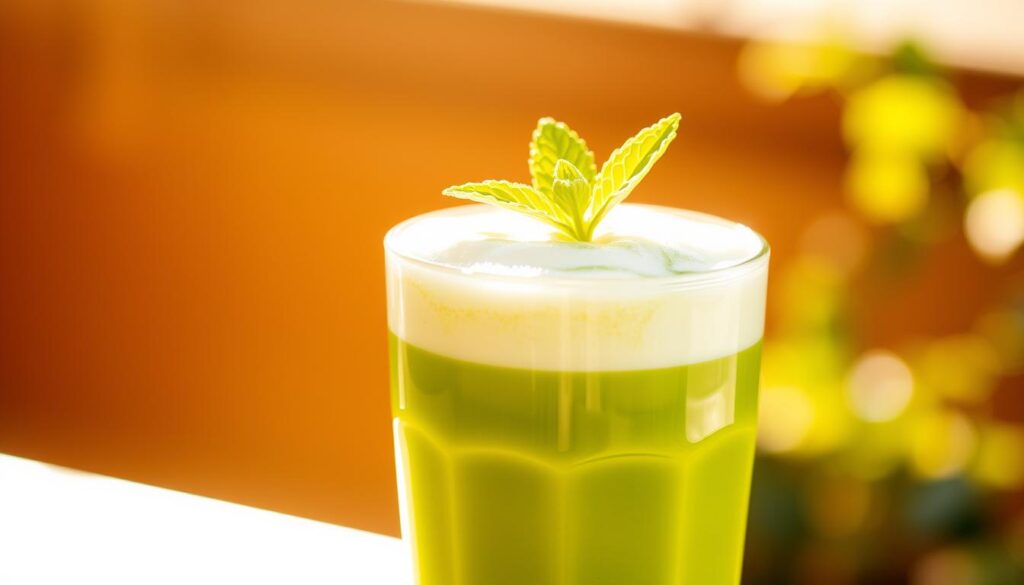
- Fresh mint leaves — muddle a few in the bottom of your glass before adding ice for a cool, herbaceous twist.
- Lemon slices — a squeeze of fresh lemon brightens the earthiness of matcha beautifully.
- Strawberries or blueberries — add a handful of fresh or frozen berries for a naturally fruity dimension.
Boba and Jelly Additions
For a fun, playful texture experience, consider adding boba pearls or fruit jellies to your iced matcha latte:
- Matcha-flavored boba — these intensify the matcha experience in every sip and add a satisfying chewiness.
- Lychee or mango jelly cubes — they add a burst of tropical sweetness and an unexpected textural contrast.
| Variation | Key Ingredients | Flavor Profile |
|---|---|---|
| Classic Iced Latte | Matcha, milk, ice, sweetener | Smooth, creamy, balanced |
| Strawberry Iced Latte | Matcha, milk, fresh strawberries, honey | Sweet, fruity, vibrant |
| Mint Iced Matcha | Matcha, milk, fresh mint, lemon | Refreshing, bright, herbaceous |
| Boba Matcha | Matcha, milk, boba pearls | Creamy with a fun, chewy texture |
Incorporating Matcha into Your Daily Routine
Matcha can fit seamlessly into the rhythm of your day. It offers a smooth, sustained lift in energy and supports a sense of calm focus — making it a meaningful addition to your mornings, afternoons, or even your pre-workout ritual. Knowing when and how to enjoy it helps you build a practice that truly works for your lifestyle.
If you’re looking to expand your approach to natural wellness beyond the cup, our guide on herbal wellness offers a wealth of ideas for building a plant-based lifestyle that nourishes from the inside out.
Best Times to Drink Matcha for Energy and Focus
Timing your matcha can genuinely shape how you feel throughout the day. Many people find that a cup in the morning — perhaps replacing or alongside their usual coffee — sets a calm, focused tone for everything that follows. Others enjoy it in the early afternoon, when energy levels naturally dip, as a gentle way to re-center without disrupting sleep later. Before a workout is another popular time, as matcha’s sustained energy can support both physical and mental performance. The best time, ultimately, is whichever one fits naturally into your routine — experiment a bit to find yours.
⏰ Best Times to Drink Matcha
| Time of Day | Benefits | Recommended Type |
|---|---|---|
| Early Morning (6–8 AM) | Calm, focused start; replaces coffee without jitters | Traditional matcha or hot latte |
| Mid-Morning (9–11 AM) | Sustained energy for work or study sessions | Traditional matcha |
| Early Afternoon (12–2 PM) | Prevents post-lunch energy dip | Iced matcha latte |
| Pre-Workout (30–60 min before) | Gentle energy boost without stomach upset | Light matcha (1 tsp powder) |
| Late Afternoon (after 3 PM) | ⚠️ May interfere with sleep for sensitive individuals | Avoid if caffeine-sensitive |
| Evening (after 6 PM) | ❌ Not recommended — may disrupt sleep quality | Skip matcha |
⚡ Energy Duration: Matcha provides 3–6 hours of sustained energy, so time your last cup accordingly. For most people, the cutoff is 2–3 PM to ensure good sleep quality.
Creating a Sustainable Matcha Habit
Building any new habit works best when you start small and keep it consistent. Begin with one cup of matcha a day — ideally at the same time each morning or afternoon — and let the ritual settle before adding more. Using high-quality powder and the right tools from the start will make each cup feel like a reward rather than a chore. As you grow more comfortable, branching out into different preparations — matcha lattes, smoothies, even baked goods — keeps the experience fresh and enjoyable for the long term.
Matcha Beyond the Cup: Culinary Uses and Recipes
Matcha is far more versatile than most people realize. Beyond being a stunning beverage, it’s a remarkable ingredient for both sweet and savory dishes — bringing its signature earthy, umami flavor and vibrant green color to an incredibly wide range of recipes. If you enjoy exploring the world of natural, plant-based ingredients, you might also love diving into our collection of Chinese herbal teas for even more inspiration.
Matcha in Baking and Desserts
Adding matcha to desserts is one of the most exciting ways to bring this ingredient into your kitchen. Even a small amount of matcha powder can transform cakes, cookies, and muffins — giving them a gorgeous green hue and a subtle, complex flavor that pairs beautifully with sweetness. When baking with matcha, the key is balance: its naturally grassy notes shine brightest when paired with white chocolate, citrus, or a touch of honey.
| Dessert | Best Matcha Pairing | What Makes It Work |
|---|---|---|
| Cheesecake | White Chocolate | A silky matcha cheesecake on a white chocolate-cookie crust creates a dreamy, layered dessert. |
| Ice Cream | Citrus (Lemon Zest) | Refreshing matcha ice cream brightened with a hint of lemon zest feels light and sophisticated. |
| Brownies | Dark Chocolate | Rich, fudgy matcha brownies studded with dark chocolate chunks balance sweetness with depth. |
| Cookies | White Chocolate Chips | Soft matcha sugar cookies with white chocolate chips make a stunning visual and flavor contrast. |
Matcha White Chocolate Energy Bites Recipe
Recipe Card: Matcha White Chocolate Energy Bites
Prep: 15 min | Chill: 30 min | Makes: 12–14 bites | Difficulty: Easy
Ingredients:
- 1 cup rolled oats
- 2 tablespoons matcha powder (culinary grade)
- ¼ cup white chocolate chips
- ¼ cup almond butter (or any nut/seed butter)
- 3 tablespoons honey or maple syrup
- 2 tablespoons chia seeds
- 1 tablespoon coconut oil, melted
- Pinch of sea salt
Instructions:
- In a large bowl, combine the rolled oats, matcha powder, chia seeds, and sea salt. Stir until evenly mixed and the oats are coated in the green matcha.
- Add the almond butter, honey, and melted coconut oil. Mix thoroughly until everything holds together. The mixture should be sticky enough to shape.
- Fold in the white chocolate chips, distributing them evenly throughout.
- Use a tablespoon to scoop the mixture and roll each portion into a ball with your hands.
- Place the bites on a parchment-lined tray and refrigerate for at least 30 minutes until firm.
- Store in an airtight container in the fridge for up to one week.
Tip: For extra visual appeal, sprinkle a tiny bit of extra matcha powder over the tops of the bites just before serving.
Savory Applications for Matcha Powder
Matcha isn’t just for sweets — it’s a genuinely exciting ingredient in savory cooking too. Its natural umami depth and earthy character can add complexity to dressings, marinades, and soups. For those who enjoy the intersection of wellness and beauty, you might also appreciate exploring how natural skincare routines can complement a plant-rich lifestyle.
Savory Matcha Ideas to Try:
- Matcha Salad Dressing: Whisk together matcha powder, extra virgin olive oil, soy sauce, a drizzle of honey, and a splash of rice vinegar. Shake well and drizzle over mixed greens for a vibrant, flavor-packed salad.
- Matcha Soup: Stir a teaspoon of matcha powder into your favorite vegetable or miso soup just before serving. It adds a surprising depth of flavor and a beautiful green tint.
- Matcha Marinade: Combine matcha powder with soy sauce, minced garlic, fresh grated ginger, and a touch of sesame oil. Use it to marinate chicken, salmon, or tofu for a complex, umami-rich dish.
Matcha Glazed Salmon Recipe
Recipe Card: Matcha Glazed Salmon
Prep: 10 min | Marinate: 20 min | Cook: 12 min | Servings: 2 | Difficulty: Medium
Ingredients:
- 2 salmon fillets (about 6 oz each), skin on
- 1 tablespoon matcha powder (culinary grade)
- 2 tablespoons soy sauce (or tamari for gluten-free)
- 1 tablespoon honey
- 1 tablespoon rice vinegar
- 1 teaspoon freshly grated ginger
- 2 cloves garlic, minced
- 1 teaspoon sesame oil
- Sesame seeds and sliced green onion for garnish
Instructions:
- In a small bowl, whisk together the matcha powder, soy sauce, honey, rice vinegar, ginger, garlic, and sesame oil until smooth and fully combined.
- Place the salmon fillets in a shallow dish. Pour the matcha glaze over them, ensuring both sides are coated. Cover and marinate in the refrigerator for at least 20 minutes.
- Preheat your oven to 400°F (200°C). Line a baking sheet with parchment paper.
- Place the salmon skin-side down on the prepared sheet. Spoon any remaining glaze over the top of each fillet.
- Bake for 10–12 minutes, or until the salmon flakes easily with a fork and the glaze is caramelized and glossy.
- Garnish with sesame seeds and sliced green onion. Serve immediately over steamed rice or alongside roasted vegetables.
Tip: The matcha glaze caramelizes beautifully in the oven — don’t skip the marinating step, as it allows the flavors to deeply penetrate the fish.
For a holistic approach to natural beauty and self-care that pairs wonderfully with a plant-rich lifestyle, explore our guides on turmeric face wash and natural hair care — both rooted in the same reverence for nature’s ingredients.
Matcha Overnight Oats Recipe
Looking for a way to enjoy matcha that goes beyond the cup? Matcha overnight oats are the perfect make-ahead breakfast — creamy, naturally sweet, and beautifully green. Prepare them the night before, and wake up to a nourishing, no-cook morning meal that tastes like a treat.
Recipe Card: Matcha Overnight Oats
Prep: 5 min | Chill: Overnight | Servings: 1 | Difficulty: Very Easy
Ingredients:
- ½ cup rolled oats
- 1 teaspoon matcha powder (ceremonial or culinary grade)
- ¾ cup milk of choice (oat or almond milk work beautifully)
- 1 tablespoon chia seeds
- 1 tablespoon honey or maple syrup
- ½ teaspoon vanilla extract
- Pinch of sea salt
- Toppings: fresh berries, sliced banana, a drizzle of almond butter, shredded coconut, or granola
Instructions:
- In a jar or container with a lid, add the rolled oats, matcha powder, and chia seeds. Stir briefly to combine.
- Pour in the milk, then add the honey, vanilla extract, and sea salt. Stir everything together until the matcha is evenly distributed and there are no green clumps.
- Seal the container and place it in the refrigerator overnight — at least 6 to 8 hours.
- In the morning, give the oats a good stir. If they feel too thick, add a splash more milk to reach your preferred consistency.
- Top with your favorite fresh fruits, nuts, or seeds, and enjoy cold straight from the jar.
Tip: These oats keep well in the fridge for up to 3 days, so feel free to make a batch of two or three jars at once for a week of easy mornings.
Conclusion: Mastering the Art of Matcha
With a little practice and the right guidance, mastering how to make matcha becomes one of the most satisfying rituals you can add to your life. This guide has given you everything you need — from understanding matcha’s flavor and origins, to the tools, techniques, and recipes that bring it all together.
By following the traditional Japanese method and learning from the most common mistakes, you can create a beautifully smooth and frothy cup of matcha every time. And with recipes ranging from creamy lattes and refreshing iced drinks to overnight oats and glazed salmon, there are endless ways to weave matcha into your everyday life.
Remember, mastering matcha is a journey, not a destination. Each cup you make teaches you something new — about the tea, about technique, and about the kind of mindful moments that make a day feel richer.
Whether you’re curious about how much caffeine is in matcha, want to explore its layered flavor, or are excited to try new recipes like the Honey Vanilla Latte or Matcha Glazed Salmon, this guide is here to support you every step of the way.
Join our community to discover more recipes, tips, and ideas for making how to make matcha a central part of your wellness ritual. And if you’re passionate about living a natural, plant-based lifestyle beyond the kitchen, don’t forget to explore our guides on natural skincare and natural body care — because true wellness is about nurturing every part of yourself.
FAQ
How to make matcha tea?
To make matcha tea, sift 1 teaspoon of matcha powder into a bowl, add 2 oz of water heated to 160–170°F (not boiling), and whisk rapidly in a “W” or “M” motion for 15–20 seconds until a light froth forms on the surface. The entire process takes about 3 minutes. For best results, use ceremonial grade matcha and a traditional bamboo whisk (chasen) or an electric frother.
What does matcha taste like?
Matcha has a rich, layered flavor often described as earthy and grassy, with a pleasant umami depth. High-quality ceremonial grade matcha is notably smooth and gently sweet on the palate. Lower-quality or culinary grade matcha may lean slightly more bitter, which is why it works best when blended into lattes or baked goods.
How much caffeine is in matcha?
The caffeine content in matcha varies depending on the grade, brand, and serving size. On average, one teaspoon of matcha powder contains roughly 34–70 mg of caffeine — more than a standard cup of green tea, but generally less than coffee. The presence of L-theanine alongside the caffeine gives matcha its characteristic smooth, sustained energy without the jittery feeling many people associate with coffee.
How do I make a matcha latte?
To make a matcha latte at home, start by whisking matcha powder with a small amount of warm water until you have a smooth, lump-free paste. Then, heat and froth your milk of choice — dairy or plant-based both work wonderfully. Pour the frothed milk over the matcha paste, add sweetener to your preference, and enjoy. For a twist, try adding honey and vanilla for a Honey Vanilla Matcha Latte.
What is the difference between ceremonial and culinary grade matcha?
Ceremonial grade matcha is the highest tier of quality, traditionally used in the Japanese tea ceremony. It has a delicate, nuanced flavor and is best enjoyed on its own, whisked simply with water. Culinary grade matcha is designed for use in cooking, baking, and blended drinks like lattes. It has a slightly stronger flavor that holds up well when mixed with other ingredients, and it comes at a more accessible price point.
How do I store matcha to preserve its quality?
The best way to store matcha is in an airtight container kept in a cool, dark place — away from direct sunlight, heat, and moisture. All of these elements can cause matcha to lose its vibrant color and fresh, sweet aroma over time. Once opened, try to use your matcha within a few weeks for the best possible flavor.
Can I make iced matcha latte at home?
Absolutely. Whisk matcha powder with a small amount of warm water until smooth, then pour it over a glass full of ice. Add your milk of choice and sweeten to taste. For a beautiful layered look, pour the milk over the back of a spoon so it settles gently on top. You can also add fresh fruits, mint, or even boba pearls for creative variations.
What are the best times to drink matcha for energy and focus?
Many people enjoy matcha in the morning as a calm, focused way to start the day, or in the early afternoon to gently push through a midday energy dip. It can also be a great companion before a workout or a creative session. The main thing to keep in mind is to avoid drinking matcha too close to bedtime, as its caffeine content may make it harder to fall asleep.
How can I incorporate matcha into my daily routine?
There are many ways to make matcha a part of your day. You can drink it as a traditional whisked tea, blend it into a creamy latte, stir it into overnight oats or smoothies, or even use it in baking and cooking. Starting with one simple preparation — like a morning cup of traditional matcha — and gradually exploring new recipes is a great way to build a sustainable and enjoyable matcha habit.
How do I make matcha without a whisk?
If you don’t have a traditional bamboo whisk (chasen), you can use a handheld electric frother, a regular kitchen whisk, or even a small blender. The key is to mix the matcha powder with a small amount of warm water first to create a paste, then add more water or milk. This method helps prevent clumps and gives you a smooth, enjoyable result even without traditional tools.
Written by Doo & Rita
Doo and Rita are sisters, herbal wellness enthusiasts, and DIY beauty lovers who explore plant-based ingredients through hands-on experiments. We share tips and recipes we personally test, always with a gentle, nature-first approach.
Disclaimer: All content is for educational purposes only. We are not medical professionals. Always patch test new ingredients. Contact: [email protected]