
Apple Seed Vinegar for Hair: Natural Shine & Hair Care Tips (2025)
When it comes to natural hair care, apple seed vinegar for hair has become a beloved staple in many wellness routines. This humble kitchen ingredient has been used for generations as a gentle, nature-inspired approach to hair maintenance. Let’s explore how this traditional remedy fits into modern hair care practices.
In this article, we’ll use apple seed vinegar and apple cider vinegar interchangeably to describe fermented apple-based hair care solutions.
Table of Contents
What Makes Apple Seed Vinegar for Hair So Effective?
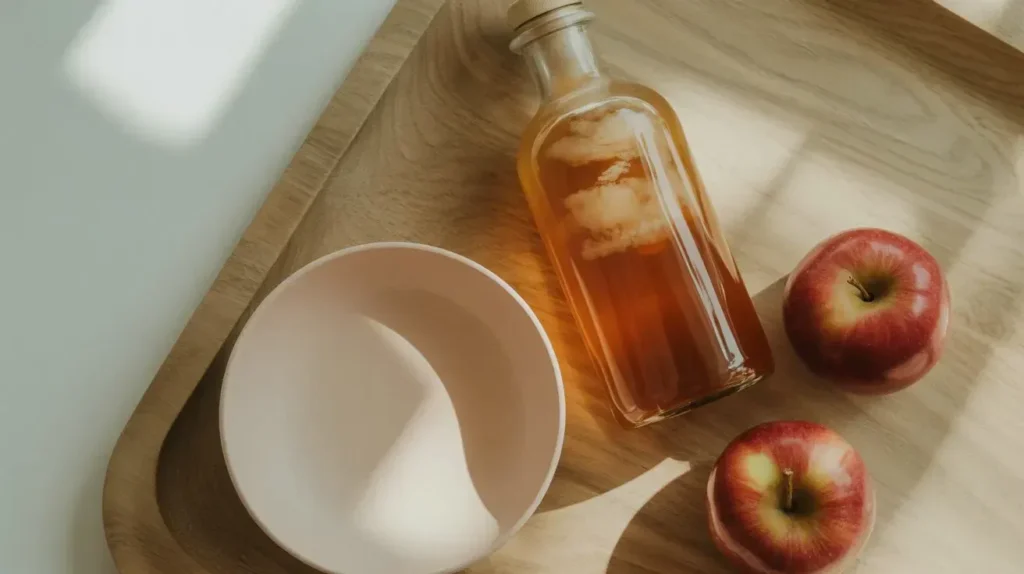
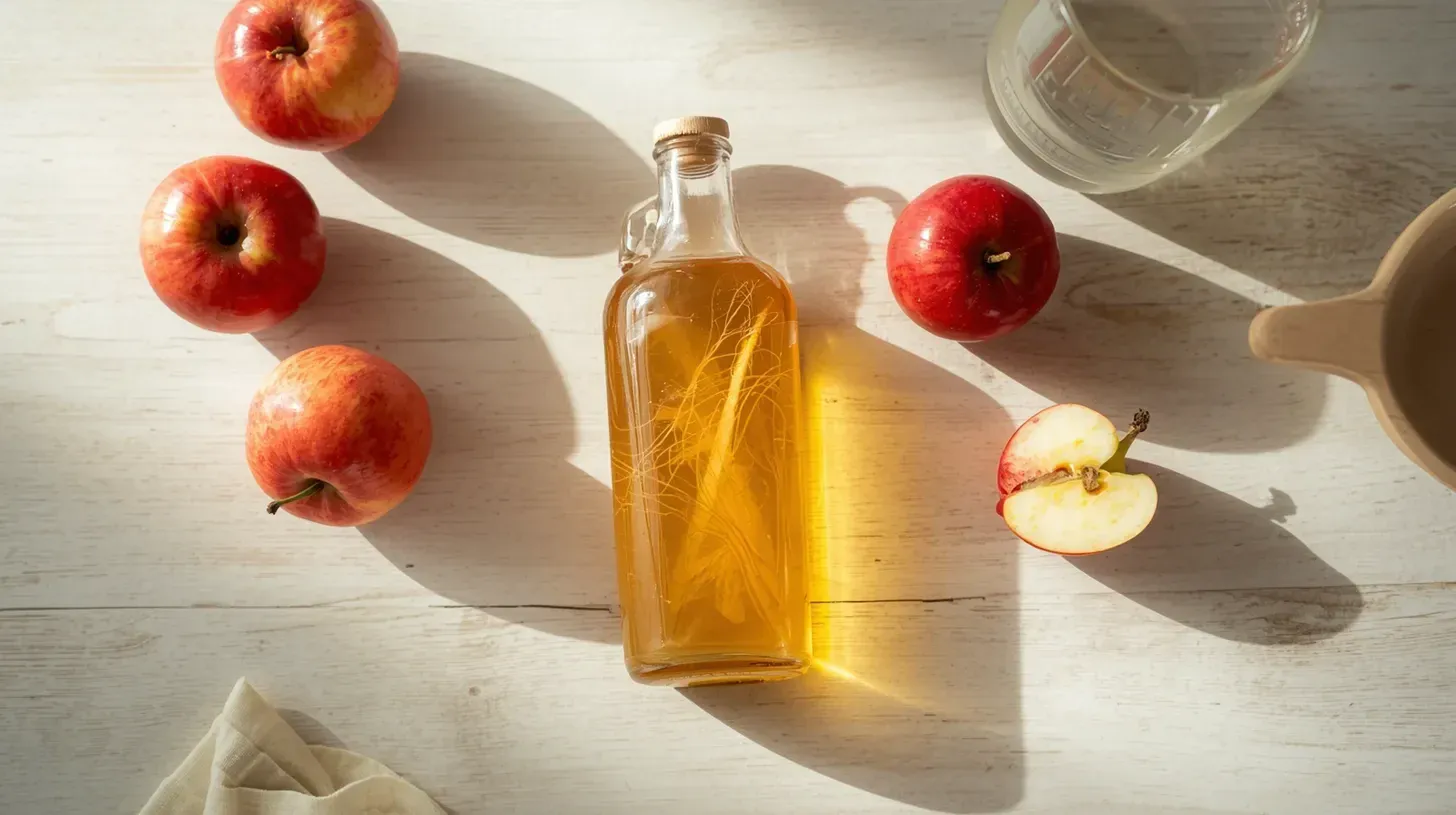
Apple cider vinegar emerges from a fermentation process that transforms apples into a tangy liquid containing acetic acid. Raw, unfiltered versions typically include what enthusiasts call “the mother” – cloudy strands of proteins, enzymes, and beneficial bacteria floating throughout the bottle.
In the broader world of natural hair care, some people also explore apple seed vinegar for hair as an alternative ingredient with similarly gentle, nature-inspired properties.
For hair care enthusiasts, the acidic character (typically pH 2–3) creates an interesting contrast with many commercial hair products that lean more alkaline, offering a different experience for your hair routine.
Why Apple Cider Vinegar for Hair Works Naturally
Apple seed vinegar for hair—the traditional name for what we now call apple cider vinegar—refers to vinegar made from fermented whole apples, including their nutrient-rich seeds. This complete fermentation process creates the distinctive properties that people appreciate in their hair care routines.
Is Apple Cider Vinegar Good for Your Hair?
Many people incorporate apple cider vinegar into their hair care routines and share positive experiences. Within the world of natural DIY remedies, apple seed vinegar for hair is also explored by some as a gentle, plant-based alternative.
Natural Cleansing Properties
The acetic acid in apple cider vinegar may assist in removing product residue that builds up from styling products, hard water minerals, and everyday environmental exposure. Consider it a gentle reset option for your hair strands.
Scalp Balance
Creating a comfortable scalp environment provides the foundation for maintaining beautiful-looking hair. The acidic character of apple cider vinegar can contribute to the scalp’s natural environment, which typically ranges between 4.5 and 5.5 on the pH scale.
Shine Enhancement
Many users observe that their hair looks shinier after incorporating an apple cider vinegar rinse into their routine. This visual effect comes from how acidic solutions interact with the hair cuticle – the outermost layer of each strand. You can also pair it with Best Rose Water for Hair: Your Complete 2025 Shopping Guide for naturally glowing, healthy-looking hair.
Apple Seed Vinegar for Flaky Scalps: A Gentle Approach
Dealing with flakes can feel frustrating, and while apple cider vinegar isn’t a medical treatment, many people enjoy incorporating it into their scalp care routine — and some even explore apple seed vinegar for hair as another gentle, plant-based option. To enhance your scalp-care routine further, check out Strawberry Mint Hair Growth Oil – Nourish & Refresh Hair 2025.
Why People Turn to Vinegar for Flaky Scalps
Many people appreciate that ACV contributes to a scalp that feels fresh and balanced, which can support a cleaner-looking, more comfortable feeling. Additionally, the gentle sensation can refresh the scalp experience and reduce the visible appearance of flakes.
Understanding Your Scalp Type
- Dry, flaky scalp: May appreciate moisturizing products alongside vinegar rinses
- Oily scalp with flakes: Vinegar rinses might contribute to a more balanced feel
- Sensitive scalp: Always dilute more heavily and test on a small area first
- Very sensitive or uncomfortable scalp: Consult a dermatologist before trying home remedies
Note: If flakes persist or the situation changes, connecting with a healthcare professional is advisable.
How to Use Apple Cider Vinegar for Flaky Scalps

Ready to try incorporating apple cider vinegar into your routine? Here’s a practical, step-by-step approach.
You can also complement your routine with Homemade Shampoo: 15+ Easy DIY Recipes for All Hair Types to maximize shine and hair appearance.
Basic ACV Hair Rinse Recipe
What You’ll Need:
- 2-4 tablespoons raw, unfiltered apple cider vinegar
- 1 cup (8 oz) of water
- A squeeze bottle or spray bottle
- Optional: 2-3 drops of essential oil (lavender or tea tree)
Instructions:
- Dilute Properly: Combine the apple cider vinegar with water. Begin with a lighter solution (2 tablespoons per cup) and modify based on your hair’s response.
- Shampoo First: Cleanse your hair with your regular shampoo and rinse completely.
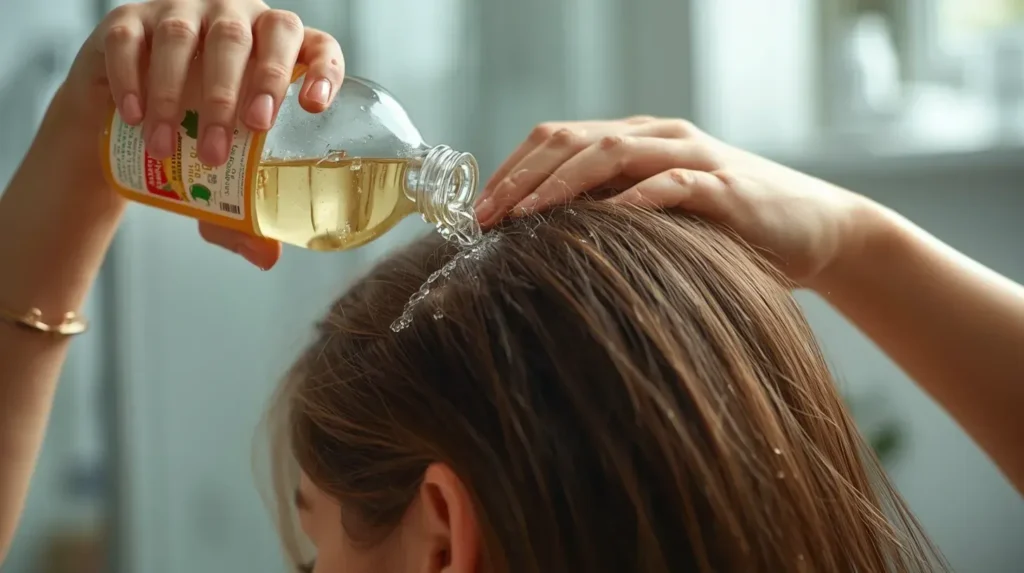
- Apply the Rinse: Pour or spray the diluted mixture over your scalp and hair, concentrating on the roots and scalp areas where flakes appear.
- Massage Gently: Use your fingertips to work the solution into your scalp for 1-2 minutes. This distributes the rinse and provides gentle circulation.
- Wait: Allow the solution to sit for 3-5 minutes while you complete your shower.
- Rinse with Cool Water: Cool water encourages the hair cuticle to lie flat and removes the vinegar scent (which fades as hair dries).
Frequency Guidelines
- For regular maintenance: Once or twice per week
- For visible flakes: 2-3 times per week initially, then adjust as needed
- For sensitive hair: Once per week or less
Apple Cider Vinegar on Hair Benefits
For Different Hair Types

Fine Hair
Fine-haired individuals often appreciate how vinegar rinses can remove buildup without weighing down delicate strands. This can make hair look fuller and more voluminous.
Thick or Coarse Hair
The smoothing interaction with the cuticle can manage frizz and add shine to thicker hair textures that tend toward dryness.
Color-Treated Hair
Some people with color-treated hair incorporate diluted vinegar rinses to maintain shine, though starting with very diluted solutions helps you observe how your specific color responds.
Curly Hair
Many in the curly-hair community enjoy using apple cider vinegar rinses as a clarifying step to refresh curls and reduce buildup from heavier styling products.
Product Buildup Removal
Modern hair products – from dry shampoos to leave-in conditioners – can accumulate on hair strands over time. An occasional vinegar rinse offers a gentle clarifying step that helps your hair feel more like its natural texture.
Tangles and Manageability
Smoother cuticles mean less friction between hair strands, which can translate to easier detangling and more cooperative hair overall.
Creating Your Perfect Apple Cider Vinegar Hair Care Routine
Weekly Schedule Example
Day: Monday – Regular shampoo and conditioner
Day: Wednesday – ACV rinse after shampooing
Day: Friday – Regular shampoo and conditioner
Day: Sunday – Deep conditioning routine
Customizing Your Approach with Apple Seed Vinegar for Hair
For Oily Hair:
- Use a slightly stronger solution (3-4 tablespoons per cup)
- Apply mainly to the scalp area
- Rinse thoroughly
For Dry Hair:
- Use a lighter solution (1-2 tablespoons per cup)
- Follow with a moisturizing conditioner on the ends
- Limit to once per week
For Normal Hair:
- Standard dilution (2-3 tablespoons per cup)
- Use 1-2 times weekly as needed
- Modify based on your hair’s response
You can experiment with Best Argan Oil Hair Mask: Top Picks + DIY Recipes (2025) or How to Make Rosemary Water for Hair | 5 Easy DIY Recipes to enhance your personalized routine.
Tips for Success with Apple Seed Vinegar for Hair
Choosing Your Vinegar for Apple Seed Vinegar for Hair
Look for:
- Raw, unfiltered apple cider vinegar
- Vinegar with “the mother” visible in the bottle
- Organic options when possible
- A product with 5% acidity
Storage and Preparation (apple seed vinegar for hair)
- Mix fresh rinse each time for optimal results
- Store unused diluted rinse in the refrigerator for up to one week
- Always shake before using if you’ve added essential oils
Common Adjustments
If your hair feels dry: Increase the water ratio or reduce frequency
If you notice buildup returning quickly: You might need a slightly stronger solution or more frequent rinses
If your scalp feels uncomfortable: Discontinue use and consult with a healthcare provider
Safety Considerations and Best Practices
Important Reminders
- Always dilute: Never apply undiluted vinegar to your hair or scalp
- Avoid contact with eyes: The acidic nature can cause stinging
- Patch test first: Apply a small amount of diluted solution to your inner arm 24 hours before full use
- Watch for sensitivity: If you experience burning, excessive dryness, or discomfort, discontinue use
Important: Always dilute apple cider vinegar before applying to hair or scalp. Avoid contact with eyes. Discontinue if irritation occurs. Not suitable for open wounds or recently chemically-treated hair.
When to Seek Professional Advice
Consider consulting a dermatologist if you experience:
- Visible flakes that don’t improve with regular care
- Red or uncomfortable scalp areas
- Significant changes in hair density
- Severe itching or discomfort
- signs of irritation or anything unusual. That warrant professional medical evaluation
Not Suitable for Everyone
Apple cider vinegar rinses may not be appropriate if you have:
- Open wounds or cuts on your scalp
- Recently chemical-treated hair (relaxers, perms)
- Certain scalp concerns (consult your healthcare provider)
- Very dry, brittle hair prone to breakage
Beyond the Basics: Enhancing Your Vinegar Rinse
Herbal Infusions
Steep herbs in warm water before adding vinegar:
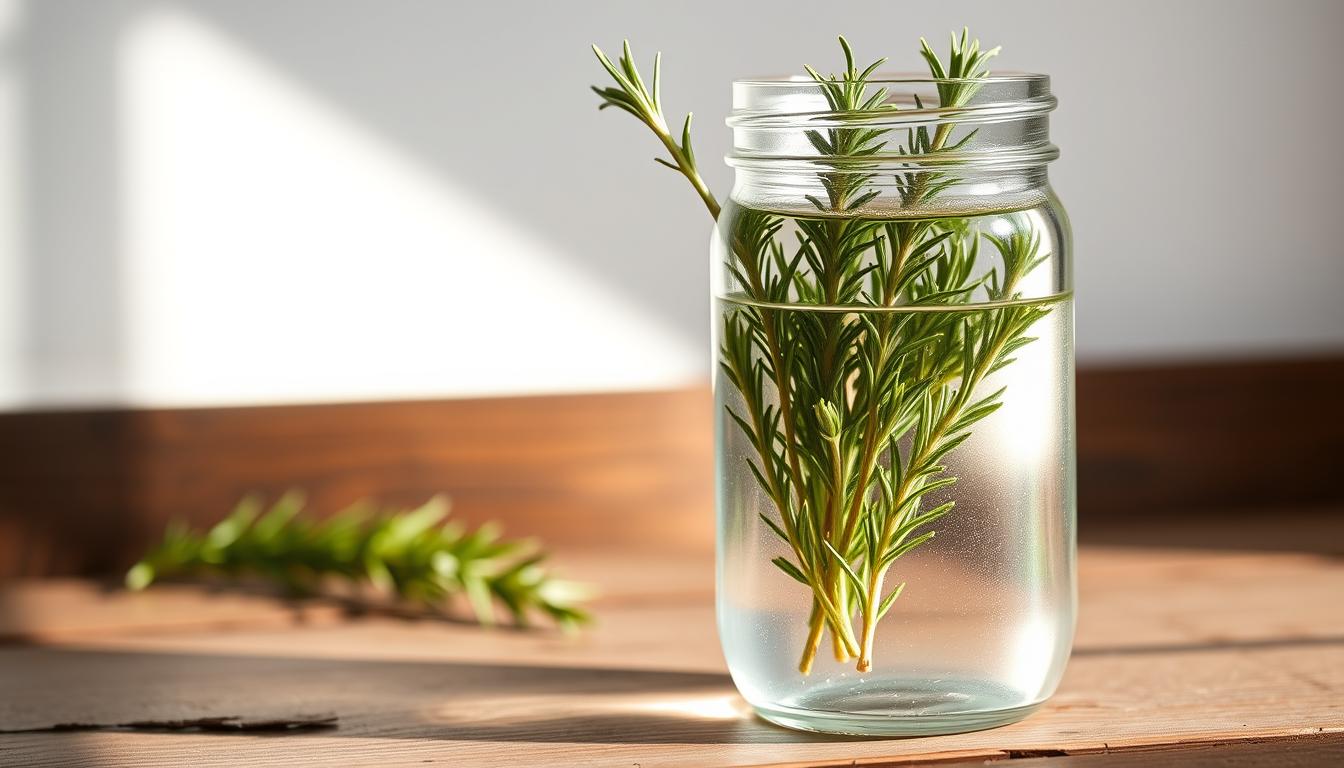
- Rosemary: Traditional choice for dark hair – discover our guide
- Chamomile: Popular with those who have lighter hair
- Lavender: Known for its pleasant scent
- Nettle: Rich in minerals
Essential Oil Additions
A few drops can enhance the experience:
- Tea tree oil: Popular for scalp care routines
- Peppermint oil: Provides a cooling sensation
- Lavender oil: Offers a soothing aroma
- Rosemary oil: Traditional hair care ingredient
Always dilute essential oils properly and research safety guidelines.
The Science of pH and Hair Health
contributes to a balanced-feeling scalp environment :
Hair’s Natural State
Hair and scalp thrive in a slightly acidic environment (pH 4.5-5.5). This acidic character:
- Encourages the cuticle to lie flat
- Helps maintain a comfortable scalp environment
- supports the scalp’s natural feel and comfort
What Disrupts pH Balance
- Hard water (typically alkaline)
- Many commercial shampoos (pH 6-7 or higher)
- Chemical hair processes
- Environmental factors
How Vinegar Fits In
When properly diluted, the acidity of apple cider vinegar (pH 2–3 undiluted) can help maintain a slightly acidic environment on the scalp and hair. This supports the cuticle in lying flat, which often leads to smoother, shinier, and more manageable hair.
Frequently Asked Questions
How often should I use apple cider vinegar on my hair?
Most people find success incorporating an ACV rinse 1-2 times per week. Begin with once weekly and modify based on how your hair responds. Those with oilier hair might prefer twice weekly, while those with drier hair might opt for every 10-14 days.
Will apple cider vinegar lighten my hair color?
Apple cider vinegar is not known to significantly alter hair color when used as a diluted rinse. However, if you have color-treated hair, start with a very diluted solution to observe how your specific color responds.
How long does it take to see results?
Many people notice shinier, more manageable hair after their first use. For visible flakes, some people see improvements after 2–4 weeks of regular use. Results vary widely and this is a cosmetic approach, not a medical treatment.
Can I use apple cider vinegar every day?
Daily use is generally not recommended, as it could potentially affect your hair or scalp feel over time. The acidic nature, even when diluted, works best when used periodically rather than daily.
Does the vinegar smell linger in my hair?
The vinegar scent is most noticeable when hair is wet. As your hair dries, the smell typically fades completely. If you’re concerned about scent, adding a few drops of essential oil to your rinse or rinsing with cool water thoroughly can minimize it.
Can I leave apple cider vinegar in my hair without rinsing?
It’s generally recommended to rinse out the ACV solution after a few minutes. Leaving it in could potentially cause dryness or an unpleasant smell. The benefits come from the brief contact time, not from leaving it in.
Is apple cider vinegar safe for all hair types?
While many hair types can appreciate ACV rinses, those with very dry, delicate, or chemically processed hair should approach with caution. Always start with a highly diluted solution and monitor your hair’s response. If you have specific scalp concerns, consult with a healthcare provider first.
Some people also explore apple seed vinegar for hair as a gentler alternative, though apple cider vinegar remains the most common option.
What’s the difference between white vinegar and apple cider vinegar for hair?
Apple cider vinegar is generally preferred because it’s gentler and contains additional beneficial compounds from the apple fermentation process. White vinegar is more acidic and lacks these additional components, though some people do use it as a more economical alternative.
Can apple cider vinegar help with hair growth?
While apple cider vinegar contributes to a comfortable scalp environment, There is no evidence that ACV influences biological hair growth .Healthy hair growth depends on many factors including genetics, nutrition, overall wellness, and proper hair care practices.
Should I condition my hair after using an ACV rinse?
This depends on your hair type. Those with dry or coarse hair might appreciate conditioning the ends (avoiding the scalp) after rinsing. Those with oily hair might find the ACV rinse provides enough conditioning on its own. Experiment to discover what works best for you.
Pair it with Best Olive Oil for Hair 2025 | Zaitoon Oil Guide or Best Argan Oil Hair Mask: Top Picks + DIY Recipes (2025) for extra nourishment and softness.
Embracing a Natural Hair Care Mindset
Incorporating apple cider vinegar into your hair care routine extends beyond just one ingredient — it’s part of a broader approach to caring for your hair with gentle, traditional methods, and some people even explore apple seed vinegar for hair within that same natural tradition.
Patience and Consistency
Natural approaches often require patience. While commercial products might promise instant results, natural ingredients work more gradually, supporting your hair’s beautiful appearance over time.
Listening to Your Hair
Your hair is unique. What works wonderfully for one person might not suit another. Pay attention to how your hair looks and feels, and modify your routine accordingly.
Holistic Hair Health
Remember that beautiful-looking hair starts from within:
- Stay hydrated
- Eat a balanced diet rich in nutrients
- Manage stress levels
- Protect hair from excessive heat and environmental exposure
- Get adequate rest
Creating Your Personalized Routine
Here’s a framework for developing your own apple seed vinegar for hair care practice:
- Start Simple: Begin with a basic diluted rinse once weekly
- Observe: Notice changes in shine, manageability, and scalp comfort
- Adjust: Modify concentration, frequency, or technique based on results
- Enhance: Add complementary natural ingredients if desired
- Maintain: Continue with what works for your unique hair needs
Final Thoughts
Apple cider vinegar represents a time-honored approach to hair care that many people find valuable in their wellness routines. In natural hair care conversations, ingredients like apple seed vinegar for hair are also gaining attention for similar gentle benefits. Whether you’re managing visible flakes, seeking more shine, or simply wanting to try a more natural approach, this versatile ingredient offers a gentle option to explore.
Remember that this is a cosmetic approach to hair maintenance, not a medical procedure. For persistent scalp concerns or questions about hair appearance, consulting with a dermatologist or trichologist provides personalized guidance based on your specific situation.
The journey to discovering your perfect hair care routine is personal and evolving. Apple cider vinegar might become a beloved staple, an occasional addition, or simply an interesting experiment in natural hair care. Whatever your experience, you’re participating in a tradition that spans generations of people seeking gentle, simple ways to care for their hair.
Ready to transform your routine with apple seed vinegar for hair?
Start today and experience smoother strands, a more comfortable scalp, and a more natural approach to hair care.
👉 Try your first apple seed vinegar for hair rinse and discover the difference.
Written by Doo & Rita
Doo and Rita are sisters, herbal wellness enthusiasts, and DIY beauty lovers who explore plant-based ingredients through hands-on experiments. We share tips and recipes we personally test, always with a gentle, nature-first approach.
Disclaimer: All content is for educational purposes only. We are not medical professionals. Always patch test new ingredients. Contact: [email protected]