Best Body Butter for Dry Skin: Complete 2026 Buyer’s Guide
By Doo & Rita – Nature’s Herbal Remedy
Last Updated: February 2026
Quick Answer Box
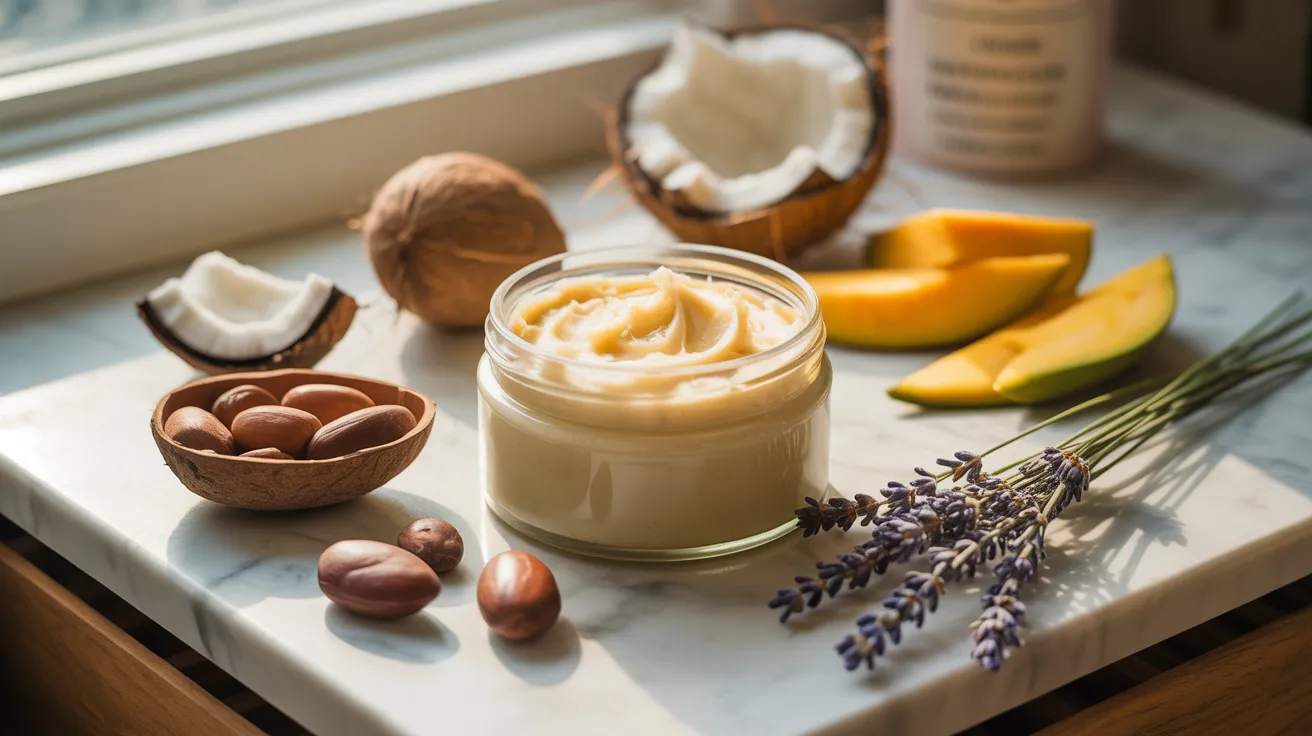
What is body butter? Body butter is a concentrated, water-free moisturizer made from natural plant butters (shea, cocoa, mango) and nourishing oils.
Best for: Very dry skin, elbows, knees, heels, hands | Apply: To damp skin after showering | How much: Quarter-size amount per leg | Lasts: 6-12 months when stored properly | Key difference from lotion: 0-10% water vs. 60-80% in lotions
Top picks: Pure shea butter, organic mango butter, raw cocoa butter, natural body butter cream
Body butter has become a skincare staple for anyone seeking deep moisture. Unlike traditional lotions that absorb quickly, this rich body butter cream creates a nourishing layer on skin. If you’ve ever wondered what is body butter used for—or how to choose the right one for your needs—you’re in the right place.
(As an Amazon Associate, I earn from qualifying purchases.)
Table of Contents
- What Is Body Butter?
- What Is Body Butter Used For?
- Benefits of Body Butter
- Best Body Butter for Dry Skin
- Types of Body Butter
- How to Choose a Good Body Butter
- How to Use Body Butter
- Body Butter Ingredients
- Body Butter vs Lotion vs Cream
- FAQs
What Is Body Butter?
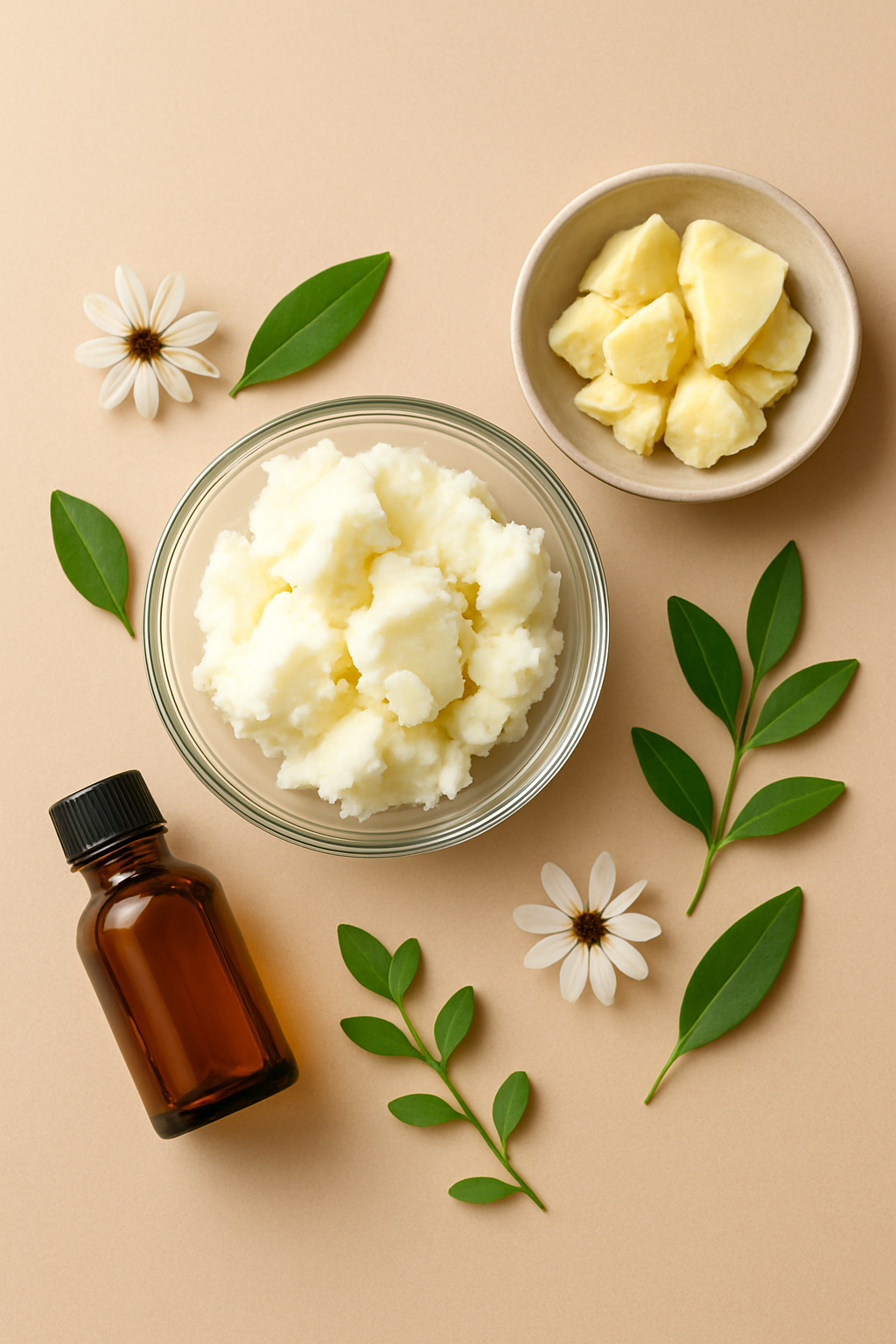
Body butter is a rich, thick moisturizer made primarily from natural plant-based butters and oils. The texture resembles softened butter (hence the name), and it melts into your skin upon contact, helping moisturize dry, rough areas.
Key characteristics of a body butter:
- 0-10% water content (vs. 60-80% in lotions)
- Solid or semi-solid at room temperature
- Melts at body temperature (around 98°F)
- Made from plant butters: shea, cocoa, mango
- Popular for use on dry skin
- Creates layer on skin surface
The key difference between body butter and regular lotion lies in the formulation. While lotions contain high amounts of water and lighter oils, body butter focuses on concentrated fats and butters. This makes it particularly popular during winter months or for people with naturally dry skin.
What Is Body Butter Used For?
Body butter serves multiple purposes in your natural skincare routine:
Primary uses:
- ✅ Skin moisturization – Popular for use on very dry skin
- ✅ Dry skin care – Designed for use on extremely dry areas like elbows, knees, heels, and hands
- ✅ Skin care routine – Can be used on skin exposed to cold weather, wind, and indoor heating
- ✅ Post-shower application – Applied to damp skin after bathing
- ✅ Daily skin care – Can be used on dry-feeling skin
- ✅ Bedtime routine – Can be applied before sleep
- ✅ Body care – Popular for use on skin during pregnancy or body changes
When to use a body butter:
- After every shower (apply to damp skin)
- Before bed as part of nighttime routine
- During winter months
- After shaving or exfoliation
- On dry areas (heels, elbows)
- During air travel
Primary Ingredients in Natural Body Butter
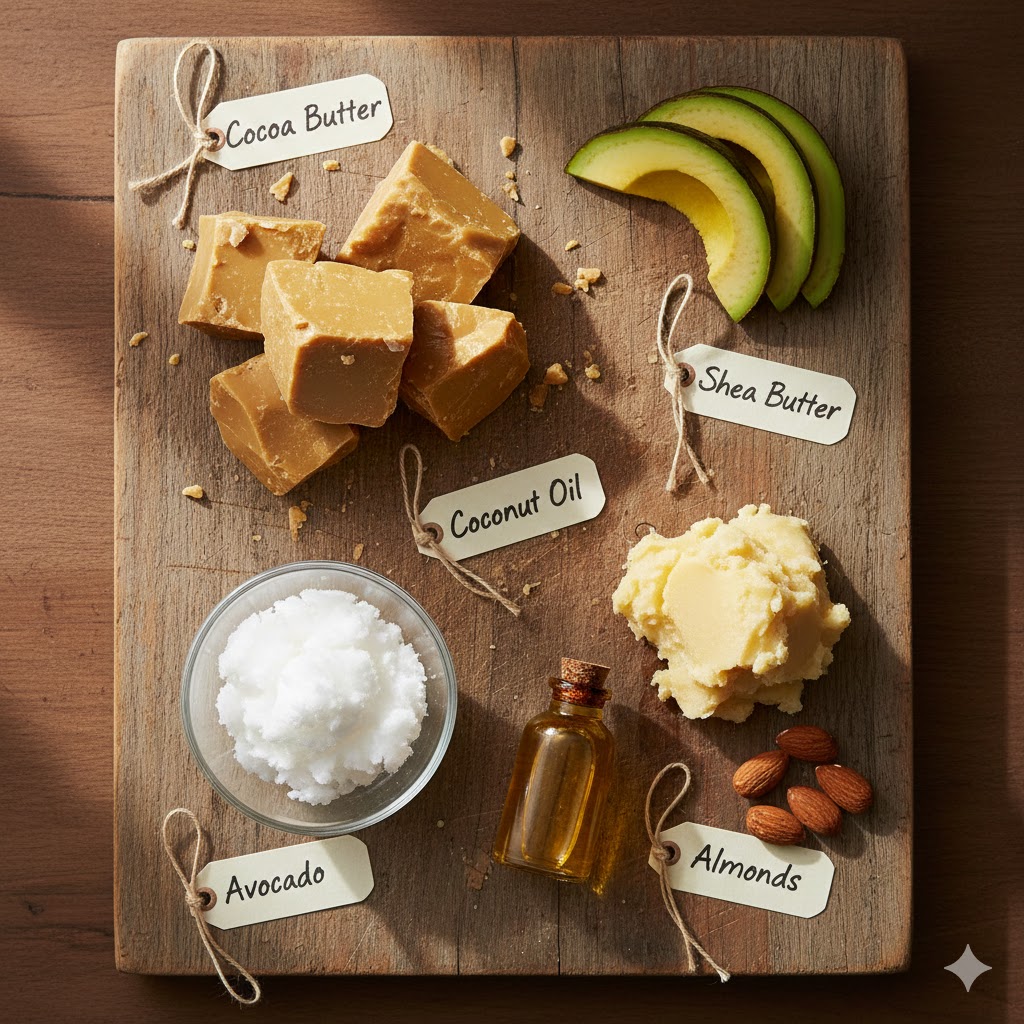
Shea Butter: Extracted from the nuts of the African shea tree, this butter is rich in fatty acids and vitamins A and E. It’s known for its creamy texture. Shea butter body cream is one of the most popular formulations.
Cocoa Butter: Derived from cocoa beans, this butter has a delightful chocolate aroma and firm texture at room temperature. It melts on skin.
Mango Butter: A lighter alternative to shea and cocoa butter, mango butter many users find it absorbs more quickly. It comes from mango seeds and has a subtle, pleasant scent.
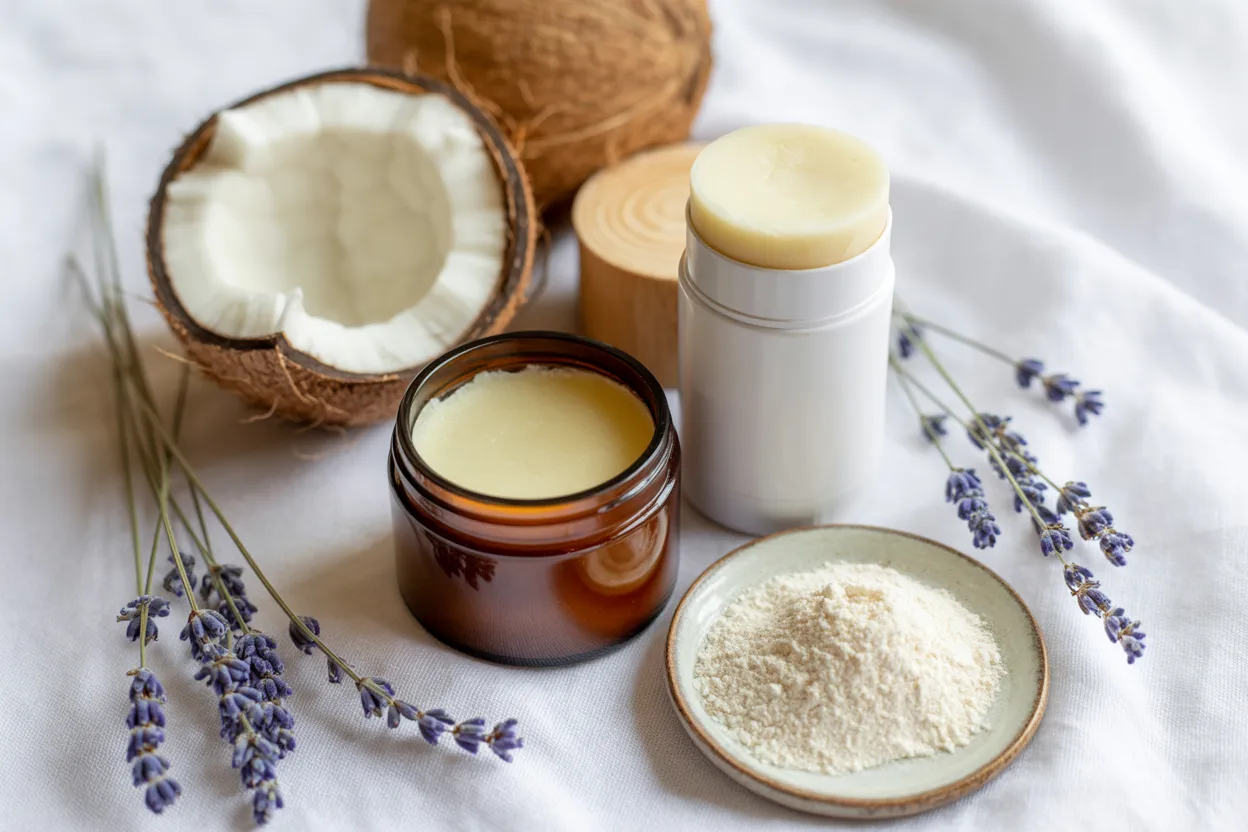
Coconut Oil: This tropical oil solidifies at cooler temperatures and liquefies when warm. It’s a popular ingredient in many body butter formulations.
For a complete natural body care routine that complements your body butter application, explore our natural body care collection, which features complementary products like natural soaps, scrubs, and lotions.
Benefits of Using Body Butter
1. Rich Moisture Layer
The concentrated formula of a body butter provides a rich layer on skin that differs from what typical lotions offer. The thick consistency creates a layer on your skin’s surface.
Why body butter is popular for dry skin:
- No water dilution = pure concentrated formula
- Creates layer on skin surface
- Different from regular lotion
- One application per day is typical
2. Popular for Stubborn Dry Areas
A quality body butter for dry skin is designed for use on areas that need extra attention. Apply to:
- Dry heels
- Rough elbows
- Dry knees
- Hands that need extra care
- Dry shins
- Any persistently dry patches
With regular use, some people notice:
- Skin feeling softer to the touch
- Changes in skin texture over time
- Rough areas may feel smoother
Results vary by individual. Consistency of use matters.
3. Natural Ingredient Content
A good body butter relies on plant-based ingredients rather than synthetic chemicals. These natural components include:
- Vitamins: A, E, C, K found in plant butters
- Antioxidants: Present in many natural formulations
- Fatty acids: Common in plant-based butters
- Natural aromatherapy: Essential oils for sensory experience
Learn more about the power of natural ingredients in our herbal wellness section.
4. Skin Surface Layer
Body butter creates a layer on your skin surface, popular for use during:
- Cold winter weather
- Dry indoor heating
- Wind exposure
- Low humidity environments
- After chlorine and salt water exposure
- Frequent hand washing
This type of formulation is especially popular for use year-round.
5. Cost-Effective Concentrated Formula
While body butter may cost more per jar than lotion, many find it economical:
- Requires less product per application
- Used less frequently than lotion
- One jar typically lasts 2-3 months
- More concentrated = different value per use
Cost comparison:
Popular for severe dryness: Body butter
Lotion: $0.10-0.30 per application (typically used 2-3x daily)
Body butter: $0.20-0.50 per application (typically used 1x daily)
Best Body Butter for Dry Skin: Natural Options Worth Considering
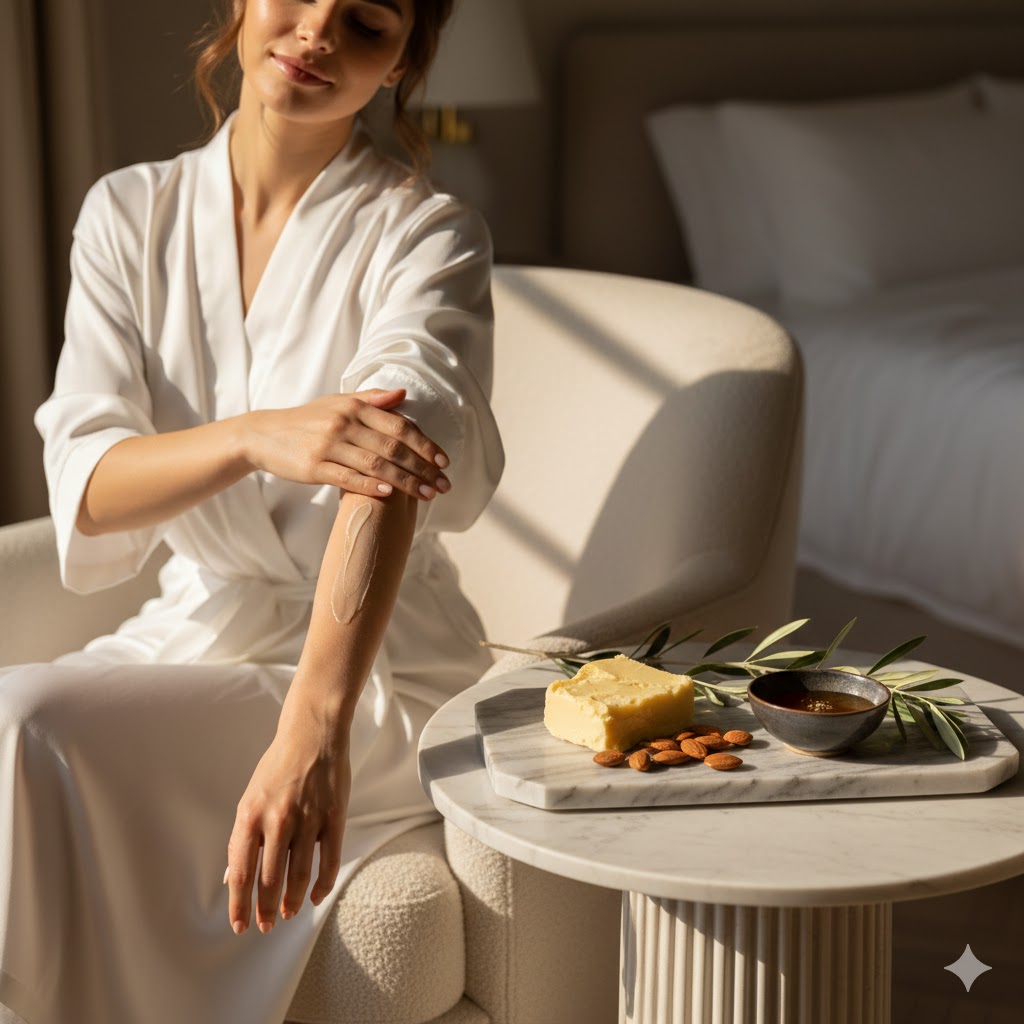
Finding quality body butter for dry skin requires understanding formulation basics. Popular natural formulations contain 50%+ pure shea or cocoa butter, zero water, and nourishing plant oils.
If you have very dry skin, choosing the right body butter comes down to ingredient quality, concentration, and texture. Formulas rich in unrefined plant butters and nourishing oils are popular choices. Below are some well-known natural options many people choose.
Availability may vary as products are subject to Amazon’s stock.
Quick Comparison Table
Quickly compare the most popular natural body butter options below:
| Product | Type | Size | Best For | Link |
|---|---|---|---|---|
| Yellow Brick Road Shea Butter | 100% Raw Unrefined | 8 oz | DIY, Maximum Purity | View on Amazon |
| Sky Organics Shea Butter | USDA Organic | 15 oz | Organic Users | View on Amazon |
| Era of Nature Mango Butter | Lightweight Butter | 32 oz | Lighter Texture | View on Amazon |
| Palmer’s Cocoa Butter | Cream Blend | 18.7 oz | Budget Friendly | View on Amazon |
| Cococare Stick | Stick Format | 2 Pack | Travel Use | View on Amazon |
| Organic Raw Cocoa Butter | Pure Block | 1 lb | DIY Use | View on Amazon |
1. Yellow Brick Road Raw Shea Butter
Why people choose it:
- Single-ingredient shea butter
- Unrefined texture with natural ivory color
- Popular for dry areas like elbows, knees, and heels
- Can be used for DIY skincare blends
- Minimal ingredient approach
Best suited for: Those who prefer simple formulations and full control over added ingredients.
2. Sky Organics Organic Shea Butter
Why people choose it:
- Certified organic shea butter
- Fair-trade sourcing practices
- Unrefined and suitable for multiple uses
- Larger container size for long-term use
- Popular among clean beauty enthusiasts
Best suited for: Shoppers prioritizing certified organic and ethically sourced ingredients.
3. Era of Nature Mango Butter
Why people choose it:
- Mango seed butter with lighter feel than shea
- Popular choice in warmer climates
- Works well in DIY body and hair formulations
- Firm texture that melts with body heat
- Versatile multi-purpose use
Best suited for: Those who want a lighter alternative to heavier butters.
4. Palmer’s Cocoa Butter Formula
Why people choose it:
- Cocoa butter-based formula
- Cream texture compared to raw butters
- Easy daily application
- Widely available option
- Recognizable heritage brand
Best suited for: Those transitioning from lotion to a richer moisturizer.
5. Cococare Cocoa Butter Stick
Why people choose it:
- Solid stick format for targeted areas
- Compact and travel-friendly
- Easy application without scooping
- Suitable for dry patches
- Minimalist ingredient profile
Best suited for: On-the-go use and localized dry spots.
6. Organic Raw Cocoa Butter Block
Why people choose it:
- Pure cocoa butter block format
- Firm texture that softens when warmed
- Multi-purpose use (body or DIY blends)
- Often selected by ingredient-focused shoppers
- Simple, concentrated formulation
Best suited for: Those who prefer pure cocoa butter without added ingredients.
🎯 Quick Product Selection Guide
Choose THIS natural body butter if you want THAT:
| Your Priority | Recommended Natural Choice | Why |
|---|---|---|
| Maximum purity & DIY | Yellow Brick Road Shea Butter | 100% raw, Grade A, customizable |
| Organic certification | Sky Organics Shea Butter | USDA certified, fair-trade, 15 oz |
| Lightweight natural option | Era of Nature Mango Butter | 32 oz, fast-absorbing, DIY |
| Budget natural option | Palmer’s Cocoa Butter | Affordable classic, 18.7 oz |
| Natural travel skincare | Cococare Stick | 100% pure, portable, 2-pack |
| Pure cocoa butter | Organic Raw Cocoa Butter | 1 lb, food-grade, versatile |
💚 Why Choose Natural Body Butter?
Natural body butter aligns with clean beauty principles:
- ✅ Plant-based ingredients – No petroleum derivatives
- ✅ Minimal processing – Natural composition preserved
- ✅ Traditional ingredients – Used for centuries
- ✅ Sustainable sourcing – Supports communities
- ✅ Customizable – Add your own scents
- ✅ Multi-purpose – Body, hair, DIY
- ✅ Clean ingredient lists – You can pronounce everything
Types of Body Butter for Different Needs
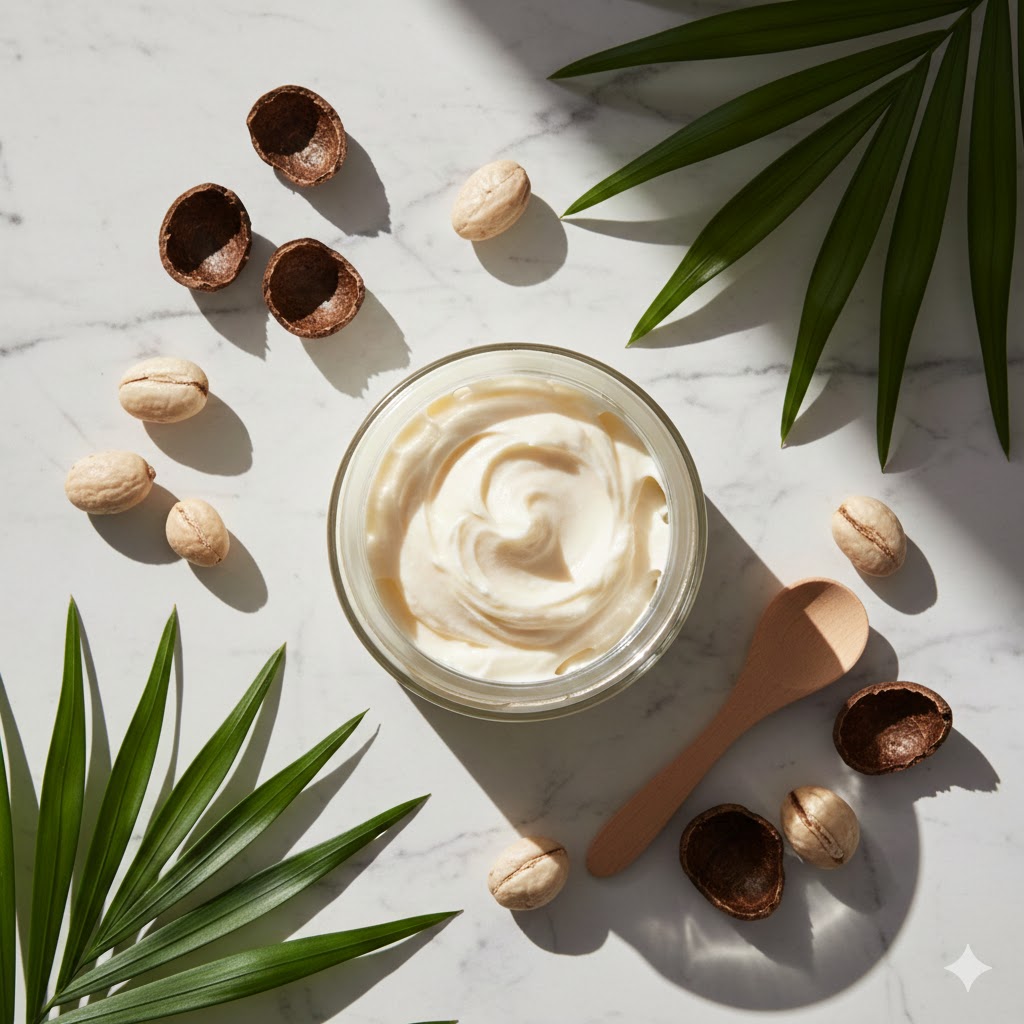
Traditional Body Butter (Pure, Concentrated)
Characteristics:
- Solid or semi-solid at room temperature
- 0-10% water content
- Requires warming between palms
- Most concentrated formula
Suitable for: Very dry skin, nighttime use, dry areas
Body Butter Cream (Easy-Spread Formula)
Characteristics:
- Creamier, spreadable consistency
- 10-30% water content
- Easier to apply than pure butter
- Good balance of richness and usability
Suitable for: Daily all-over application, normal to dry skin
Body butter cream products bridge the gap between intensive body butter and regular lotion. They spread more easily while still offering a richer feel than typical lotions.
Whipped Body Butter (Airy, Fluffy Texture)
Characteristics:
- Airy, mousse-like consistency
- Spreads easily
- Absorbs faster than traditional
- Same moisturizing ingredients, different texture
Suitable for: Daily use, under clothing, those who find traditional butter too heavy
How it’s made: Whipping incorporates air, creating volume and lighter feel
Solid Body Butter Bars & Sticks
Characteristics:
- Concentrated bar/stick form
- Melts on contact with skin
- Travel-friendly, no spills
- Zero-waste option
Suitable for: Travel, targeted application, gym bags, eco-conscious users
Scented vs. Unscented Body Butter
Naturally scented body butter:
- Pure cocoa butter (chocolate aroma)
- Unrefined shea butter (nutty scent)
- Mango butter (subtle tropical)
- Essential oil additions (lavender, vanilla)
- Natural aromatherapy experience
Unscented body butter:
- Popular for sensitive skin
- Won’t interfere with perfume
- Simpler formulation
- Suitable for children
Recommendation: Start with unscented pure butter if you have sensitive skin
Specialty Natural Body Butter Formulations
For Pregnancy:
- High cocoa butter content
- Added vitamin E
- Some people choose to use body butter during pregnancy
For Sensitive Skin:
- Minimal ingredients
- Fragrance-free
- Pure, unrefined options
For DIY Skincare:
- Large quantities
- 100% pure ingredients
- Versatile use
How to Choose a Good Body Butter: Complete Buying Guide
What Makes a Good Natural Body Butter?
A good natural body butter should have:
- ✅ High butter content – First 1–3 ingredients should be plant butters
- ✅ Minimal water – Under 10% for concentrated formula
- ✅ Natural ingredients – Recognizable plant-based components
- ✅ No synthetic fragrances – Essential oils or naturally scented only
- ✅ Appropriate texture – Matches your usage needs (daily vs. intensive)
- ✅ Quality packaging – Glass or metal preserves freshness
- ✅ Fresh batch – Check manufacturing/expiration dates
Step-by-Step: Finding YOUR Ideal Natural Body Butter
STEP 1: Identify Your Skin Type
📊 Skin Type Guide:
- Very Dry Skin → Consider: Pure shea butter or cocoa butter (50-100% concentration)
- Normal Skin → Consider: Body butter cream or mango butter
- Sensitive Skin → Consider: Fragrance-free pure shea, minimal ingredients
- Oily/Combination → Consider: Mango butter, lighter natural blends
STEP 2: Consider Your Climate
🌡️ Climate Matching:
- Cold/Dry winters → Heavy, pure body butter (shea or cocoa)
- Humid climates → Lighter mango butter
- Year-round moderate → Versatile pure shea butter
- Extreme dryness → Maximum concentration raw butters
STEP 3: Read Ingredient Lists
🔍 What to look for in natural body butter:
GOOD ingredients (should be first 3 listed):
- Shea butter (Butyrospermum Parkii)
- Cocoa butter (Theobroma Cacao)
- Mango butter (Mangifera Indica)
- Coconut oil (Cocos Nucifera)
- Natural oils (jojoba, almond, avocado)
AVOID these ingredients:
- Water as first ingredient (that’s lotion, not butter)
- “Fragrance” or “Parfum” (synthetic)
- Mineral oil or petrolatum
- Parabens (methylparaben, propylparaben)
- Artificial colors (FD&C)
STEP 4: Check Certifications
🏆 Quality indicators for natural products:
- ✓ USDA Organic – No pesticides, verified natural
- ✓ Fair Trade – Ethical sourcing, supports communities
- ✓ Cruelty-Free – No animal testing
- ✓ Non-GMO – No genetically modified ingredients
- ✓ Grade A – Highest quality
STEP 5: Consider Scent Preferences
👃 Natural scent guide:
Unscented/Natural:
- Pure shea butter (nutty)
- Cocoa butter (chocolate)
- Mango butter (subtle fruit)
Naturally Scented:
- Add your own essential oils to pure butter
- Lavender (relaxing)
- Vanilla (comforting)
- Coconut (tropical)
Recommendation for beginners: Start with pure unscented butter, add your own essential oils later for complete control
STEP 6: Determine Your Budget
💰 Natural body butter price vs. value:
Budget-Friendly ($10-15): Pure shea butter (8 oz), cocoa butter blends (18.7 oz), stick formats
Mid-Range ($15-25): Organic certified shea (15 oz), pure cocoa butter (1 lb)
Best Value for DIY ($25-35): Mango butter (32 oz) – Biggest size, best price per ounce
Popular choice: Pure organic shea butter
Quick Decision Guide
Choose THIS natural product if you want THAT:
| Your Need | Recommended Choice |
|---|---|
| Maximum purity | Yellow Brick Road Pure Shea |
| Organic certification | Sky Organics Shea Butter |
| Lightweight natural | Era of Nature Mango Butter |
| Budget natural option | Palmer’s Cocoa Butter |
| Travel convenience | Cococare Cocoa Butter Stick |
| Pure cocoa butter | Organic Raw Cocoa Butter |
Body Butter Comparison Table
| Product | Best For | Texture | Key Feature | Size |
|---|---|---|---|---|
| Yellow Brick Road Shea Butter | Maximum purity | Rich | 100% pure | 8 oz |
| Sky Organics Shea Butter | Organic option | Creamy | USDA Organic | 15 oz |
| Era of Nature Mango Butter | Lightweight feel | Smooth | Large size | 32 oz |
| Palmer’s Cocoa Butter | Budget choice | Medium | Affordable | 7.25 oz |
| Cococare Cocoa Butter Stick | Travel use | Solid | Easy application | 1 oz |
👉 Check availability and price on Amazon
Red Flags to Avoid
🚩 Skip products that:
- List water as first ingredient
- Use synthetic fragrances
- Have mostly unrecognizable chemical names
- Lack ingredient transparency
- Have consistently negative reviews about texture
- Are priced suspiciously low for “organic” claims
- Contain petroleum derivatives
Still Not Sure? Start Here:
If you’re new to natural body butter, we recommend starting with:
🥇 First Choice: Yellow Brick Road Pure Shea Butter
- Why: Maximum versatility, customizable, good value, truly natural
- Price: ~$12-15 for 8 oz
- Lasts: 2-3 months with daily use
- Natural ingredients: 100% pure, traditional ingredient, African Grade A
🥈 Second Choice: Sky Organics Organic Shea Butter
- Why: USDA certified, fair-trade, verified organic
- Price: ~$15-18 for 15 oz
- Popular with: Those prioritizing certifications
🥉 Third Choice for DIY: Era of Nature Mango Butter
- Why: Huge 32 oz size, good value, lighter texture
- Price: ~$25-30 for 32 oz
- Popular with: DIY enthusiasts, those wanting variety
How to Use Body Butter: Step-by-Step Application Guide
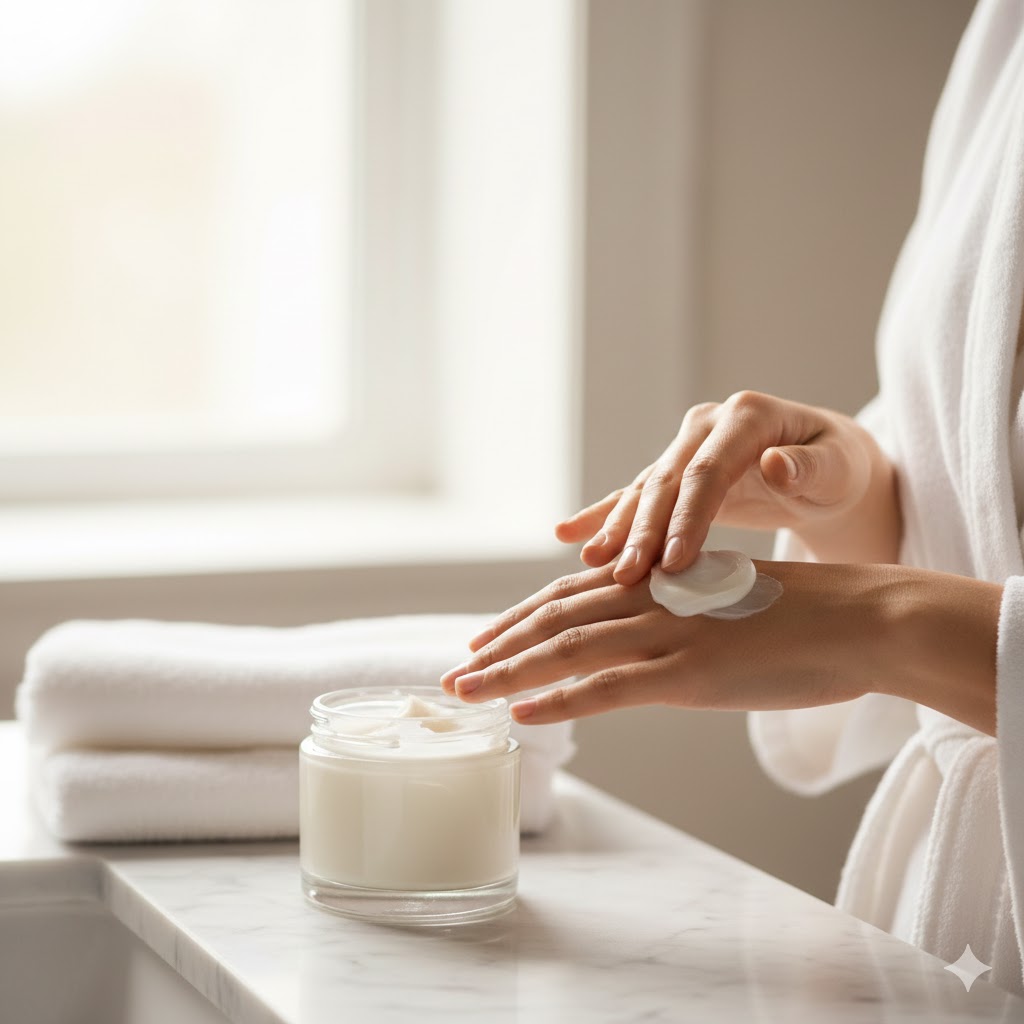
Many people wonder “how do I use a body butter?” The application technique makes a difference between greasy residue and comfortable skin.
⏰ Popular Times to Apply Body Butter
#1 POPULAR TIME: After Showering
This is a common application timing. Many people prefer applying body butter when skin is slightly damp.
Common post-shower technique:
- Pat skin with towel until barely damp (not dripping)
- Wait 2-3 minutes (not completely dry)
- Apply body butter
- The dampness helps with smoother application
- Creates a protective moisturizing layer
💡 Tip: This timing is popular with many users!
#2 Before Bed
Nighttime application = use while you sleep
Overnight care routine:
- Apply generous amount to feet
- Put on cotton socks
- Leave on overnight
- Repeat nightly if desired
#3 During Winter
❄️ Winter routine:
- Many people increase from 1x daily → 2x daily
- Morning after shower + evening before bed
- Popular when temperature drops below 40°F
- Continue until spring
🎯 Common Application Technique (5 Steps)
STEP 1: Start with the Right Skin Condition
- Clean skin (after shower is popular)
- Slightly damp, not dripping wet
- Not bone dry
STEP 2: Use the Typical Amount
📏 Body butter amount guide:
- Each leg: Quarter-size (1 tablespoon)
- Each arm: Nickel-size (1 teaspoon)
- Torso: 2 tablespoons total
- Feet: Teaspoon per foot
- Hands: Pea-size per hand
- Elbows/knees: Dime-size per area
💡 Remember: Less is more! You can always add more.
STEP 3: Warm the Butter
- Scoop amount into palms
- Rub hands together 5-10 seconds
- Butter should begin melting
- Now it spreads easily
STEP 4: Apply with Massage Motion
- Use circular upward motions
- Move toward your heart
- Gentle pressure
- Don’t rub vigorously
- Take your time (1-2 minutes per area)
STEP 5: Allow Absorption Time
- Wait 3-5 minutes before dressing
- Sit, relax, let it sink in
- Check for any excess
- Pat with tissue if still greasy after 10 minutes
🗓️ How Often to Use Body Butter
For very dry skin:
- 2x daily (morning + night) is common
- Daily application
- Increase during winter
For normal skin:
- 1x daily (after evening shower) is typical
- Can skip humid summer days
- Always after exfoliation
For dry areas only:
- 2x daily on target areas
- Morning and bedtime
- Even if rest of body doesn’t need it
💾 Storage Tips for Maximum Freshness
Recommended storage conditions:
- Temperature: 60-75°F (15-24°C)
- Cool, dark cabinet (not bathroom)
- Away from windows and heat
- Tightly sealed after each use
If body butter melts:
- Don’t panic – it can be used!
- Refrigerate 30-60 minutes
- Texture may change (slightly grainy)
- Properties remain
- Store in cooler location going forward
Shelf life indicators:
✅ Fresh body butter:
- Consistent smooth texture
- Original scent (or unscented)
- No separation
- Melts evenly when warmed
❌ Expired body butter:
- Rancid odor (most obvious sign)
- Color changes (yellowing)
- Visible mold (dark spots)
- Won’t remix if separated
Average shelf life: 6-12 months (natural products)
🔄 Layering Body Butter with Other Natural Products
Common order (thin to thick):
- FIRST: Body oil or serum (optional)
- Apply to damp skin
- Let absorb 1 minute
- SECOND: Light lotion (if extra dry)
- Very thin layer
- Let absorb 1-2 minutes
- FINAL: Body butter (top layer)
- Seals in previous products
- Creates layer
💡 Natural combination: Natural body oil on wet skin immediately after shower, then pure body butter 5 minutes later when almost dry
🎯 Targeted Application for Dry Areas
For Dry Heels:
- Exfoliate with pumice stone
- Apply thick layer of pure cocoa or shea butter
- Wear cotton socks overnight
- Repeat nightly for 1-2 weeks
- Maintenance 2-3x weekly after
For Rough Elbows/Knees:
- Gentle exfoliation 2x weekly
- Apply after every shower
- Extra application before bed
- Use consistently
For Dry Hands:
- Keep small container of pure butter at each sink
- Apply after every hand washing
- Massage into cuticles
- Heavy application + gloves at night
For Full Body:
- Start at feet, work upward
- Use circular motions
- Follow direction toward heart
- Extra on known dry spots
❌ Common Application Mistakes to Avoid
What Are Common Body Butter Mistakes?
Common body butter mistakes include applying it to completely dry skin, using too much product, not warming it between your hands, dressing too quickly, and skipping dry areas like heels and elbows. Proper application may improve the overall user experience.
- Mistake #1: Applying to completely dry skin → Tip: Apply to barely damp skin after shower
- Mistake #2: Using too much product → Tip: Start with less, add more if needed
- Mistake #3: Not warming butter first → Tip: Rub between palms 5–10 seconds
- Mistake #4: Dressing immediately → Tip: Wait 3–5 minutes for absorption
- Mistake #5: Skipping dry areas → Tip: Apply extra to heels, elbows, knees
📱 Quick Reference Guide
Save this guide:
✅ DO:
- Apply to damp skin
- Warm between palms first
- Use circular motions
- Allow absorption time
- Store in cool, dark place
- Check expiration dates
❌ DON’T:
- Apply to dripping wet skin
- Use cold butter straight from jar
- Rub in vigorously
- Dress immediately after
- Store in hot bathroom
- Dip wet fingers in jar
For complementary haircare routines and natural wellness tips, explore our natural haircare guide.
Body Butter Ingredients: Complete Guide to Natural Components
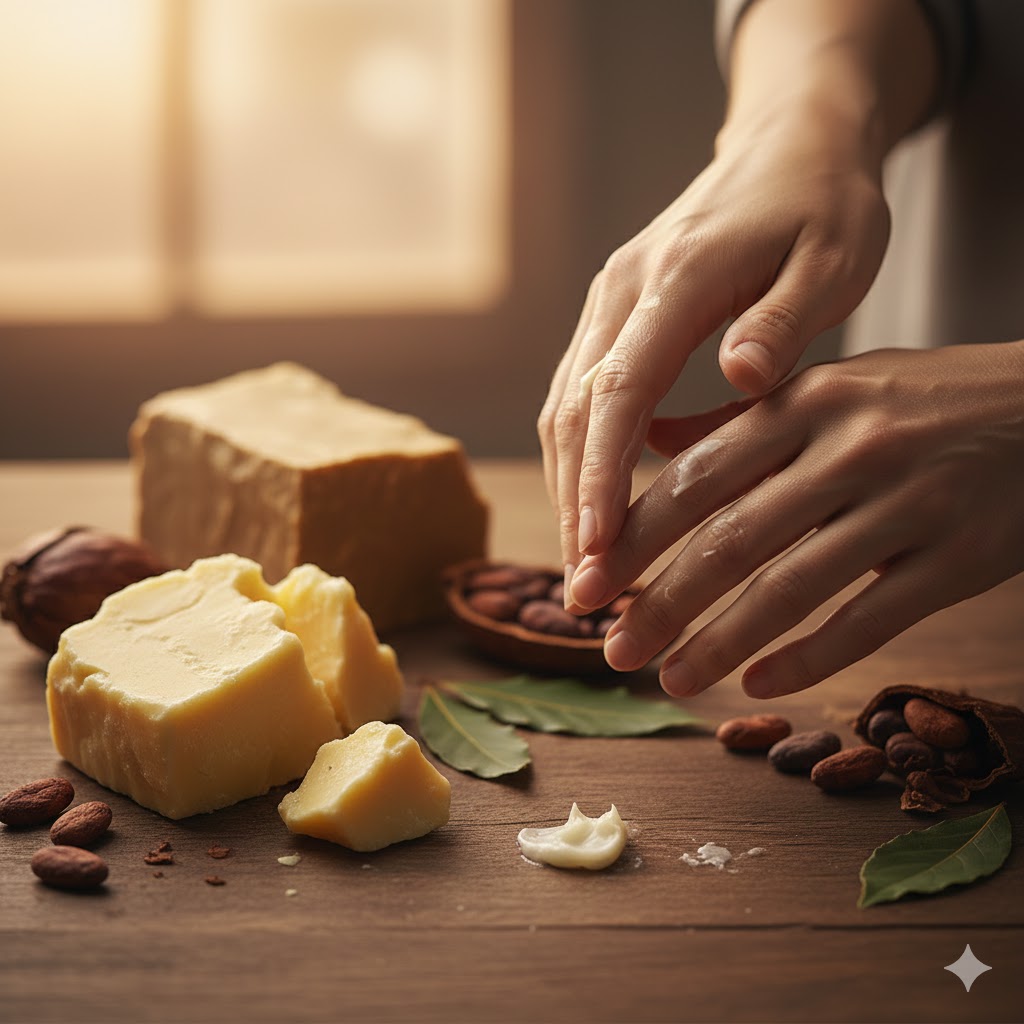
Understanding what goes into your body butter helps you make informed choices. Here’s a complete breakdown of common natural ingredients found in body butter formulations.
🌿 Primary Plant Butters (Base Ingredients)
1. Shea Butter (Butyrospermum Parkii)
Source: African shea tree nuts
Characteristics:
- Ivory to light yellow color
- Nutty, earthy scent when unrefined
- Soft, creamy texture
- Melts at body temperature (around 90°F)
Natural composition:
- Oleic acid (40-60%)
- Stearic acid (20-50%)
- Linoleic acid (3-11%)
- Vitamins A and E
- Natural plant compounds
Popular uses: Full-body moisturizer, dry patches, DIY formulations
Grades available:
- Grade A (Unrefined): Most nutrient-rich, natural scent
- Grade B (Refined): Processed, less scent, white color
2. Cocoa Butter (Theobroma Cacao)
Source: Cocoa beans (same plant as chocolate)
Characteristics:
- Pale yellow color
- Rich chocolate aroma
- Firm texture at room temperature
- Melts at 93-101°F
Natural composition:
- Palmitic acid (25-27%)
- Stearic acid (33-35%)
- Oleic acid (32-35%)
- Natural antioxidants
Popular uses:Popular choice for body care routines, including during pregnancy, DIY recipes
3. Mango Butter (Mangifera Indica)
Source: Mango fruit seeds
Characteristics:
- White to light yellow
- Subtle, pleasant aroma
- Firm but spreadable
- Many users find it feels lighter than shea or cocoa butter
Natural composition:
- Oleic acid (45-50%)
- Stearic acid (40-45%)
- Vitamins A, C, and E
Popular uses: Summer body butter, daytime use, lighter alternative
4. Kokum Butter (Garcinia Indica)
Source: Kokum tree seeds (India)
Characteristics:
- Hard, brittle texture
- Virtually odorless
- Non-greasy feel
- Often used in products designed for sensitive skin
Popular uses: Sensitive skin products, fragrance-free formulations
🌾 Carrier Oils (Supporting Ingredients)
1. Coconut Oil (Cocos Nucifera)
- Solid below 76°F, liquid above
- Light coconut scent
- Popular in body butter blends
- Contains lauric acid
2. Sweet Almond Oil (Prunus Amygdalus Dulcis)
- Light texture
- Mild, nutty scent
- Rich in vitamin E
- Popular for sensitive skin
3. Jojoba Oil (Simmondsia Chinensis)
- Actually a liquid wax
- Similar to skin’s natural oils
- Long shelf life
- Non-comedogenic
4. Avocado Oil (Persea Gratissima)
- Rich, thick texture
- Green tint
- Vitamins A, D, E
- Popular for very dry skin
5. Grapeseed Oil (Vitis Vinifera)
- Very light texture
- Has a lightweight feel
- Non-greasy
- Popular in summer formulations
🌸 Essential Oils (Natural Scent & Aromatherapy)
Popular essential oils in natural body butter:
Lavender (Lavandula Angustifolia)
- Calming floral scent
- Popular for bedtime formulations
- Pleasant aromatherapy experience
Vanilla (Vanilla Planifolia)
- Sweet, comforting aroma
- Popular in dessert-scented products
- Warm, cozy scent
Peppermint (Mentha Piperita)
- Refreshing, cooling sensation
- Popular for foot butters
- Invigorating scent
Tea Tree (Melaleuca Alternifolia)
- Fresh, medicinal scent
- Popular ingredient in many formulations
- Clean, crisp aroma
Eucalyptus (Eucalyptus Globulus)
- Strong, camphor-like scent
- Popular in winter formulations
- Refreshing aromatherapy experience
🔬 Natural Additives (Optional Enhancers)
Vitamin E (Tocopherol)
- Natural antioxidant
- Extends shelf life
- Common in natural formulations
- Typically 0.5-1% of formula
Beeswax (Cera Alba)
- Natural thickener
- Adds firmness to butter
- Pleasant honey scent
- Creates layer on skin
Arrowroot Powder (Maranta Arundinacea)
- Reduces greasy feel
- Helps reduce greasy feel
- Creates silky texture
- Natural alternative to talc
Rosehip Seed Oil (Rosa Canina)
- Rich in vitamins A and C
- Orange-red color
- Popular ingredient in formulations
- Lightweight texture
⚠️ Ingredients to Avoid in Natural Body Butter
If you want truly natural body butter, avoid products containing:
❌ Synthetic Fragrances
- Listed as “Fragrance” or “Parfum”
- Can contain hundreds of unlisted chemicals
- Some people prefer to avoid them
- Natural alternative: Essential oils or unscented
❌ Parabens
- Methylparaben, Propylparaben, Butylparaben
- Synthetic preservatives
- Natural alternative: Vitamin E, rosemary extract
❌ Mineral Oil & Petroleum Derivatives
- Petrolatum, Paraffin
- Not plant-based
- Creates barrier on skin
- Natural alternative: Plant butters and oils
❌ Sulfates
- SLS (Sodium Lauryl Sulfate)
- Shouldn’t be in body butter anyway
- Sign of low-quality product if present
❌ Synthetic Colors
- FD&C or D&C colors
- Artificial dyes
- Unnecessary in natural products
- Natural alternative: Natural plant colors (turmeric, beetroot powder)
📊 Ideal Natural Body Butter Formula Breakdown
A good natural body butter typically contains:
- 50-70%: Primary plant butter (shea, cocoa, or mango)
- 20-40%: Carrier oils (coconut, almond, jojoba)
- 5-10%: Secondary butters or specialty oils
- 0.5-2%: Essential oils (if scented)
- 0.5-1%: Vitamin E or natural preservatives
- 0-5%: Natural additives (arrowroot, beeswax)
🔍 How to Read Body Butter Ingredient Labels
Ingredients are listed by weight, from highest to lowest:
Example of GOOD natural body butter label:
Ingredients: Organic Shea Butter (Butyrospermum Parkii), Organic Coconut Oil (Cocos Nucifera), Sweet Almond Oil (Prunus Amygdalus Dulcis), Vitamin E (Tocopherol), Lavender Essential Oil (Lavandula Angustifolia)
✅ Why it’s good:
- Shea butter is first = main ingredient
- All natural, recognizable ingredients
- Organic certifications noted
- Natural essential oil for scent
- Natural preservative (Vitamin E)
Example of POOR quality label:
Ingredients: Water, Mineral Oil, Shea Butter, Fragrance, Parabens, Artificial Color
❌ Why it’s poor:
- Water first = mostly water (this is lotion, not butter)
- Mineral oil = petroleum derivative
- Synthetic fragrance
- Parabens = synthetic preservatives
- Artificial color = unnecessary chemicals
💡 Natural Body Butter Ingredient Tips
- Unrefined is better than refined for maximum nutrients
- Organic certification helps reduce exposure to pesticides
- Cold-pressed oils retain more natural properties
- Shorter ingredient lists often indicate higher quality natural products
- If you can’t pronounce it, research it before buying
- Natural doesn’t always mean better – some people are allergic to natural ingredients too
- Patch test any new product, even if it’s all-natural
For more information on natural wellness and herbal remedies that complement your skincare routine, visit our herbal wellness section.
Body Butter vs. Lotion vs. Cream: Complete Comparison
Understanding the differences between body butter, lotion, and cream helps you choose the right product for your needs.
📊 Quick Comparison Table
| Feature | Body Butter | Body Cream | Body Lotion |
|---|---|---|---|
| Water Content | 0-10% | 30-50% | 60-80% |
| Texture | Thick, solid | Medium, creamy | Thin, liquid |
| Application Feel | Rich, takes time | Moderate | Quick, light |
| Absorption Speed | Slow (5-10 min) | Medium (2-5 min) | Fast (30 sec-2 min) |
| Suitable For | Very dry skin | Normal to dry | Normal to oily |
| Popular Use Time | Night/winter | Day or night | Morning/summer |
| Typical Price/oz | $2-5 | $1-3 | $0.50-2 |
| Jar Lasts | 2-3 months | 1-2 months | 2-4 weeks |
🔬 Detailed Comparison
Body Butter
Formulation:
- 0-10% water
- 50-70% plant butters
- 20-40% oils
- Solid at room temperature
Pros:
- ✅ Most concentrated formula
- ✅ Creates rich layer on skin
- ✅ Many users find a small amount is sufficient
- ✅ Popular for very dry skin
- ✅ Natural plant-based options available
- ✅ Can be customized (add own scents)
Cons:
- ❌ Takes longer to absorb
- ❌ Can feel greasy if too much used
- ❌ Requires warming between palms
- ❌ May melt in hot climates
- ❌ Not suitable for oily skin types
Body Cream
Formulation:
- 30-50% water
- 30-50% oils/butters
- 10-20% emulsifiers
- Thick cream consistency
Pros:
- ✅ Easier to spread than butter
- ✅ Moderately rich
- ✅ Suitable for daily use
- ✅ Good middle ground
- ✅ Works year-round
Cons:
- ❌ Contains emulsifiers (more ingredients)
- ❌ Less concentrated than butter
- ❌ May not be enough for very dry skin
- ❌ Shorter shelf life than butter
Body Lotion
Formulation:
- 60-80% water
- 10-30% oils
- 5-15% emulsifiers
- Thin, pourable liquid
Pros:
- ✅ Feels light on the skin
- ✅ Non-greasy feel
- ✅ Suitable for daily use
- ✅ Works well in summer
- ✅ Suitable for normal to oily skin
- ✅ Widely available
Cons:
- ❌ Least concentrated
- ❌ Some users prefer more frequent application
- ❌ May not be enough for very dry skin
- ❌ Mostly water (lower value)
- ❌ Often contains more preservatives
🎯 Which Should You Choose?
Choose BODY BUTTER if:
- You have very dry skin
- You live in cold/dry climate
- You have persistently dry areas (heels, elbows)
- You prefer natural, concentrated products
- You don’t mind waiting for absorption
- You apply moisturizer at night
- You want long-lasting moisture
Choose BODY CREAM if:
- You have normal to dry skin
- You want middle-ground richness
- You need all-season product
- You want something spreadable
- You apply morning and night
Choose BODY LOTION if:
- You have normal to oily skin
- You live in humid climate
- You want fast absorption
- You apply before dressing quickly
- You need summer moisturizer
- You prefer non-greasy feel
💡 Pro Tip: Layering Strategy
Many people use different products for different situations:
- Morning: Light lotion (quick absorption, under clothes)
- Evening: Body butter (rich overnight care)
- Summer: Lotion or light cream
- Winter: Body butter
- Dry patches: Targeted body butter application
- Rest of body: Lotion or cream
Frequently Asked Questions About Body Butter
1. Can I use body butter on my face?
Body butter is typically too heavy for facial skin. The concentrated formula designed for thicker body skin may clog facial pores. Instead:
- Use face-specific products
- If you must use body butter on face, choose non-comedogenic formulas
- Apply very sparingly
- Popular for extremely dry patches on face only
Explore our natural skincare collection for face-appropriate products.
2. Can body butter be used during pregnancy?
Yes, body butter is commonly used during pregnancy. Many people apply it to:
- Growing belly
- Breasts
- Hips and thighs
- Any area experiencing body changes
For pregnancy use:
- Choose fragrance-free or lightly scented options
- Look for pure, natural formulations
- Avoid products with essential oils if you’re sensitive
- Popular choices: pure shea butter, cocoa butter
- Body butter is commonly used as a cosmetic moisturizer, though individual results vary
Important: Body butter is a cosmetic moisturizer. Consult your healthcare provider for specific concerns during pregnancy.
3. How long does body butter last?
Shelf life (unopened):
- Natural body butter: 12-24 months
- Commercial formulations: 2-3 years
- Check expiration date on packaging
After opening:
- Natural/preservative-free: 6-12 months
- With natural preservatives (Vitamin E): 12-18 months
- Commercial products: 12-24 months
How to maximize shelf life:
- Store in cool, dark place (60-75°F)
- Keep lid tightly closed
- Use clean, dry fingers or spatula
- Avoid water contamination
- Don’t store in bathroom (humidity)
4. Is body butter good for eczema or psoriasis?
Body butter is a cosmetic moisturizer, not a medical treatment. However, many people with dry skin conditions use it as part of their skin care routine.
Considerations:
- Choose fragrance-free formulations
- Look for minimal ingredients
- Pure shea butter is a popular choice
- Patch test first on small area
- Individual responses vary
Important: Consult a dermatologist for proper diagnosis and treatment of skin conditions. Body butter is not intended to treat, cure, or diagnose any medical condition.
5. Can men use body butter?
Absolutely! Body butter is suitable for anyone with dry skin, regardless of gender.
Popular uses for men:
- Post-shave moisturizer (face, head, body)
- Dry hands (mechanics, construction workers)
- Dry heels and feet
- After outdoor activities (hiking, sports)
- Winter skin care
Recommended for men:
- Unscented pure shea or cocoa butter
- Masculine scents: cedarwood, sandalwood, peppermint
- Whipped body butter (lighter feel)
- Stick format (easy, no-mess application)
6. Does body butter expire?
Yes, body butter does expire, especially natural formulations.
Signs of expired body butter:
- Rancid smell (most obvious sign)
- Color changes (yellowing, darkening)
- Mold or dark spots
- Separation that won’t remix
- Grainy texture that doesn’t smooth
- Change in consistency
What to do if body butter expires:
- Discard immediately
- Don’t use on skin if any signs of spoilage
- Check purchase date and storage conditions
- Buy fresh batch
7. Can I make my own body butter at home?
Yes! Many people make DIY body butter at home.
Basic natural body butter recipe:
Ingredients:
- 1/2 cup shea butter
- 1/4 cup coconut oil
- 1/4 cup almond oil
- 10-15 drops essential oil (optional)
Method:
- Melt shea butter and coconut oil in double boiler
- Remove from heat, add almond oil
- Refrigerate until semi-solid (1-2 hours)
- Whip with electric mixer until fluffy
- Add essential oils if desired
- Store in clean jar
DIY advantages:
- Control all ingredients
- Customize scent
- Cost-effective for large batches
- Know exactly what’s in it
- Fun, creative activity
DIY considerations:
- Shorter shelf life without preservatives
- Requires sterile containers
- Takes practice to get consistency right
- Need quality ingredients
8. Why does my body butter feel grainy?
Graininess in body butter happens when butter crystals form.
Common causes:
- Temperature fluctuations during storage
- Melting and re-solidifying
- Natural process with unrefined butters
- Rapid cooling after melting
Is grainy body butter still usable?
- Yes! It’s completely safe
- Properties remain the same
- Just a texture change
- Will melt on skin as usual
How to fix grainy body butter:
- Melt completely in double boiler
- Cool to room temperature slowly
- Place in refrigerator
- Once solid, whip with mixer
- Store at consistent cool temperature
Prevention:
- Store at consistent temperature
- Avoid hot locations (cars, windowsills)
- Don’t refrigerate unless melted
- Keep away from heat sources
9. Can body butter clog pores?
It depends on the ingredients and where you apply it.
Comedogenicity ratings (0-5 scale, higher = more likely to clog):
- Shea butter: 0-2 (low risk)
- Cocoa butter: 4 (moderately high)
- Coconut oil: 4 (moderately high)
- Mango butter: 2 (low to moderate)
- Jojoba oil: 2 (low to moderate)
Recommendations:
- For body: Generally fine for most people
- For face: Avoid if acne-prone
- For chest/back: Use cautiously if prone to body acne
- If concerned: Choose shea-based or mango-based formulas
10. What’s the difference between whipped and regular body butter?
Regular Body Butter:
- Dense, compact texture
- Solid at room temperature
- More concentrated
- Smaller volume per ounce
- Takes effort to scoop
Whipped Body Butter:
- Fluffy, airy texture
- Soft and spreadable
- Same ingredients, more volume
- Easier to apply
- Absorbs slightly faster
Key difference: Whipping incorporates air, making the same amount of ingredients take up more space. Same moisturizing properties, different texture experience.
Which to choose:
- Whipped: If you want easier application, lighter feel
- Regular: If you want maximum concentration, longer lasting
Conclusion: Find Your Natural Body Butter Today
Body butter is a popular natural option for those seeking rich moisture. By choosing pure, natural body butter formulations, you’re choosing traditional ingredients while avoiding synthetic chemicals and unnecessary additives.
You can refer to the comparison table and product recommendations above to choose the natural body butter that best fits your needs.
Key Takeaways: Natural Body Butter Essentials
✅ What is body butter: A water-free (0-10%), plant-based concentrated moisturizer
✅ Popular for: Very dry skin, winter care, overnight use, dry areas (heels, elbows, knees)
✅ How to use: Apply to damp skin after showering, warm between palms, massage in circular motions, wait 3-5 minutes
✅ Top natural ingredients: Pure shea butter, organic cocoa butter, raw mango butter, natural oils (jojoba, almond, avocado)
✅ A good natural body butter has: Pure plant butters as first ingredients, minimal/no water, natural oils, no synthetic fragrances, organic certifications
🌿 Complete Your Natural Care Routine
Body butter works well as part of a comprehensive natural skincare approach:
🌿 Natural Body Care – Pure soaps, scrubs, and natural products
🌿 Natural Skincare – Face care with botanical ingredients
🌿 Natural Haircare – Plant-based hair care
🌿 Herbal Wellness – Holistic natural health support
Next Steps: Choose Your Body Butter
Understanding what is body butter and how to use natural body butter can help you choose the right product.
👉 Your Next Steps:
- Identify your skin type (very dry, normal, sensitive, oily)
- Choose your natural formulation (pure butter, organic certified, raw mango)
- Select a pure product from our recommendations above
- Order on Amazon (fast shipping, easy returns)
- Start your routine
🎁 Natural Tip: Order 2 jars – one pure shea butter for customizing, one ready-to-use formula. Natural variety!
Still Have Questions?
💬 Drop a comment below – We answer questions about natural body butter!
📧 Subscribe for more natural skincare tips and pure product recommendations
📱 Share this guide with anyone seeking natural solutions for dry skin
⭐ Pin this article for easy reference
Recommended Starting Point
If you’re new to natural body butter and unsure where to start, many people begin with Yellow Brick Road Pure Shea Butter. At approximately $12-15 for an 8oz jar, it offers good value, maximum natural versatility, and you can customize it with your own essential oils. It aligns with clean beauty principles.
🌿 Why Choose Natural Body Butter?
Pure, natural body butter characteristics:
- ✅ 100% plant-based – No petroleum, no synthetics
- ✅ Minimal processing – Raw nutrients preserved
- ✅ Traditional ingredients – Used safely for centuries
- ✅ Ethical sourcing – Fair-trade supports communities
- ✅ Customizable purity – Add your own natural scents
- ✅ Multi-purpose natural – Body, hair, lips, DIY base
- ✅ Clean ingredients – You can pronounce everything
- ✅ Sustainable choice – Biodegradable, eco-friendly
- ✅ No hidden chemicals – Complete transparency
Natural body butter is a clean beauty choice.
Last updated: February 2026 | This article contains affiliate links. When you purchase through our links, we may earn a small commission at no extra cost to you. This helps us continue providing free, high-quality natural skincare information. All product recommendations are based on natural ingredients, purity, and customer feedback.
Disclaimer: This article provides educational information about natural body butter and skincare. Individual results may vary based on skin type, climate, product formulation, and consistency of use. Body butter is a cosmetic product designed for moisturizing skin. This information is not intended to diagnose, treat, cure, or prevent any medical condition. For specific skin concerns or conditions, consult with a qualified dermatologist or healthcare provider.