


Rosemary Water for Hair: Best Natural Sprays & How to Use (2026)
Rosemary water has become one of the most talked-about natural hair care solutions, rooted in centuries-old herbal traditions and now embraced by modern beauty routines. Whether you’re looking to buy rosemary water online, compare ready-made sprays, or understand the benefits of pure rosemary hydrosol, this guide covers everything you need to know.
What is Rosemary Water?
Rosemary water is a botanical preparation created by infusing rosemary herb (Rosmarinus officinalis) in water. Unlike rosemary essential oil, which is highly concentrated, it offers a gentler approach suitable for regular use.
This aromatic herbal water has been part of traditional hair care practices across Mediterranean, Middle Eastern, and European cultures for generations. Today, it’s experiencing renewed popularity as people seek natural, plant-based alternatives for their beauty routines.
The preparation comes in several forms:
- Pure rosemary infusions: Simple water-based extracts containing only rosemary and water
- Rosemary hydrosols: Steam-distilled botanical waters created during essential oil production
- Blended formulas: Commercial products combining rosemary water with complementary ingredients
Each type offers unique characteristics, with varying concentrations and properties that suit different preferences and uses.
If you’re interested in making your own rosemary water at home, check out our detailed guide on how to make rosemary oil quick Guide for Beginners.
Table of Contents
Why People Choose Rosemary Water for Hair

Understanding its appeal means looking at both traditional practices and modern applications in natural hair care.
A Time-Honored Tradition
Rosemary has played a role in hair care traditions worldwide for centuries. Historical texts from Mediterranean regions document its use in herbal rinses and scalp preparations, passed down through generations.
The herb contains naturally occurring compounds like rosmarinic acid and antioxidants, which contribute to its enduring popularity in botanical beauty practices. People have valued rosemary in their personal care routines across different cultures and time periods.
Supporting Your Hair Care Routine
Many people incorporate rosemary water into their routines as part of a holistic approach to hair care. The herbal preparation appeals to those who prefer gentle, plant-based options for their scalp and hair.
Regular users often share that the infusion helps their scalp feel refreshed and contributes to a pleasant sense of cleanliness between wash days. The aromatic properties provide a sensory experience that many enjoy as part of their self-care rituals
A Lightweight Hair Care Option
People often turn to rosemary water because it’s lightweight and doesn’t weigh hair down. It works with various hair types and textures, from fine straight hair to thick curly patterns.
Unlike heavier oil-based treatments, rosemary water typically doesn’t leave residue, making it a versatile addition to different hair care approaches. It’s valued for being easy to incorporate into existing routines without major adjustments.
Rosemary Water for Hair Growth: Setting Expectations
This topic draws considerable interest. It’s important to approach this subject with realistic expectations.
What We Know
Traditional herbalism has valued rosemary for generations as part of scalp care routines. A 2015 study examined rosemary oil in personal care contexts, though research specific to rosemary water preparations continues to develop.
Hair characteristics are influenced by numerous factors including genetics, nutrition, overall wellness, stress levels, and care practices. It is best viewed as one element within a comprehensive approach rather than a standalone solution.
Realistic Perspectives
If you’re considering rosemary water for your hair care routine, think of it as a complementary practice. Consistent use over several months, combined with gentle hair handling, balanced nutrition, proper hydration, and manageable stress levels, creates the foundation for supporting your hair’s natural characteristics.
Many people enjoy using it as part of their self-care routine, appreciating its aromatic qualities and traditional heritage rather than expecting dramatic transformations. This balanced perspective often leads to more satisfying experiences.
When to Consult Professionals
If you’re noticing significant changes in your hair or scalp that concern you, speaking with a dermatologist or trichologist provides valuable professional insight. These specialists can offer personalized guidance based on your individual situation.
Rosemary water can be a pleasant addition to your routine, but professional consultation ensures you’re addressing your specific needs appropriately.
Rosemary Water Spray: Practical and Convenient
Spray formulations represent one of the most popular ways to use this herbal infusion, offering practical benefits for busy lifestyles. Whether you’re looking for the best rosemary water spray for daily use or a refreshing scalp treatment, spray applications make botanical hair care accessible and convenient.
Why Sprays Are Popular
Rosemary water sprays provide several conveniences:
Targeted application: Spray bottles allow precise delivery directly to your scalp without saturating your entire head.
Quick refreshing: A fast spritz between washes can help your scalp feel cleaner and more comfortable, extending time between shampoos.
Easy integration: Spray formats fit seamlessly into existing routines—use them in the morning, before styling, or whenever you want a refresh.
Measured usage: Spray mechanisms help control how much product you use, making bottles last longer while ensuring even application.
Choosing Quality Spray Products
When shopping for ready-made rosemary water sprays, consider these factors:
Clear ingredient lists: Quality products transparently display all ingredients. Look for formulas with rosemary (as an infusion, hydrosol, or extract) featured prominently. The best rosemary water spray products typically list rosemary as the first or second ingredient.
Proper preservation: Water-based products need preservation to stay fresh. Natural preservatives like leuconostoc/radish root ferment or phenoxyethanol in appropriate amounts indicate thoughtful formulation.
Protective packaging: Dark glass or opaque bottles shield the product from light, helping maintain quality. Spray mechanisms should provide fine, even mist distribution.
Complementary additions: Some formulas include beneficial botanicals like peppermint for cooling sensation, aloe vera for soothing qualities, or witch hazel for astringent properties.
How to Apply Spray Formulas
To get the most from rosemary water spray:
- Section your hair to expose your scalp
- Spray directly onto scalp from 4-6 inches away
- Massage gently with fingertips for 30-60 seconds
- Use on damp or dry hair based on preference
- Let air dry or style as usual—no rinsing needed
Most users find that applying rosemary water spray 2-4 times weekly fits naturally into their schedules.
Affiliate Disclosure: We independently research and select the products featured in this guide. If you purchase through our Amazon affiliate links, we may earn a small commission at no extra cost to you. This supports our educational content and editorial independence.
Best Rosemary Water Sprays to Buy Online

Looking for natural rosemary-based hair care products online? Below are two carefully selected botanical sprays that stand out for their clean formulations, plant-focused ingredients, and positive customer feedback. These options are ideal if you want a gentle, plant-based mist for daily scalp and hair care.
Best Natural Rosemary Water Sprays (Ready to Use)
Disclaimer: Product availability and prices on Amazon may vary by region and time. All links and prices are current as of publication date. Individual results with rosemary water vary based on hair type, overall hair care practices, and consistent use.
| Product | Best For | Format | Why Choose It |
|---|---|---|---|
| Camille Rose Rosemary Water | Daily hair growth routine | Leave-in spray | Best overall & most trusted brand |
| Plant Therapy Rosemary & Rice Water | Strength & volume | Light mist spray | Simple botanical formula |
| AROMATICA Rosemary Water | Sensitive scalp | Scalp mist | Clean Korean beauty standards |
Camille Rose Rosemary Water Daily Strengthening Mist
→ Check availability on Amazon
This ready-to-use rosemary water mist from Camille Rose is one of the most trusted options for those looking to incorporate rosemary water into a simple, consistent hair care routine.
The lightweight spray format makes it easy to apply directly to the scalp or lengths, without buildup or heaviness. It’s especially popular among users who prefer plant-based formulas from well-established natural hair care brands.
Why this product stands out:
- Well-known clean beauty brand with strong customer trust
- Rosemary water-based mist, ready to use
- Lightweight formula suitable for daily application
- Designed for a wide range of hair types and textures
- Convenient spray bottle for even distribution
Best for: Readers looking for a reliable, ready-made rosemary water spray from a reputable natural hair care brand, without the need for DIY preparation.
Size: 8 fl oz (237 ml)
Format: Leave-in spray
User feedback: Consistently positive ratings for ease of use and lightweight feel
→ See why readers choose this rosemary water on Amazon
If you’re looking for a similar botanical option with an added strengthening ingredient, the next rosemary water spray combines rosemary with rice water for daily scalp care.
Plant Therapy Rosemary & Rice Water Spray (4 oz)
This botanical spray from Plant Therapy combines rosemary water with rice water in a simple, well-balanced formula designed for daily hair and scalp care. The brand is widely recognized for its commitment to clean, plant-based ingredients.
- Botanical rosemary & rice water blend
- Designed for daily scalp and hair routines
- Lightweight, non-greasy spray format
- Free from harsh additives
- Trusted natural wellness brand
Best for: Those looking for a natural rosemary water spray that fits easily into a daily hair care routine without heavy ingredients.
Size: 4 oz (118 ml)
User Rating: ★★★★☆ (based on customer reviews)
For readers who prioritize minimalist formulas and strict clean beauty standards, the following option focuses on scalp balance with a Korean-inspired approach.
Best Clean Beauty Rosemary Water Sprays
AROMATICA Rosemary Water Spray – Clean Korean Hair Care
This rosemary water spray from AROMATICA follows Korean clean beauty standards, focusing on scalp comfort and balance. It is formulated without sulfates, silicones, or parabens, making it suitable for sensitive or dry scalps.
- Rosemary-based scalp-focused formula
- Free from sulfates, silicones & parabens
- Supports scalp freshness and comfort
- Minimalist clean beauty approach
- Ideal for sensitive scalps
Best for: Readers seeking a clean beauty rosemary water spray with a premium, minimalist formulation.
Size: 3.38 oz (100 ml) per bottle
User Rating: ★★★★☆
If none of the options above fully match your preferences, here are a few alternative rosemary water solutions worth considering.
Alternative Options
Aravi Organic Rosemary Water Hair Spray – Fragrance-Free Option
This fragrance-free rosemary water spray is a suitable alternative for readers sensitive to scents or essential oils. Its minimalist formula focuses on rosemary water without added fragrance.
- Fragrance-free formulation
- Rosemary-based botanical spray
- Suitable for sensitive scalps
- Compact 100 ml format
Best for: Those looking for a gentle, unscented rosemary water spray.
Alternative Option: DIY Rosemary Water
Gya Labs Rosemary Essential Oil
This 100% pure rosemary essential oil provides a simple botanical ingredient that can be incorporated into DIY rosemary water preparations when diluted appropriately.
- 100% pure rosemary essential oil
- Botanical ingredient for DIY hair care blends
- Comes with easy-to-use dropper
- Long-lasting and cost-effective
Usage note: Always dilute essential oils in water or a carrier before use. Few drops of rosemary essential oil mixed into distilled water can be used to create a gentle rosemary water spray. Do a patch test first and discontinue if irritation occurs.
Which Rosemary Water Is Best for You?
If you want a ready-to-use, trusted option, Camille Rose is the easiest choice.
For those who prefer a simpler botanical formula, Plant Therapy offers a lightweight daily mist.
Sensitive scalps may benefit from AROMATICA’s clean Korean approach, while DIY lovers can control every ingredient at home.
Where to Buy Rosemary Water: Shopping Tips
When buying this herbal preparation online, keep these tips in mind:
Look for these product names:
- “Rosemary Hydrosol” or “Rosemary Floral Water” (most authentic)
- “Rosemary Water Spray” or “Rosemary Hair Mist”
- “Steam-Distilled Rosemary Water”
Check the ingredient list:
- Rosemary should be the first or primary ingredient
- Minimal additional ingredients (unless seeking enhanced formulas)
- Avoid products with rosemary listed far down the ingredient list
Read customer reviews specifically for:
- Hair and scalp application experiences
- Scent authenticity (should smell herbal, not synthetic)
- Spray mechanism quality
- Product longevity and shelf life
Consider your specific needs:
- Oily scalp: Look for lightweight, astringent formulas
- Dry scalp: Choose hydrosol or enriched versions with moisturizing ingredients
- Sensitive scalp: Start with pure hydrosol without added essential oils
Rosemary Water Format Comparison
Understanding the different formats helps you choose the right product:
| Format | Description | Best Use | Pros | Cons |
|---|---|---|---|---|
| Pure Hydrosol | Steam-distilled botanical water | Purists seeking authenticity | Most authentic, minimal ingredients | May have shorter shelf life |
| Enhanced Spray | Rosemary water + beneficial additives | Targeted hair concerns | Additional benefits, longer shelf life | May include preservatives |
| DIY Essential Oil | Make your own from oil | Budget-conscious, customization | Cost-effective, fresh batches | Requires preparation time |
| Rinse Format | Concentrated for dilution | After-shampoo application | Economical, traditional method | Less convenient than spray |
Who Should Avoid Rosemary Water?
While it is generally well-tolerated, certain individuals should exercise caution:
Avoid or consult a professional if you:
- Are pregnant or nursing (consult healthcare provider)
- Have epilepsy or seizure disorders
- Are taking blood-thinning medications
- Have known allergies to plants in the mint family (Lamiaceae)
- Have very sensitive or compromised scalp conditions
Start cautiously if you have:
- Extremely dry or damaged scalp (may need more moisturizing options)
- Color-treated hair (perform strand test first with vinegar-based formulas)
- Reactive skin (always patch test for 24 hours before full application)
Note: This guidance applies primarily to concentrated preparations. Simple rosemary water infusions are typically gentler.
Price Comparison & Value
Budget-friendly options: $12-18 (Mystiq Living, DIY kits)
Mid-range quality: $18-25 (Soulflower, Maaz Herbals)
Premium/specialized: $25-35 (Mamaearth Anti-Hair Fall, Pure Hydrosols)
Best value calculation:
- Frequency of use: Daily users benefit from larger bottles
- Shelf life: Pure hydrosols may require faster use
- Cost per application: DIY essential oil kits offer lowest long-term cost
- Results timeline: Quality products work best with consistent 8-12 week use
Ready to go fully natural? Pair your rosemary water with our homemade shampoo recipes or explore our guide to how to make rosemary oil for a comprehensive botanical hair care routine.
Where to Buy Rosemary Water: Shopping Guide
Ready to purchase it? Here’s what you need to know about finding quality products and where to buy from trusted retailers online.
Online Shopping Options

E-commerce platforms: Major online marketplaces like Amazon, iHerb, and Thrive Market carry various rosemary water products. Benefits include customer reviews, competitive pricing, and convenient delivery.
Brand websites: Purchasing directly from manufacturers often provides access to complete product lines, detailed ingredient information, and sometimes exclusive formulations.
Natural beauty specialty sites: Retailers focusing on clean beauty and botanical products, such as The Detox Market, Credo Beauty, or Follain, curate selections meeting specific ingredient standards.
Physical Store Options
Health food stores: Whole Foods, Sprouts, and local natural grocers typically stock botanical beauty products in their personal care sections.
Beauty retailers: Sephora, Ulta, and specialty beauty boutiques increasingly feature natural hair care options, including rosemary-based products.
Pharmacies: Some larger pharmacy chains now carry natural beauty lines in response to consumer interest in cleaner formulations.
Evaluating Product Quality
Not all rosemary water products are created equal. Consider these quality indicators:
Certification marks: Look for organic certification (USDA Organic, COSMOS), cruelty-free verification (Leaping Bunny), or other third-party quality assurances.
Manufacturing standards: Brands following Good Manufacturing Practices (GMP) demonstrate commitment to product safety and consistency.
Brand transparency: Companies that openly share sourcing information, manufacturing processes, and testing procedures typically prioritize quality.
Customer feedback: While individual experiences vary, patterns in customer reviews can reveal insights about product performance, scent, texture, and shelf stability.
Price Considerations
Rosemary water products typically range from $10 to $35 for 4-8 ounce bottles. Factors affecting price include:
- Organic versus conventional ingredients
- Brand reputation and marketing
- Additional botanical extracts or premium ingredients
- Packaging type (glass versus plastic)
- Production scale (artisanal small-batch versus large-scale manufacturing)
Higher prices don’t automatically guarantee better quality, nor do budget options necessarily compromise performance. Focus on ingredient quality and formulation appropriateness for your preferences rather than price alone.
How to Use Rosemary Water: Application Methods
Its versatility allows for multiple application approaches. Choose methods that align with your hair type, lifestyle, and preferences.
As a Final Rinse
The traditional method involves using this infusion as the last step after shampooing and conditioning:
- Shampoo and condition hair as usual, then rinse thoroughly
- Pour rosemary water slowly over your entire scalp and hair
- Gently massage into scalp for 1-2 minutes
- Squeeze out excess without rinsing
- Style as desired
This method works particularly well for those seeking a lightweight finish. The herbal scent fades as hair dries, leaving a subtle aromatic note.
As a Leave-In Application
For targeted scalp use:
- Part dry or damp hair into sections
- Apply rosemary water directly to scalp using a spray bottle, dropper, or cotton pad
- Massage thoroughly for 2-3 minutes
- Leave in without rinsing
- Style normally
This approach maximizes scalp contact and works well for focusing on specific areas. Many prefer this method for between-wash applications.
As a Refreshing Mist
Quick applications fit seamlessly into busy schedules:
- Morning spritz before styling to refresh scalp
- Midday refresh during warm weather
- Pre-workout application
- Post-workout cooling mist
Simply spray lightly over hair and scalp, focusing on roots, then massage briefly. This method requires minimal time while providing aromatic benefits.
Usage Frequency
Most people find these frequencies work well:
- Daily use: Light spray applications on scalp
- 2-3 times weekly: More thorough applications with massage
- Weekly: Combined with other hair care practices
Start conservatively and adjust based on your experience. Those with oilier scalps might prefer less frequent application, while those with drier scalps often use it more regularly.
Combining Rosemary Water with Your Routine
This herbal infusion works beautifully alongside other hair care practices and products.
Pairing with Oils

Combine this botanical rosemary infusion with carrier oils for layered nourishment:
Apply the rosemary-based mist first to a clean scalp.
Follow with a small amount of jojoba, argan, or coconut oil on lengths and ends.
This layering approach hydrates without heaviness.
Alternatively, some people enjoy alternating between lightweight herbal sprays and oil treatments depending on their routine and hair needs.
Want to explore more intensive conditioning? Check out our DIY hair masks guide with recipes that pair beautifully with it.
Integration with Styling Products
It typically layers well under styling products:
Apply it to scalp and roots
- Apply rosemary water to scalp and roots
- Allow to dry or partially dry
- Apply your preferred styling products to lengths
- Style as usual
The lightweight nature means it won’t interfere with product performance or create unwanted buildup.
Complementary Ingredients
Rosemary pairs harmoniously with other botanicals commonly found in hair care:
Peppermint: Adds cooling sensation and fresh scent Lavender: Contributes calming aromatic properties Tea tree: Traditional partner for scalp-focused routines Aloe vera: Provides soothing, hydrating qualities Apple cider vinegar: Helps with scalp cleansing
Many commercial formulas include these complementary ingredients. When trying products with multiple botanicals, introduce one new ingredient at a time to monitor your response.
For a complete natural hair care system, pair rosemary water with gentle cleansers. Explore our guides on homemade shampoo recipes or discover the best natural shampoos and conditioners available in 2025.
Storage and Shelf Life

Proper storage helps maintain rosemary water’s quality and extends its usable period.
Commercial Product Storage
Most commercial rosemary water products include preservatives allowing longer shelf life:
- Unopened: Typically stable for 1-2 years when stored properly
- After opening: Use within 3-6 months for optimal freshness
- Storage location: Keep in cool, dark place away from direct sunlight and heat
- Refrigeration: Some products benefit from refrigeration after opening, especially during warm months
Always check manufacturer recommendations on the product label for specific guidance.
Signs to Replace Your Product
Watch for these indicators that rosemary water should be replaced:
- Significant change in color (unusual darkening or cloudiness)
- Off-putting or different odor from the fresh herbal scent
- Visible mold or unusual particles
- Separation that doesn’t recombine with shaking
- Changes in texture or consistency
When in doubt, discontinue use. Natural products without synthetic preservatives have shorter lifespans—this is normal and reflects minimal chemical intervention.
Safety and Usage Considerations
While rosemary water is generally well-tolerated, awareness of potential sensitivities ensures comfortable use.
Patch Testing
Before widespread application, perform a simple patch test:
- Apply small amount of rosemary water to inner forearm
- Cover with bandage if desired
- Wait 24 hours
- Check for any redness, itching, or irritation
If you notice any adverse reaction, discontinue use. Those with sensitive skin may want to start with less frequent applications.
Special Considerations
Certain individuals should approach rosemary preparations thoughtfully:
- Those who are pregnant or nursing should consult their healthcare provider
- People with specific health conditions or taking medications should seek professional guidance
- Anyone with known sensitivities to plants in the mint family (Lamiaceae) should exercise caution
When in doubt, consulting with a healthcare professional provides personalized insight for your situation.
When to Stop Using
Discontinue rosemary water if you experience:
- Persistent scalp discomfort or irritation
- Increased flaking or itching beyond initial adjustment
- Unusual hair dryness or changes in texture
- Any signs of sensitivity
Some initial adjustment is normal when introducing new products, but ongoing discomfort warrants stopping use. Consider trying a more diluted formula or exploring alternative botanical options.
Rosemary Water Compared to Other Options

How does this herbal infusion compare to other popular natural hair care approaches?
Herbal Rosemary Infusion vs. Rosemary Oil
These two preparations serve different purposes in a hair care routine:
Herb-infused rosemary water is lightweight and water-based, making it suitable for frequent use and direct scalp application without heaviness.
Rosemary oil is a more concentrated, oil-based preparation. It is typically used less often—usually once a week—and is better suited for deep conditioning or scalp massage treatments.
Many people combine both approaches: using a rosemary-based rinse or mist for regular scalp care, and reserving the oil for occasional intensive treatments.
Learn how to prepare a concentrated oil infusion with our step-by-step rosemary oil tutorial.
Botanical Rosemary Infusion vs. Rose Water
Both options offer botanical benefits, but with distinct characteristics:
Rosemary-based botanical water has a fresh, herbal aroma and is traditionally appreciated for supporting scalp comfort.
Rose water features a soft floral scent and is commonly used for its soothing and calming properties.
The choice often comes down to personal scent preference and the type of sensory experience you enjoy. Some people alternate between both to add variety to their routine.
Herbal Scalp Care vs. Commercial Scalp Products
When compared with conventional scalp treatments:
Herbal infusion advantages: a simple ingredient profile, gentler formulations, a natural aromatic experience, often more affordable, and appealing to those who prefer plant-based routines.
Commercial product advantages: standardized formulations, carefully measured active ingredients, longer shelf life due to preservatives, and targeted solutions for specific scalp concerns.
Neither approach is inherently better—the ideal choice depends on individual priorities, preferences, and personal experience.
If you’re exploring other botanical options, you may also enjoy learning why argan oil shampoo might suit your hair care routine, based on research and real-world use.
Frequently Asked Questions
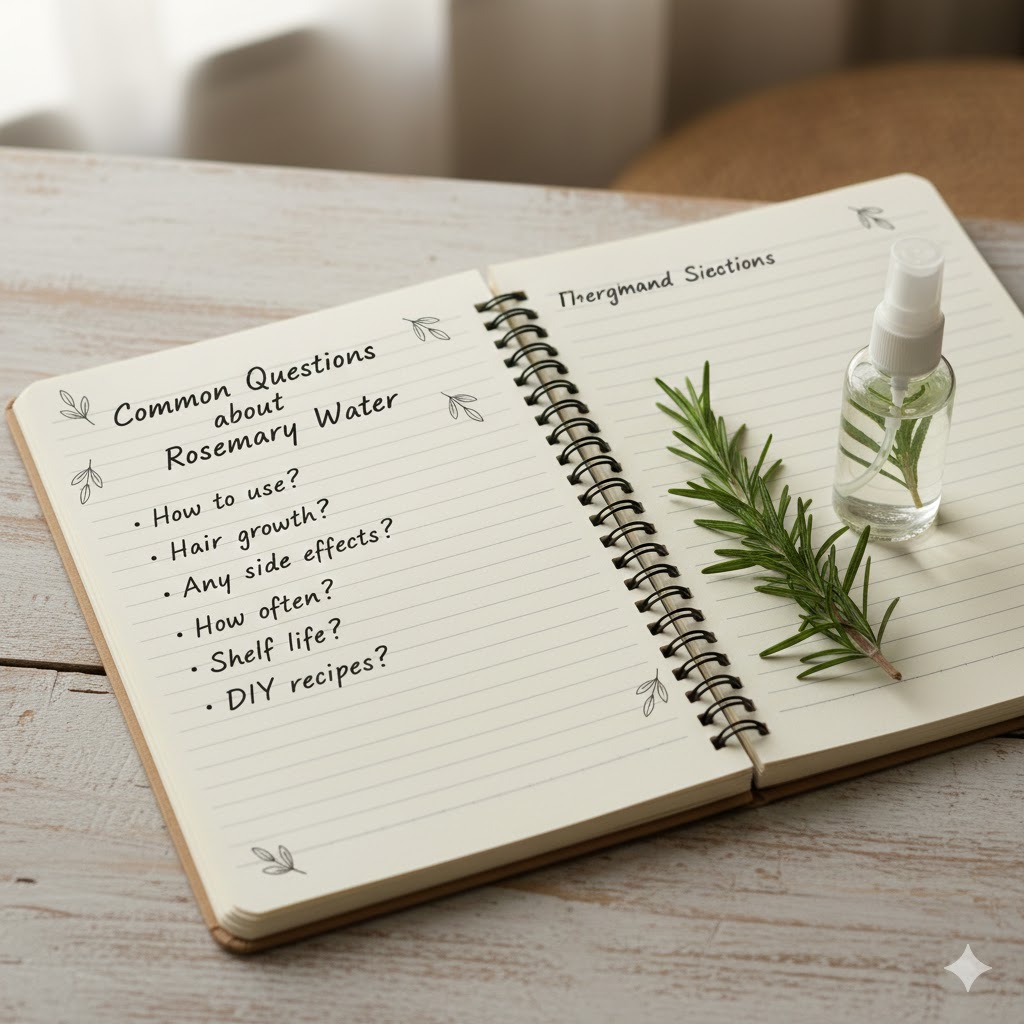
What exactly is rosemary water?
It is a botanical preparation made by infusing rosemary herb in water or through steam distillation during essential oil production (creating a hydrosol). It’s a gentle, water-based extract containing aromatic compounds from rosemary, traditionally used in hair and scalp care routines.
Where can I buy quality rosemary water?
Quality products are available through online retailers like Amazon, iHerb, and brand websites, at natural health food stores such as Whole Foods and Sprouts, and at beauty retailers including Sephora and Ulta. Look for products with clear ingredient lists, appropriate preservation, and quality packaging.
How often should I use rosemary water spray?
Most people find that using it 2-4 times weekly works well. Daily light applications directly to the scalp suit some routines, while others prefer thorough applications 2-3 times per week. Start conservatively and adjust based on your experience—those with oilier scalps may prefer less frequent use.
What can I expect from using rosemary water?
This herbal preparation is best approached as part of a holistic hair care routine rather than expecting dramatic changes. Many users appreciate its refreshing qualities, pleasant herbal scent, and how it makes their scalp feel between washes. Individual experiences vary based on hair type, overall hair care practices, and consistency of use.
Is rosemary water suitable for all hair types?
It generally works well across different hair types and textures, from straight to curly patterns. However, individual responses vary. Always perform a patch test before first use, especially if you have sensitive skin or known plant sensitivities. If you have specific concerns, consulting a professional provides personalized guidance.
How should I store rosemary water?
Store commercial products in a cool, dark location away from direct sunlight and heat sources. Many products benefit from refrigeration after opening, particularly during warm weather. Use opened products within 3-6 months for optimal freshness. Always check the product label for manufacturer-specific storage recommendations.
What’s the difference between rosemary water and rosemary hydrosol?
The term typically refers to simple infusions made by steeping rosemary herb in hot water. Rosemary hydrosol is produced during steam distillation when making essential oil—it’s the water-based byproduct that captures aromatic compounds. Hydrosols are often more concentrated and aromatic than simple infusions, though both offer botanical benefits.
Can I use rosemary water on color-treated hair?
Yes, it is generally suitable for color-treated hair. Its gentle, water-based nature typically doesn’t affect hair color. However, if using formulas containing apple cider vinegar or other acidic ingredients, start with diluted applications and perform a strand test to ensure compatibility with your hair color.
How long does rosemary water last?
Commercial products with proper preservatives typically last 1-2 years unopened and 3-6 months after opening when stored correctly. Watch for signs of change including unusual odors, color changes, visible particles, or separation. Natural products without synthetic preservatives have shorter lifespans—this reflects minimal chemical processing.
Should I rinse rosemary water out after applying?
This depends on your application method and preference. When used as a final rinse after shampooing, many people leave it in without rinsing. For targeted scalp applications or spray treatments, rinsing isn’t necessary—simply massage in and style as usual. The lightweight formula typically doesn’t leave residue.
Conclusion: Is Rosemary Water Right for You?
Rosemary water represents an accessible entry point into botanical hair care, offering a gentle approach rooted in traditional herbal practices. Whether you choose to purchase ready-made formulas or explore making your own, this aromatic preparation can complement your existing routine.
Consider rosemary water if you:
- Prefer natural, plant-based hair care alternatives
- Enjoy herbal aromatics in your beauty routine
- Want lightweight products that don’t weigh hair down
- Appreciate traditional botanical practices
- Seek options that integrate easily into existing routines
The appeal of rosemary water lies in its simplicity and versatility. It integrates seamlessly into diverse hair care approaches, from minimalist routines to comprehensive regimens. Whether you’re drawn to its traditional heritage, aromatic qualities, or gentle botanical nature, rosemary water offers an approachable way to explore plant-based hair care.
Start with modest expectations, remain consistent in your application, and pay attention to how your hair and scalp respond. Natural hair care is inherently personal—what works beautifully for one person may differ for another, and that’s perfectly normal.
Have you tried rosemary water in your hair care routine? Share your experiences, favorite products, or questions in the comments below. Your insights contribute to a community exploring gentler, more natural approaches to hair wellness.
Written by Doo & Rita
Doo and Rita are sisters, herbal wellness enthusiasts, and DIY beauty lovers who explore plant-based ingredients through hands-on experiments. We share tips and recipes we personally test, always with a gentle, nature-first approach.
Disclaimer: The information provided in this article is for educational and lifestyle purposes only and is not intended as medical advice. It does not diagnose, treat, cure, or prevent any disease. Always listen to your body and consult a qualified healthcare professional for personal health concerns.