Chinese Herbal Tea: Explore Types, Benefits & Daily Wellness Rituals
Last Updated: January 2026 |
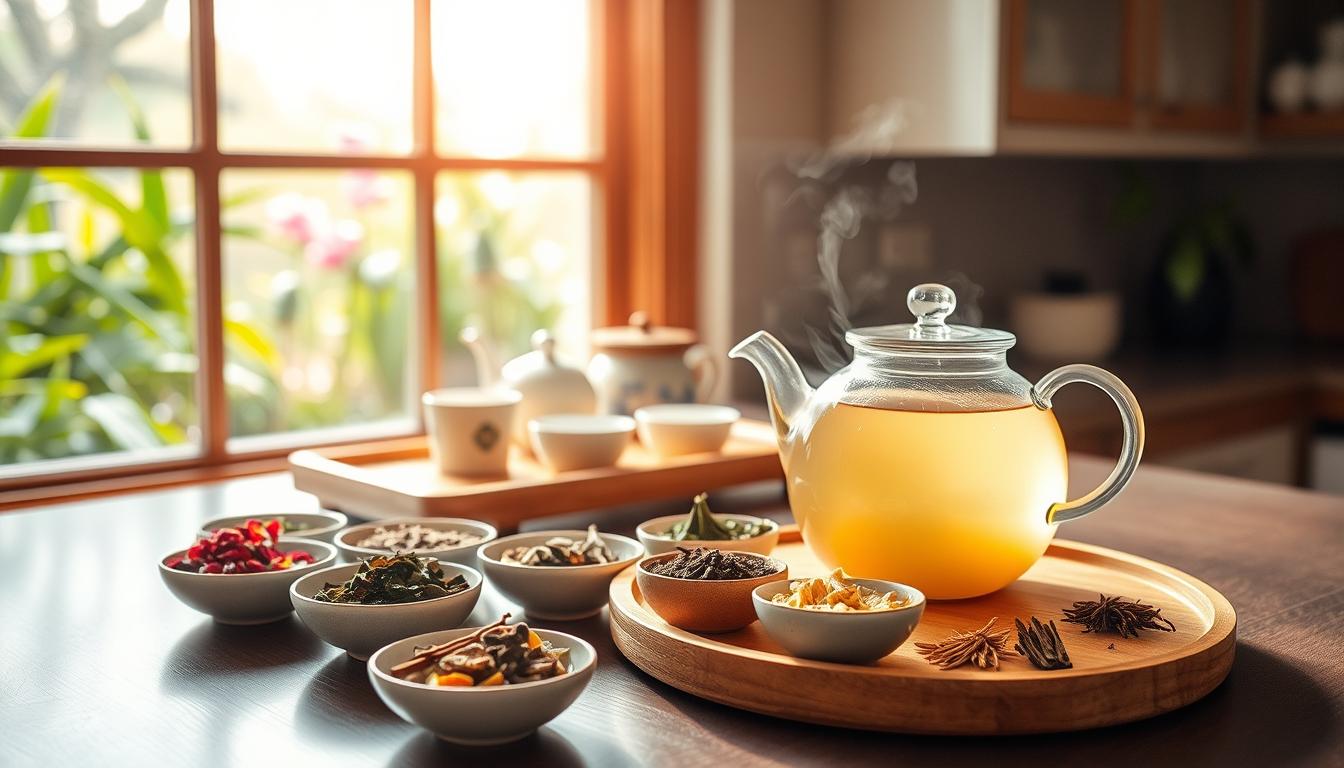
For thousands of years, tea has been an essential part of Chinese culture. Loved for its taste and soothing qualities, herbal tea has been enjoyed from ancient emperors to today’s wellness enthusiasts, supporting balance and relaxation for both body and mind.
In China, Chinese herbal tea holds deep cultural value spanning over 4,000 years. Whether you’re looking to buy Chinese herbal tea for daily energy, digestive comfort, or relaxation, understanding traditional varieties and preparation methods helps you choose the best options for your wellness goals. This comprehensive guide covers everything from ancient tea traditions to modern purchasing considerations, helping both beginners and experienced tea drinkers make informed decisions.
Quick Answer: What You Need to Know About Chinese Herbal Tea
Chinese herbal tea encompasses traditional plant-based infusions valued for over 4,000 years in Chinese wellness practices. The most popular varieties include:
- Ginseng tea – Best for morning energy and mental focus (price range: $15-40 per 100g)
- Chrysanthemum tea – Ideal for cooling refreshment and relaxation ($10-25 per 100g)
- Goji berry tea – Perfect for nourishing vitality and sweet flavor ($12-30 per 100g)
- Pu-erh tea – Excellent for post-meal digestive comfort ($20-100+ per 100g depending on age)
Key brewing parameters: Water temperature varies from 160-212°F depending on tea type, with steeping times of 30 seconds to 10 minutes. Quality matters significantly—look for reputable online specialty tea vendors who provide origin information, harvest dates, and preparation guidance.
Where to buy: Specialized online Chinese tea retailers offer better quality and selection than general marketplaces. Expect to invest $15-50 for quality starter quantities, with premium aged varieties commanding higher prices.
Table of Contents
The Ancient Roots of Chinese Herbal Tea Tradition
The tradition of Chinese herbal tea traces back over 4,000 years to the dawn of Chinese civilization, representing far more than simple refreshment. Understanding this rich history helps modern tea buyers appreciate quality differences and make informed purchasing decisions when selecting authentic Chinese herbal tea products.
Ancient practitioners developed sophisticated methods for selecting, preparing, and combining herbs—knowledge that today’s reputable Chinese herbal tea vendors still honor in their sourcing and product development. When shopping for Chinese herbal tea, products from companies that respect these traditional methods typically deliver superior flavor and quality compared to mass-market alternatives.
Historical Origins in Traditional Chinese Medicine
The earliest documented use of Chinese herbal tea dates back to the Shang Dynasty (1600-1046 BCE), when leaves and herbs were first steeped in hot water for their refreshing taste and soothing qualities. This ancient wisdom forms the foundation of what consumers seek today when buying Chinese herbal tea for wellness purposes.
Over centuries, skilled herbalists refined their knowledge of which plants worked best together, developing complex blending techniques. Modern Chinese herbal tea companies that maintain connections to these traditional formulations often provide product descriptions detailing historical uses alongside contemporary applications—valuable information for informed purchasing decisions. Similar to exploring infusion recipes for holistic support, understanding traditional Chinese tea blending helps you select products aligned with your wellness goals.
Cultural Significance Throughout Chinese Dynasties
Throughout Chinese history, herbal tea evolved from daily beverage into powerful cultural symbol. Each dynasty contributed unique refinements that inform modern Chinese herbal tea quality standards:
| Dynasty | Tea Innovation | Modern Quality Indicator |
|---|---|---|
| Shang Dynasty (1600-1046 BCE) | First documented tea consumption | Products emphasizing traditional sourcing regions |
| Tang Dynasty (618-907 CE) | Formal tea ceremonies established | Premium ceremonial-grade Chinese herbal tea |
| Song Dynasty (960-1279 CE) | Refined brewing techniques developed | Detailed preparation instructions included with products |
| Ming Dynasty (1368-1644 CE) | Loose leaf preparation standardized | Whole leaf, minimally processed products |
When shopping for Chinese herbal tea, look for vendors who reference these historical quality standards. Premium products often include information about traditional growing regions, heritage processing methods, and connections to centuries-old tea-making families—all indicators of authentic, quality Chinese herbal tea worth the investment.
Today’s best Chinese herbal tea brands honor this rich cultural legacy while adapting products for modern lifestyles. Just as natural wellness extends to natural skincare and natural haircare, Chinese herbal tea represents a holistic approach to daily self-care rooted in proven traditional wisdom.
Understanding the Power of Chinese Herbal Tea
Chinese herbal tea embodies a sophisticated philosophy viewing wellness as dynamic balance rather than fixed state. Understanding this framework helps you select the best Chinese tea products for your specific needs—whether energizing morning blends, afternoon refreshers, or calming evening varieties.
Quality Chinese herbal tea vendors typically categorize products according to these traditional principles, making it easier to identify options aligned with your wellness intentions. Similar to exploring saffron tea, moringa tea, or lemon balm tea, Chinese herbal traditions offer diverse options for enhancing daily wellness through mindful beverage choices.
The Philosophy of Balance: Yin and Yang in Herbal Teas
The concept of yin and yang forms the philosophical foundation of Chinese herbal tea selection. This framework recognizes that herbs possess inherent thermal and energetic qualities categorized as cooling (yin) or warming (yang)—information that reputable Chinese herbal tea sellers include in their product descriptions to guide customer selection.
Cooling (Yin) Chinese Herbal Teas – Best for:
- Warm weather refreshment
- After spicy meals
- Evening relaxation
- Balancing warming constitutions
- Popular varieties: Chrysanthemum tea, white tea, green tea
Warming (Yang) Chinese Herbal Teas – Best for:
- Cool weather comfort
- Morning energy support
- Gentle invigoration
- Balancing cooling constitutions
- Popular varieties: Ginseng tea, ginger tea, certain oolongs
When purchasing Chinese herbal tea online, look for vendors who clearly label thermal properties. This categorization helps you build a versatile tea collection addressing different situations—cooling varieties for summer afternoons, warming options for winter mornings, balanced choices for year-round enjoyment.
The Five Elements Theory and Tea Selection
Beyond yin-yang, the Five Elements Theory (Wood, Fire, Earth, Metal, Water) provides another framework for Chinese herbal tea selection. Premium vendors often organize products using this system, creating curated collections that simplify the buying process:
| Element | Season/Time | Best Chinese Herbal Tea Types | Typical Price Range (per 100g) |
|---|---|---|---|
| Wood | Spring/Morning | Green tea, jasmine tea | $12-35 |
| Fire | Summer/Midday | Hawthorn tea, red date tea | $10-28 |
| Earth | Late Summer/Afternoon | Licorice root tea, pu-erh tea | $15-50+ |
| Metal | Autumn/Late Afternoon | White tea, osmanthus tea | $20-60 |
| Water | Winter/Evening | Goji berry tea, dark oolong | $15-40 |
This framework guides smart purchasing decisions. Instead of buying randomly, consider building a Chinese herbal tea collection covering all five elements—ensuring you have appropriate options for different seasons, times of day, and personal needs. Many specialty vendors offer sampler sets organized by element, providing cost-effective ways to explore various categories before committing to larger quantities.
This holistic perspective mirrors the comprehensive approach found in herbal wellness practices, where plant-based support extends across multiple dimensions—from beverages to natural body care products.
The Remarkable Benefits of Chinese Herbal Tea
When shopping for Chinese herbal tea, understanding the traditionally valued benefits of different varieties helps you make informed purchasing decisions aligned with your wellness goals. Each type offers unique properties that support various aspects of daily life—from gentle morning energy to peaceful evening relaxation.
Top Reasons People Buy Chinese Herbal Tea:
- Natural energy support without coffee jitters (ginseng, green tea)
- Digestive comfort after meals (pu-erh, peppermint, licorice root)
- Seasonal wellness support (chrysanthemum, ginger, honeysuckle)
- Mental clarity and focus (ginseng, green tea, oolong)
- Relaxation and stress reduction (chamomile, goji berry, chrysanthemum)
- Rich sources of plant-based beneficial compounds
- Caffeine-free evening beverage options
Supporting Vitality Throughout the Seasons
Many consumers purchase Chinese herbal tea specifically for seasonal wellness support. Green tea varieties, rich in naturally occurring catechins and polyphenols, represent popular year-round choices valued for their refreshing quality and plant-based compounds.
Best Chinese Herbal Tea for Seasonal Support:
- Organic green tea – High in EGCG, typically $15-30 per 100g for quality varieties
- Ginger tea – Warming properties, $8-20 per 100g
- Honeysuckle tea – Traditional seasonal favorite, $12-25 per 100g
- Elder flower blends – Often combined with other herbs, $10-22 per 100g
When buying Chinese herbal tea for seasonal support, prioritize organic certification and recent harvest dates—both indicators of maximum beneficial compound content. For comprehensive immune support, explore complementary options like immune-boosting shot drinks alongside your tea regimen.
Natural Qualities and Vitality Support
Chinese herbal tea varieties are naturally rich in polyphenols and catechins—plant compounds that contribute to distinctive flavors and traditionally valued properties. When comparing products, look for:
- EGCG content disclosure (for green teas) – Premium products often list milligrams per serving
- Whole leaf vs. dust/fannings – Whole leaves retain more beneficial compounds
- Minimal processing – Less oxidation preserves delicate plant compounds
- Organic certification – Ensures no pesticide residues interfering with benefits
- Proper packaging – Light-proof, airtight containers preserve compound integrity
Quality matters significantly. A $25 organic whole-leaf green tea delivers substantially more beneficial compounds than a $5 mass-market option, making premium Chinese herbal tea a worthwhile investment for those prioritizing traditional wellness properties.
Soothing Effects and Seasonal Comfort
Certain Chinese herbal tea varieties are particularly valued during seasonal transitions. Smart purchasing strategies include stocking warming varieties before cold months and cooling options before summer:
Fall/Winter Chinese Herbal Tea Shopping List:
- Ginger tea (bulk purchase saves money: $40-60 per pound)
- Ginseng root slices (invest in quality: $30-80 per 100g)
- Warming oolong varieties ($20-45 per 100g)
Spring/Summer Chinese Herbal Tea Shopping List:
- Chrysanthemum flowers (affordable refreshment: $10-25 per 100g)
- White tea (premium cooling option: $25-70 per 100g)
- Peppermint blends (budget-friendly: $8-18 per 100g)
Digestive Comfort and Gentle Refreshment
Digestive support represents one of the top reasons consumers buy Chinese herbal tea. Post-meal varieties particularly popular include:
Best Chinese Herbal Tea for Digestion (with pricing):
- Pu-erh tea – Traditional post-meal choice, $20-100+ per 100g (aged varieties command premium prices)
- Peppermint tea – Refreshing and affordable, $8-18 per 100g
- Licorice root tea – Naturally sweet, gentle, $10-22 per 100g
- Dandelion tea – Light and crisp, $9-20 per 100g
- Fennel seed tea – Aromatic digestive support, $7-15 per 100g
For regular post-meal use, buying Chinese herbal tea in larger quantities (200-500g) provides better value. Calculate cost per cup: premium $30 per 100g tea yields approximately 50 cups, equaling $0.60 per serving—competitive with commercial digestive supplements while offering richer sensory experience.
Mental Clarity and Relaxation
Mental wellness represents another major category driving Chinese herbal tea purchases. Different varieties suit different needs:
For Focus & Energy – Best Morning Chinese Herbal Tea:
- Asian ginseng (Panax ginseng) – Premium energizing option, $35-80 per 100g
- Organic green tea – Balanced caffeine + L-theanine, $15-35 per 100g
- Yerba maté blends – Sustained energy, $12-25 per 100g
For Relaxation & Calm – Best Evening Chinese Herbal Tea:
- Chamomile flowers – Classic calming tea, $10-20 per 100g
- Goji berry tea – Naturally sweet relaxation, $15-30 per 100g
- Chrysanthemum tea – Gentle cooling calm, $10-25 per 100g
- Lavender blends – Aromatic evening option, $12-28 per 100g
Smart shoppers often purchase both energizing and calming varieties, creating complete Chinese herbal tea collections supporting all-day wellness. Starter sets typically cost $40-80 and include 4-6 complementary varieties—excellent value for exploring different categories. Learn more about flavor profiles like what chamomile tea tastes like before buying to ensure satisfaction.
For expanded wellness beverage options, explore how to make matcha, try basil tea, or prepare saffron tea for complementary flavor experiences and traditionally valued properties.
Key Benefits of Regular Chinese Herbal Tea Consumption:
- Sustainable sense of daily vitality and balance
- Gentle digestive comfort without harsh ingredients
- Meaningful relaxation rituals supporting stress management
- Rich sources of beneficial plant compounds
- Caffeine-free options for evening enjoyment
- Cost-effective wellness support (typically $0.30-1.00 per serving)
- Zero artificial ingredients when buying quality products
Popular Types of Chinese Teas and Benefits: Complete Buying Guide
When shopping for Chinese herbal tea, understanding the most popular varieties, their price points, and quality indicators helps you make confident purchasing decisions. This comprehensive guide covers bestselling types with specific buying recommendations.
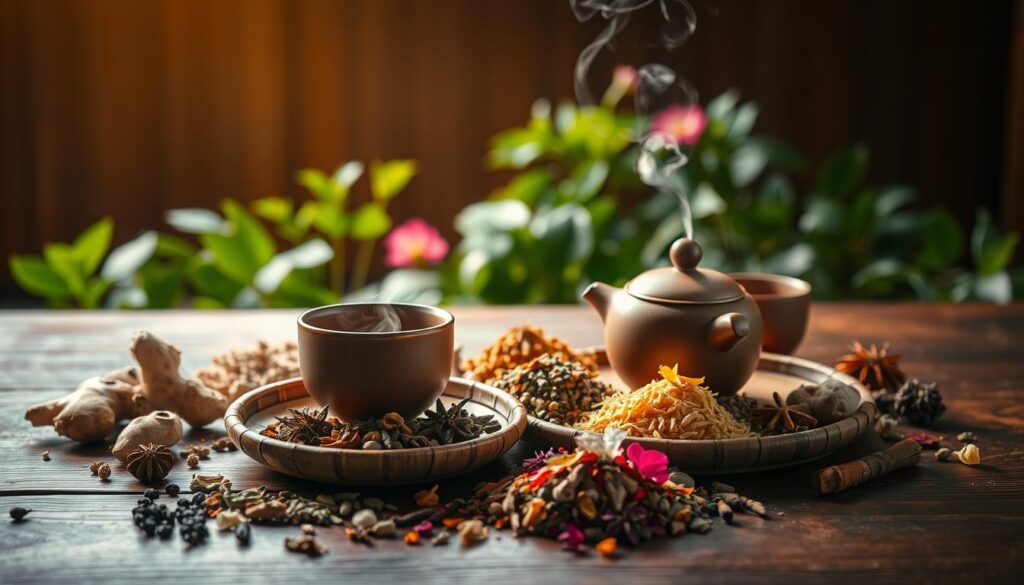
Ginseng Tea: The Energy Booster – Buying Guide
Ginseng tea ranks among the most sought-after Chinese herbal tea varieties for natural energy support. Understanding quality grades and pricing helps you get the best value:
Types of Ginseng Tea Available:
- Asian/Korean Ginseng (Panax ginseng) – Most warming and energizing
- Budget quality: $15-25 per 100g (cultivated, younger roots)
- Mid-range quality: $30-50 per 100g (semi-wild, 4-6 year roots)
- Premium quality: $60-150+ per 100g (wild or long-aged roots)
- American Ginseng (Panax quinquefolius) – Gentler, more cooling
- Good quality: $20-35 per 100g
- Premium quality: $40-80 per 100g
- Instant Ginseng Tea Packets – Convenient but less potent
- Typical price: $8-15 for 20-30 packets
- Best for: Travel, office use, convenience
What to Look for When Buying Ginseng Tea:
- Root age (older = more expensive but more potent)
- Origin clarity (Korean, Chinese, American ginseng differ significantly)
- Whole slices vs. powder (slices indicate quality, allow resteeping)
- Organic certification (ginseng accumulates soil contaminants)
- Vendor reputation and third-party testing results
Best Value Recommendation: Mid-range 4-6 year cultivated Asian ginseng ($30-40 per 100g) offers excellent balance of potency, flavor, and value for daily use. Reserve premium wild ginseng for special occasions.
Chrysanthemum Tea: The Cooling Elixir – Buying Guide
Chrysanthemum tea represents one of the most affordable and accessible Chinese herbal tea varieties, making it ideal for beginners exploring traditional teas.
Chrysanthemum Tea Varieties & Pricing:
- Yellow Chrysanthemum (Hang Ju) – Most common, mildest flavor
- Budget: $8-12 per 100g
- Premium: $15-22 per 100g
- White Chrysanthemum (Bai Ju) – Slightly sweeter
- Typical price: $12-20 per 100g
- Wild Chrysanthemum (Ye Ju) – Stronger, more bitter
- Typical price: $10-18 per 100g
- Gongju (Tribute Chrysanthemum) – Premium variety, larger flowers
- Premium price: $20-35 per 100g
Buying Tips for Chrysanthemum Tea:
- Look for whole, intact flowers (not crushed petals)
- Bright, natural color (avoid artificially whitened flowers)
- Strong floral aroma when opening package
- Bulk bags offer better value than individual sachets
- Organic certification recommended (flowers absorb pesticides)
Best Value Recommendation: Organic yellow chrysanthemum in 200-500g bulk bags ($10-15 per 100g) provides excellent everyday refreshment at under $0.25 per cup.
Goji Berry Tea: The Nourishing Brew – Buying Guide
Goji berry tea combines pleasant naturally sweet flavor with impressive nutritional density, making it popular for both taste and traditional wellness applications.
Goji Berry Quality Grades & Pricing:
- Standard Grade – Smaller berries, mixed sizes
- Price: $12-18 per 100g
- Best for: Regular daily use, budget-conscious buyers
- Premium Grade – Larger, uniform berries
- Price: $20-30 per 100g
- Best for: Gift giving, special occasions
- Ningxia Origin – Most prized source region in China
- Price: $25-40 per 100g
- Benefits: Highest nutritional density, superior flavor
- Tibetan/Wild Goji – Rare, wild-harvested
- Price: $35-60 per 100g
- Benefits: Maximum potency, unique flavor profile
What to Check When Buying Goji Berry Tea:
- Berry size and color (large, vibrant red-orange indicates freshness)
- Moisture content (slightly soft but not wet or sticky)
- Origin specification (Ningxia berries command premium for good reason)
- Sulfite-free processing (some cheaper gojis use sulfites as preservatives)
- Resealable packaging (maintains freshness for months)
Best Value Recommendation: Organic Ningxia goji berries ($25-30 per 100g) offer optimal nutrition-to-price ratio. The berries rehydrate during steeping and can be eaten, effectively providing both beverage and nutritious snack.
Pu-erh Tea: The Comforting Brew – Buying Guide
Pu-erh tea represents one of the most complex Chinese herbal tea categories, with pricing ranging from affordable daily options to rare aged varieties worth thousands. Understanding the market helps avoid overpaying while ensuring quality.
Pu-erh Tea Categories & Pricing:
Raw Pu-erh (Sheng):
- Young (1-3 years): $15-30 per 100g – Bright, slightly astringent
- Medium-aged (5-10 years): $30-60 per 100g – Mellowing, developing complexity
- Well-aged (15+ years): $80-200+ per 100g – Smooth, deep, highly prized
- Vintage (25+ years): $200-1000+ per 100g – Collector items, exceptional smoothness
Ripe Pu-erh (Shou):
- Standard quality: $12-20 per 100g – Daily drinking grade
- Good quality: $22-35 per 100g – Clean processing, good flavor
- Premium quality: $40-70 per 100g – Exceptional smoothness, complex notes
- Aged ripe: $50-120+ per 100g – Further mellowing from post-fermentation aging
Pu-erh Formats Available:
- Compressed cakes (357g standard) – Traditional, ages well, $45-150+ per cake
- Loose leaf – Convenient brewing, $15-50 per 100g
- Mini tuos (small compressed portions) – Single servings, $0.50-2 each
- Brick form – Traditional pressing, varies widely in price
Smart Pu-erh Buying Strategies:
- Start with quality ripe pu-erh ($25-35 per 100g) – immediately smooth and approachable
- For raw pu-erh, young versions offer best value if drinking soon
- Buy compressed cakes if planning to age – they develop better than loose leaf
- Sample before bulk buying – pu-erh flavor varies dramatically between sources
- Verify storage conditions – improperly stored pu-erh develops musty off-flavors
- Check for reputable factory names (Menghai, Xiaguan, etc.)
Best Value Recommendation: Quality ripe pu-erh loose leaf ($25-30 per 100g) provides excellent post-meal digestive support at reasonable cost. Each portion resteeps 5-8 times, yielding exceptional value per cup.
| Chinese Herbal Tea Type | Budget Option | Best Value Mid-Range | Premium Splurge | Primary Traditional Use |
|---|---|---|---|---|
| Ginseng Tea | $15-25 per 100g | $30-40 per 100g ⭐ | $60-150 per 100g | Morning energy, mental focus |
| Chrysanthemum Tea | $8-12 per 100g ⭐ | $15-22 per 100g | $25-35 per 100g | Cooling refreshment, relaxation |
| Goji Berry Tea | $12-18 per 100g | $25-30 per 100g ⭐ | $40-60 per 100g | Nourishing vitality, sweet flavor |
| Pu-erh Tea (Ripe) | $12-20 per 100g | $25-35 per 100g ⭐ | $50-120+ per 100g | Post-meal digestive comfort |
| Green Tea | $10-15 per 100g | $20-30 per 100g ⭐ | $40-80 per 100g | Daily vitality, gentle energy |
⭐ = Recommended best value tier for most consumers
How to Properly Prepare Authentic Chinese Herbal Tea
Proper preparation dramatically impacts Chinese herbal tea flavor, aroma, and effectiveness. Understanding brewing parameters helps you maximize value from quality tea purchases—premium products prepared incorrectly waste money, while budget teas brewed expertly can exceed expectations.
Essential Equipment and Ingredients: What to Buy
Investing in proper teaware enhances your Chinese herbal tea experience. Here’s what to consider purchasing:
Traditional Teaware That Enhances Flavor – Buying Recommendations
Starter Setup ($40-80):
- Glass or ceramic gaiwan – $15-30 (versatile, beginner-friendly)
- Temperature-controlled electric kettle – $25-50 (essential for proper brewing)
- Small strainer – $5-10 (prevents leaf sediment)
- Basic storage tins – $10-20 for set of 3-4
Intermediate Setup ($100-200):
- Yixing clay teapot (120-150ml) – $40-80 (dedicate to one tea type)
- Quality gaiwan – $20-40
- Precision kettle – $50-80
- Tea serving pitcher – $15-25
- Premium storage containers – $20-40
Advanced Setup ($250-500+):
- Multiple Yixing pots – $50-150 each (one per tea category)
- Premium gaiwan set – $40-100
- Professional kettle – $100-200
- Complete tea tray setup – $50-150
- Specialized storage system – $50-100
Money-Saving Tips:
- Start with basic gaiwan—it works for all Chinese herbal tea types
- Temperature-controlled kettle is worth the investment—it’s crucial for quality results
- Buy Yixing pots one at a time as you discover favorite teas
- Quality teaware lasts decades—it’s a one-time investment
Sourcing High-Quality Herbs and Leaves – Where and What to Buy
Quality Indicators Worth Paying For:
- Organic certification – Adds $5-10 per 100g but eliminates pesticide concerns
- Origin specificity – “Hangzhou green tea” vs. vague “Chinese green tea”
- Harvest date – Recent harvest justifies higher prices for non-aged teas
- Whole leaves/herbs – Usually 30-50% more expensive than dust/fannings but worth it
- Third-party testing – Premium vendors provide lab results confirming purity
Storage Supplies to Purchase:
- Airtight tins or bags – $2-10 each depending on size and quality
- Humidity packs for long-term storage – $10-15 for reusable set
- Labels for organizing collection – $5-10 for set
Step-by-Step Brewing Techniques – Maximize Your Investment
Proper technique ensures you extract maximum value from quality Chinese herbal tea purchases. Follow these guidelines to get the most flavor, aroma, and beneficial properties from every gram:
Universal Brewing Steps:
- Warm teaware – Pour hot water through pot/gaiwan, discard (prevents temperature shock)
- Measure tea – Use 2-3g per 100ml water (digital scale ensures consistency: $10-20 investment)
- Heat water to proper temperature – Varies by tea type (see chart below)
- Optional rinse – 5-10 second rinse for aged/compressed teas
- First steeping – Follow variety-specific timing
- Decant completely – Don’t leave leaves in water between steepings
- Re-steep multiple times – Quality Chinese herbal tea yields 3-8+ infusions
Temperature & Timing Chart for Chinese Herbal Tea:
| Tea Type | Water Temp | First Steep | Subsequent Steeps | Total Infusions |
|---|---|---|---|---|
| Green Tea | 160-175°F (70-80°C) | 30-60 sec | +10-15 sec each | 3-4 |
| White Tea | 175-185°F (80-85°C) | 1-2 min | +20-30 sec each | 4-5 |
| Oolong Tea | 185-200°F (85-95°C) | 45-90 sec | +15-20 sec each | 5-8 |
| Pu-erh (Raw) | 200-212°F (95-100°C) | 10-20 sec | +5-10 sec each | 8-12 |
| Pu-erh (Ripe) | 200-212°F (95-100°C) | 10-15 sec | +5 sec each | 6-10 |
| Ginseng Slices | 200-212°F (95-100°C) | 5-7 min | +1-2 min each | 3-5 |
| Chrysanthemum | 195-205°F (90-95°C) | 3-5 min | +1 min each | 2-3 |
| Goji Berries | 195-205°F (90-95°C) | 5-8 min | +2 min each | 2-3 |
Value-Maximizing Tips:
- Quality Chinese herbal tea resteeps better—cheap tea often yields only 1-2 good cups, while premium tea delivers 5-10, justifying higher upfront cost
- Use shorter initial steepings for expensive teas—extracts flavor gradually across more infusions
- Save used leaves for same-day re-brewing—most maintain flavor for 6-8 hours
- Combine varieties strategically—goji berries + chrysanthemum creates balanced blend using less of each
Optimal Consumption Practices – When to Drink What
Daily Chinese Herbal Tea Schedule for Maximum Benefit:
Morning (6-10 AM):
- Ginseng tea or green tea – 1-2 cups for gentle energy support
- Drink 30-60 minutes after light breakfast
- Estimated cost: $0.60-1.50 per morning session
Midday (11 AM-2 PM):
- Light oolong or white tea – maintains alertness without overstimulation
- Between meals for best absorption
- Estimated cost: $0.50-1.20 per session
Afternoon (3-5 PM):
- Chrysanthemum tea or light green tea – refreshing pick-me-up
- Perfect work break ritual
- Estimated cost: $0.30-0.80 per session
Evening (6-9 PM):
- Pu-erh (after dinner), goji berry, or chamomile – no caffeine concerns
- Support digestion and relaxation
- Estimated cost: $0.40-1.00 per session
Total Daily Investment: $1.80-4.50 for complete Chinese herbal tea routine—significantly less than daily coffee shop visits while offering greater variety and traditionally valued wellness properties.
Incorporating Chinese Herbal Tea into Your Daily Wellness Routine
Building a sustainable Chinese herbal tea practice requires strategic purchasing and routine development. Here’s how to integrate tea into daily life cost-effectively:
Morning Rituals for Energy and Focus – Product Recommendations
Morning Chinese Herbal Tea Starter Kit ($50-80):
- Mid-grade Asian ginseng (50g) – $15-20
- Organic green tea (100g) – $20-30
- Temperature-controlled kettle – $25-40 (if not already owned)
This starter investment provides 30-40 morning tea sessions, equaling $1.25-2.00 per morning—comparable to budget coffee but offering sustained energy without jitters. Pair your morning Chinese herbal tea practice with complementary herbal wellness routines for comprehensive support.
Afternoon Teas for Balance and Productivity – Shopping List
Afternoon Chinese Herbal Tea Collection ($40-60):
- Chrysanthemum flowers (100g) – $12-20
- Light oolong tea (100g) – $20-30
- Optional: Jasmine pearls (50g) – $15-25
This collection supports 50-70 afternoon breaks at approximately $0.60-1.20 per session—far less expensive than afternoon coffee or energy drinks while providing genuine refreshment and focus support.
Evening Blends for Relaxation and Rejuvenation – Best Buys
Evening Chinese Herbal Tea Setup ($45-70):
- Quality ripe pu-erh (100g) – $25-35
- Goji berries (100g) – $15-25
- Chamomile flowers (50g) – $8-12
This evening collection provides 40-60 relaxing sessions, costing $0.75-1.75 per evening—reasonable investment in better sleep and digestive comfort compared to over-the-counter sleep aids or digestive supplements.
| Time of Day | Recommended Purchase | Quantity Needed Monthly | Approximate Monthly Cost | Cost Per Session |
|---|---|---|---|---|
| Morning | Ginseng + Green Tea | 50g ginseng + 100g green tea | $35-50 | $1.20-1.70 |
| Afternoon | Chrysanthemum + Oolong | 100g each | $32-50 | $1.05-1.65 |
| Evening | Pu-erh + Goji + Chamomile | 100g pu-erh, 100g goji, 50g chamomile | $48-72 | $1.60-2.40 |
| Total Monthly Investment | Complete daily routine | – | $115-172 | $3.85-5.75/day |
Money-Saving Strategies:
- Buy in bulk (200-500g) for 15-25% savings on frequently used varieties
- Resteep leaves multiple times—reduces per-cup cost by 60-75%
- Start with 2-3 core varieties rather than buying everything at once
- Watch for seasonal sales (Chinese New Year, harvest season promotions)
- Subscribe to vendor newsletters for exclusive discount codes
Modern Perspectives on Chinese Herbal Tea
Contemporary research increasingly examines Chinese herbal tea compounds and mechanisms, providing scientific context that helps consumers make informed purchasing decisions based on both traditional wisdom and emerging evidence.
Recent Research – What Science Says About Your Purchase
Understanding research findings helps justify investing in quality Chinese herbal tea:
Green Tea Research Highlights:
- Studies show quality green teas contain 50-100mg EGCG per cup
- Budget green teas often contain only 10-30mg EGCG—explaining price differences
- Organic certification correlates with higher beneficial compound retention
- Buying implication: Premium organic green tea ($25-35 per 100g) delivers 3-5x more studied compounds than budget alternatives
Ginseng Research Highlights:
- Ginsenoside content increases with root age—supporting premium pricing for older roots
- Wild and semi-wild ginseng show higher compound concentrations than young cultivated varieties
- Buying implication: Mid-range 4-6 year ginseng ($30-40 per 100g) offers significant compound advantage over budget 2-3 year roots
Pu-erh Tea Research Highlights:
- Fermentation creates unique compounds not present in other tea types
- Proper aging develops beneficial microbial profiles—explaining aged pu-erh premiums
- Buying implication: Quality matters more than age for ripe pu-erh—well-made recent production ($25-35 per 100g) outperforms poorly-stored aged varieties
Western Interest in Eastern Traditions – Market Trends
Growing Western interest in Chinese herbal tea creates expanding market opportunities and considerations for consumers:
Market Trends Affecting Purchasing:
- Increasing demand – Premium Chinese herbal tea prices rising 10-15% annually
- Quality improvement – Western market demand encourages better processing standards
- Product innovation – New convenient formats (sachets, blends) at various price points
- Certification expansion – More organic/fair trade options available
- Direct sourcing – Some vendors now source directly from producers, improving quality and value
Smart Consumer Strategies:
- Build core collection now before further price increases
- Seek vendors with direct producer relationships—often better quality at similar/lower prices
- Consider subscription services offering 10-20% discounts for regular deliveries
- Join tea communities for group buys and insider vendor recommendations
| Chinese Herbal Tea Type | Key Research Findings | Quality Worth Paying For | Budget Alternative |
|---|---|---|---|
| Green Tea | High EGCG content in premium grades | Organic, whole leaf ($25-35/100g) | Standard grade, still beneficial ($12-18/100g) |
| Ginseng | Ginsenosides increase with age | 4-6 year cultivated roots ($30-40/100g) | 2-3 year roots ($15-22/100g) |
| Pu-erh | Unique fermentation compounds | Quality production matters most ($25-35/100g) | Standard ripe pu-erh ($12-18/100g) |
| Goji Berries | High antioxidant density | Ningxia origin ($25-30/100g) | Standard grade ($12-18/100g) |
Where to Find the Best Chinese Tea for Your Wellness Journey
Sourcing authentic, quality Chinese herbal tea significantly impacts your experience and value. This section provides specific buying guidance to ensure your investment delivers maximum satisfaction.
Trusted Online Sources for Authentic Products – Where to Shop
Types of Online Chinese Herbal Tea Vendors:
1. Specialty Chinese Tea Retailers (Best for Quality & Selection)
- Advantages: Expert curation, detailed product information, customer education, responsive service
- Price range: Mid to premium ($20-80 per 100g typical)
- Best for: Serious tea enthusiasts, those prioritizing quality
- What to look for: Detailed sourcing info, brewing guidance, educational content, responsive customer service
2. Direct-from-Producer Vendors (Best for Value)
- Advantages: Lower prices, freshest product, direct quality control
- Price range: Budget to mid ($12-40 per 100g typical)
- Best for: Budget-conscious buyers, bulk purchasers
- Challenges: May require larger minimum orders, longer shipping times
3. General Marketplaces (Most Convenient but Variable Quality)
- Advantages: Convenient, fast shipping, wide price range
- Price range: Budget to premium ($8-100+ per 100g)
- Best for: Beginners, those wanting quick delivery
- Caution: Quality varies dramatically—read reviews carefully, check seller ratings
4. Subscription Tea Services (Best for Discovery)
- Advantages: Curated discovery, convenient delivery, often includes education
- Price range: $20-50 monthly for assorted samples
- Best for: Exploring varieties before committing to larger purchases
- Value consideration: Cost-per-gram higher than bulk buying, but reduces buying mistakes
Red Flags When Buying Chinese Herbal Tea Online:
- No origin information provided
- Stock photos instead of actual product images
- Prices dramatically below market average (likely old, low-grade, or adulterated)
- Exaggerated health claims
- No brewing guidelines or product details
- Poor/no customer service response
- Seller has numerous negative reviews mentioning quality issues
Green Flags Indicating Quality Vendors:
- Specific origin information (region, estate, producer name)
- Harvest dates or production years listed
- Detailed brewing parameters provided
- Professional product photography showing actual items
- Educational content about tea types and preparation
- Responsive customer service (answers questions thoroughly)
- Third-party testing results or certifications available
- Consistent positive reviews mentioning quality and freshness
- Reasonable pricing aligned with market standards
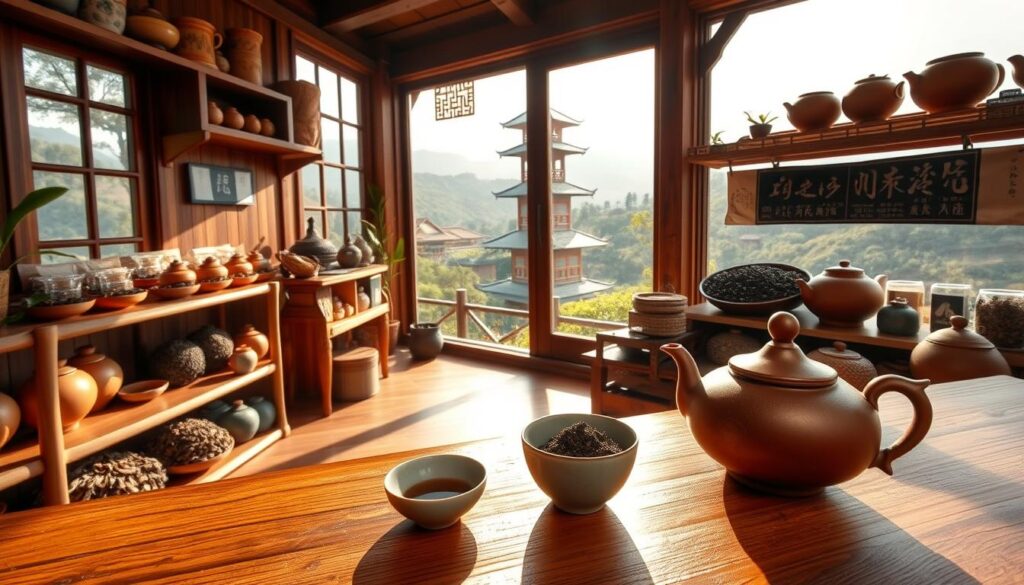
How to Identify Quality Chinese Herbal Teas – Pre-Purchase Checklist
Use this checklist when evaluating Chinese herbal tea products before purchasing:
Visual Quality Indicators (from product photos):
- ✓ Whole, intact leaves/flowers/roots (not excessive dust or breakage)
- ✓ Appropriate, vibrant colors for tea type
- ✓ Uniform sizing (indicates careful sorting)
- ✓ Clean appearance (no stems, twigs, foreign matter visible)
- ✓ Professional photography showing actual product details
Product Description Quality Indicators:
- ✓ Specific origin location named
- ✓ Harvest season/year provided
- ✓ Processing method explained
- ✓ Flavor profile described in detail
- ✓ Brewing parameters specified (temp, time, quantity)
- ✓ Expected number of infusions mentioned
- ✓ Storage recommendations included
Vendor Credibility Indicators:
- ✓ Established business with years of operation
- ✓ Physical address and contact information provided
- ✓ Active social media presence with customer engagement
- ✓ Educational blog or resource section
- ✓ Clear return/satisfaction policy
- ✓ Responsive to pre-purchase questions
Price Reasonableness Check:
Compare prices across 3-4 reputable vendors for the same tea type. Quality Chinese herbal tea prices cluster within ranges:
- If dramatically lower than average → question quality/authenticity
- If within normal range → likely fair pricing
- If higher than average → justify premium through unique qualities (rare origin, exceptional processing, etc.)
Smart First Purchase Strategy:
- Order samples/small quantities (25-50g) from 2-3 vendors
- Compare quality, freshness, flavor, resteeping ability
- Note which vendor provided best overall value
- Place larger orders with preferred vendor
- Build relationship—many vendors offer loyalty discounts to repeat customers
Sample Order Budget ($40-60):
- 25-50g each of 3-4 different Chinese herbal tea varieties
- Tests quality across multiple tea types
- Minimal risk if vendor disappoints
- Provides comparison data for future purchases
- Most vendors offer sample sizes at proportional pricing
Certifications Worth Seeking:
- Organic (USDA, EU, etc.) – Confirms no synthetic pesticides/fertilizers
- Fair Trade – Ensures ethical producer compensation
- Third-Party Lab Testing – Verifies purity, no contaminants
- GMP (Good Manufacturing Practices) – Indicates quality processing standards
Note: Certifications add cost ($5-15 per 100g premium typical) but provide valuable quality assurance, particularly for herbs where contamination concerns exist.
When to Splurge vs. Save on Chinese Herbal Tea:
Worth Splurging (Premium Tier):
- Your daily go-to tea (quality compounds matter for regular consumption)
- Ginseng (age/quality directly affects properties)
- Green/white teas (delicate flavors degraded in budget processing)
- Special occasion teas (create memorable experiences)
Fine to Save (Budget/Mid-Tier):
- Occasional variety teas (infrequent consumption)
- Chrysanthemum (budget options still deliver good flavor)
- Blending ingredients (combined with other herbs, individual quality less critical)
- Experimental purchases (testing new varieties before committing)
Conclusion: Embrace the Power of Chinese Herbal Tea – Your Next Steps
Chinese herbal tea offers accessible, time-tested approaches to daily wellness combining ancient wisdom with contemporary convenience. Whether seeking natural energy support, digestive comfort, or peaceful relaxation, the diverse world of Chinese herbal tea provides options suited to every need and budget.
Your Chinese Herbal Tea Starter Plan:
Week 1-2: Foundation Purchase ($60-100)
- Basic gaiwan or infuser ($15-30)
- Temperature-controlled kettle ($25-40)
- One energizing variety (ginseng or green tea, 50-100g) ($15-30)
- One relaxing variety (chrysanthemum or chamomile, 50-100g) ($10-20)
Week 3-4: Expand Collection ($40-70)
- Add digestive support tea (pu-erh, 100g) ($25-35)
- Add nourishing variety (goji berry, 100g) ($15-25)
- Storage containers ($10-15)
Month 2+: Refine Based on Preferences ($50-100/month)
- Repurchase favorites in larger quantities for better value
- Experiment with new varieties (budget 20-30% for exploration)
- Upgrade teaware as interest develops
- Consider subscription service for ongoing discovery
Expected Investment Summary:
- Initial setup: $100-170 (equipment + starter teas)
- Monthly ongoing: $50-120 (depending on consumption frequency and quality preferences)
- Per-cup cost: $0.30-1.50 (significantly less than coffee shop visits)
- Annual investment: $700-1,600 for comprehensive daily practice
This investment delivers not just beverages, but meaningful daily rituals supporting energy, focus, digestion, and relaxation—comprehensive wellness support at fraction of supplement or medication costs.
The journey into Chinese herbal tea rewards both immediate sensory pleasure and long-term wellness support. Begin today with quality products suited to your needs, establish consistent rituals, and discover how these ancient beverages enhance modern life. Explore complementary approaches through herbal infusion recipes, moringa tea recipes, basil tea preparations, or lemon balm tea brewing for expanded wellness beverage options.
Ready to Start Your Chinese Herbal Tea Journey?
- Identify your primary wellness goal (energy, relaxation, digestion, etc.)
- Select 1-2 varieties aligned with that goal from recommendations above
- Choose reputable vendor using quality indicators provided
- Start with sample sizes to test quality before bulk purchasing
- Invest in basic quality teaware for optimal preparation
- Establish consistent daily ritual at appropriate times
- Track your experience and adjust selections as preferences develop
The best Chinese tea for you combines quality ingredients, appropriate properties for your needs, flavor you genuinely enjoy, and value matching your budget. Start exploring today—thousands of years of wisdom await in every mindfully prepared cup.
Last updated: January 25, 2026
Frequently Asked Questions About Buying Chinese Herbal Tea
What is Chinese herbal tea and why should I buy it?
Chinese herbal tea encompasses traditional plant-based infusions valued for over 4,000 years in Chinese wellness practices. People buy Chinese herbal tea for natural energy support, digestive comfort, relaxation, and daily vitality. Popular varieties include ginseng tea ($15-80 per 100g), chrysanthemum tea ($10-25 per 100g), goji berry tea ($12-40 per 100g), and pu-erh tea ($12-100+ per 100g).
How much should I expect to pay for quality Chinese herbal tea?
Quality Chinese herbal tea typically costs $15-50 per 100g for most varieties, with premium aged or rare teas commanding $60-150+. Budget options ($8-15 per 100g) exist but often deliver fewer beneficial compounds and less flavor complexity. Mid-range products ($20-35 per 100g) generallyContinuer27 janv.offer the best value—sufficient quality for daily use without premium pricing.
Where should I buy Chinese herbal tea online?
Purchase from specialty Chinese tea retailers for best quality and selection, direct-from-producer vendors for value, or reputable general marketplaces for convenience. Look for vendors providing detailed origin information, harvest dates, brewing guidance, third-party testing results, and responsive customer service. Avoid sellers with vague product descriptions, extremely low prices, or poor reviews.
What’s the best Chinese tea for beginners to buy first?
Start with chrysanthemum tea ($10-20 per 100g)—affordable, gentle flavor, easy preparation—or mid-grade green tea ($20-30 per 100g) for daily vitality support. These accessible varieties help you develop preparation skills and palate before investing in premium options like aged pu-erh or wild ginseng.
How can I tell if Chinese herbal tea is good quality before buying?
Quality indicators include: specific origin information, recent harvest dates, whole intact leaves/herbs (not dust), organic certification, appropriate vibrant colors, detailed brewing parameters, fair pricing within market ranges, positive customer reviews mentioning freshness and flavor, and responsive vendor customer service. Avoid products with vague descriptions, stock photos, or dramatically below-market pricing.
What equipment do I need to buy to prepare Chinese herbal tea properly?
Essential starter equipment ($40-80): temperature-controlled electric kettle ($25-50), basic gaiwan or quality infuser ($15-30), and airtight storage containers ($10-20). This investment enables proper preparation of all Chinese herbal tea varieties. Advanced practitioners add Yixing clay teapots ($40-150 each) dedicated to specific tea types.
Which Chinese herbal tea should I buy for energy?
Buy ginseng tea ($30-40 per 100g for quality 4-6 year roots) or organic green tea ($20-30 per 100g) for natural energy support. Ginseng provides warming, sustained energy while green tea offers balanced caffeine plus L-theanine for calm alertness. Both work excellently as morning beverages supporting focus without jitters.
What’s the best Chinese tea to buy for digestion?
Purchase pu-erh tea ($25-35 per 100g for quality ripe varieties) for traditional post-meal digestive support. Peppermint tea ($8-18 per 100g) and licorice root tea ($10-22 per 100g) also support gentle digestion at budget-friendly prices. Pu-erh resteeps 6-10 times, providing excellent per-cup value.
Should I buy organic Chinese herbal tea?
Organic certification is particularly worthwhile for varieties where contamination concerns exist—ginseng (accumulates soil contaminants), chrysanthemum (flowers absorb pesticides), and daily-use teas like green tea. Organic adds $5-15 per 100g but ensures purity. For occasional-use teas, conventional quality-grade products from reputable vendors typically suffice.
How much Chinese herbal tea should I buy at once?
Buy 100-200g of daily varieties for month-long supply—ensures freshness while allowing flexibility. Purchase 50-100g of experimental varieties to test before committing. Bulk quantities (500g+) save 15-25% but only worthwhile for confirmed favorites. Most Chinese herbal tea maintains quality 6-18 months when properly stored.
Are expensive Chinese herbal teas worth the money?
Premium teas often justify costs through superior flavor, higher beneficial compound content, and better resteeping ability. A $40 per 100g tea yielding 8 quality infusions per serving provides better value than $15 tea producing only 2 weak cups. However, ultra-premium offerings ($100+) suit enthusiasts more than general wellness users—mid-range ($20-40) delivers best value-to-quality ratio for most people.
Can I buy Chinese herbal tea in regular grocery stores?
Some grocery stores carry basic Chinese herbal tea varieties, but selection and quality typically can’t match specialty vendors. Grocery options work for convenient entry-level purchases, but serious tea drinkers quickly graduate to specialty retailers offering superior freshness, variety, and expertise. Online specialty vendors provide best combination of quality, selection, and competitive pricing.
Written by Doo & Rita
Doo and Rita are sisters, herbal wellness enthusiasts, and DIY beauty lovers who explore plant-based ingredients through hands-on experiments. We share tips and recipes we personally test, always with a gentle, nature-first approach.
Disclaimer: All content is for educational purposes only. We are not medical professionals. Always patch test new ingredients. Contact: [email protected]
One Comment
Comments are closed.